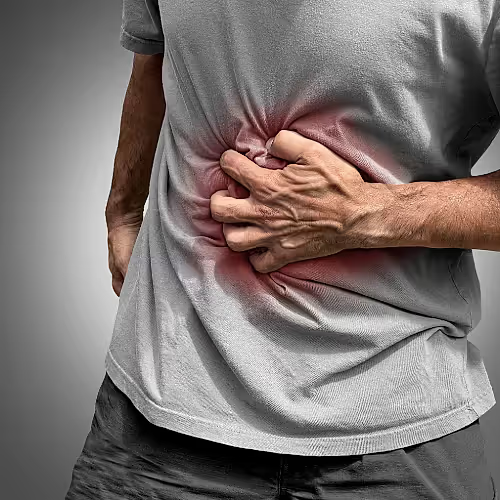

Are flare-ups disrupting your life?
When symptoms suddenly worsen, it can be hard to keep up with daily routines. Flare-ups often bring discomfort, fatigue, and uncertainty. Managing these episodes requires ongoing attention and practical support.
Feel Stronger Between Flare-Ups
Support for daily resilience.
Managing Crohn’s Disease means addressing both daily symptoms and long-term wellness. The DRIPBaR offers IV therapies designed to help replenish nutrients, support hydration, and promote immune balance. These services can provide targeted support for energy, tissue repair, and recovery after flare-ups. Our approach aims to help you feel more resilient and maintain your quality of life.
At The DRIPBaR Edwardsville Glen Carbon, you can access IV therapies that complement your ongoing care plan. Our team works with you to identify supportive options for your needs and lifestyle. We focus on safe, supervised delivery of nutrients and hydration. Book your appointment today to take a step toward feeling your best.
Did you know?
Crohn’s Disease can affect any part of the digestive tract and often leads to nutrient deficiencies.
Understanding Crohn's Disease
Crohn’s Disease is a chronic inflammatory bowel condition that causes persistent inflammation in the digestive tract. This inflammation can affect any area from the mouth to the anus, but most commonly involves the end of the small intestine and the beginning of the colon. The disease often leads to symptoms such as abdominal pain, diarrhea, fatigue, and weight loss. Over time, inflammation may cause complications like strictures, fistulas, or abscesses.
Triggers for Crohn’s Disease can include genetic factors, immune system overactivity, environmental exposures, and changes in gut bacteria. Managing the condition typically involves a combination of medication, dietary adjustments, and sometimes surgery. Flare-ups can be unpredictable, so ongoing monitoring and individualized care are important. Supportive therapies may help address nutrient deficiencies and promote recovery.
Common Symptoms of Crohn's Disease
Symptoms of Crohn’s Disease can vary widely and often change over time. Many people experience abdominal pain, cramping, and frequent diarrhea during active phases. Fatigue and unintended weight loss are also common, especially when inflammation is ongoing. Some individuals may notice blood in the stool or persistent urgency to use the bathroom.
Outside of flare-ups, symptoms may lessen but rarely disappear entirely. Chronic inflammation can lead to periods of low energy and difficulty absorbing nutrients. Over time, people may develop anemia or deficiencies in vitamins and minerals. These issues can contribute to ongoing tiredness and reduced ability to recover from illness or stress.
Complications such as strictures, fistulas, or abscesses can develop in some cases, requiring additional medical attention. Joint pain, skin problems, and eye inflammation are less common but possible. The unpredictable nature of symptoms can make daily planning challenging. Early recognition and management of new symptoms are important for long-term health.
Traditional Treatments
Conventional care for Crohn's Disease focuses on reducing inflammation, managing symptoms, and avoiding complications. Medications such as corticosteroids, immunosuppressants, and biologics are commonly used to control immune activity and promote remission. Antibiotics may be prescribed if infections or abscesses are present. Nutritional therapy, including special diets or supplements, can help address deficiencies and support recovery. In some cases, surgery is necessary to remove damaged sections of the digestive tract or address complications like strictures or fistulas. Ongoing care often includes regular monitoring, adjustments to medication, and support from a healthcare team. Lifestyle changes, such as stress management and dietary modifications, may also play a role. Supportive therapies can complement these approaches by helping to maintain hydration and nutrient balance.
How IV Therapy May Help
Managing Crohn's Disease involves careful attention to hydration, nutrient intake, and immune balance. IV therapy at The DRIPBaR provides a way to deliver essential vitamins, minerals, and fluids directly into the bloodstream, bypassing potential absorption issues in the digestive tract. This targeted approach can help address deficiencies, support energy, and promote recovery after flare-ups. Our services are designed to complement your existing care plan and are delivered under the supervision of licensed providers. We focus on safety, individualized support, and ongoing communication with your healthcare providers. By working together, we aim to help you feel more resilient and better equipped to manage the ups and downs of living with Crohn's Disease.
IV Support for Digestive Wellness
Certain IV therapies can help replenish fluids and nutrients lost during flare-ups. These offerings may support immune balance and promote recovery. They are designed to complement your ongoing care plan.
Pre/Post-Op
Pre/Post-Op infusion delivers essential nutrients and hydration directly to the bloodstream to support recovery after surgery. Key ingredients like Vitamin C, Magnesium, and Zinc promote tissue repair, immune resilience, and antioxidant protection. This therapy helps reduce fatigue and supports energy restoration. It is suitable for individuals preparing for or recovering from various procedures. The infusion bypasses digestive limitations for rapid nutrient delivery. It aims to enhance recovery support and reduce recovery time. This approach supports overall wellness during the critical post-surgical phase.
Read moreRestoration
Restoration provides a blend of vitamins, minerals, and antioxidants delivered directly into the bloodstream to support hydration and energy production. This therapy helps replenish essential nutrients that may be depleted due to stress or physical exertion. It supports immune function, muscle relaxation, and cognitive clarity. The infusion promotes cellular repair and helps reduce fatigue. Suitable for adults seeking to restore balance and vitality, it offers a comprehensive approach to wellness and recovery.
Very good. It took a couple days but feeling much better Marsha Marshall
Had an amazing first visit! Staff was very professional, knowledgeable, friendly, and empathetic ! Will definitely be back !
Read more
Ready to Get Started?
Feel your best with a treatment designed to support your goals! Whether you’re looking for hydration, energy, immune support, recovery, or overall wellness, our team will help you choose the right option and make sure your experience is comfortable from start to finish. Click the Book Appointment button below to pick your reserve a time that fits your schedule.
How does activity level influence vitamins and minerals?
Physical activity can affect how your body uses and needs vitamins and minerals. Higher activity levels may increase nutrient requirements, especially during recovery from illness. People with Crohn’s Disease may need extra support to maintain balance. Discuss your activity and nutrition needs with your healthcare provider.
Why is consistency important with vitamin B12?
Vitamin B12 is essential for energy, red blood cell production, and nerve health. Consistent intake helps you avoid deficiencies, which are common in Crohn’s Disease due to absorption challenges. Regular monitoring and supplementation may be recommended. This helps support overall well-being and reduces the risk of complications.
Why do active individuals often choose magnesium?
Magnesium supports muscle and nerve function, making it important for active individuals. It also helps replace losses from diarrhea, which can be common in Crohn’s Disease. Maintaining adequate magnesium levels supports energy and recovery. Discuss supplementation with your healthcare provider if needed.
This web site is for educational purposes only. It is not intended as a substitute for the diagnosis, treatment and advice of a qualified licensed professional. This site offers people health information and informs them about some of their options, but in no way should anyone consider that this site represents the “practice of medicine.” This site assumes no responsibility for how this material is used. Also note that this website frequently updates its contents, due to a variety of reasons.
At The DRIPBaR Edwardsville Glen Carbon, your well-being is our top priority. Our Medical Director, Crystal Bradley (License No: 277.003238, IL), leads our licensed providers with expert guidance. While Crystal Bradley doesn’t see clients on-site, they work closely with our licensed medical professionals, ensuring you receive safe, high-quality, and personalized care during every visit. You’re in trusted hands with a team dedicated to helping you feel your best.
- Terms of Use
- Privacy Policy
- Accessibility
- Sitemap
- (618) 207-3834
- Text Us
- Book Appointment
- Get Directions
- Message Us
- Current Promos
- (618) 207-3834
- Text Us
- Book Appointment
- Get Directions
- Message Us
- Current Promos