
Struggling with nerve function changes?
When nerve insulation is damaged, signals in the body can slow or misfire. This may lead to muscle weakness, sensory changes, or fatigue. Understanding these shifts can help you better manage daily life.
Support Nerve Health and Recovery
Targeted support for nerves.
IV therapy offers a way to deliver nutrients and antioxidants directly to support nerve health and reduce inflammation. These infusions can help replenish key vitamins and minerals that play a role in nerve repair and immune balance. By addressing oxidative stress and supporting hydration, IV therapy may assist in easing symptoms like fatigue and brain fog. Many find this approach complements their ongoing care and helps maintain neurological function.
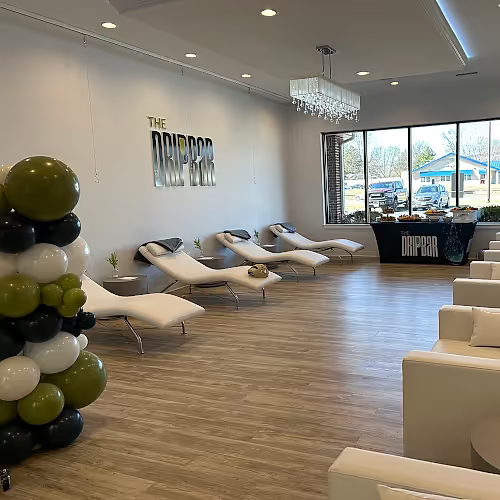
The DRIPBaR Edwardsville Glen Carbon provides a supportive environment for those seeking additional help with demyelinating conditions. Our team works with you to tailor sessions that fit your needs and wellness goals. Each visit is designed to enhance your recovery and comfort. Book your appointment today to explore how IV therapy can support your journey.
Did you know?
Demyelinating conditions can affect both children and adults, often leading to changes in movement, sensation, or vision.
Understanding Demyelinating Conditions
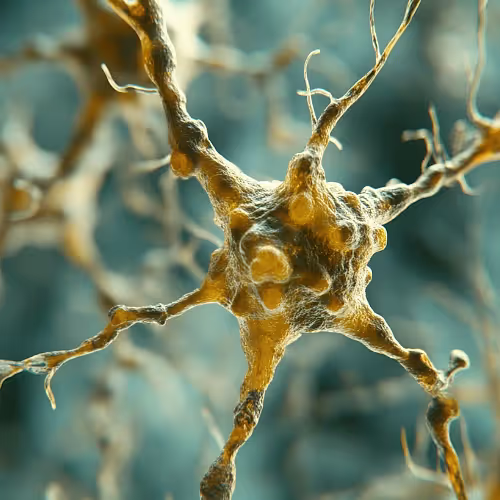
Demyelinating conditions are neurological disorders where the myelin sheath, which insulates nerve fibers, becomes damaged. This protective layer is essential for fast and efficient nerve signal transmission throughout the body. When myelin is lost, communication between the brain, spinal cord, and nerves is disrupted, leading to a range of neurological symptoms. The severity and type of symptoms depend on which nerves are affected and the extent of the damage.
Triggers for demyelinating conditions can include autoimmune reactions, infections, or unknown causes. Management often involves reducing inflammation, supporting nerve repair, and addressing symptoms as they arise. Early recognition and a combination of therapies can help improve outcomes. Ongoing support and lifestyle adjustments play a key role in maintaining function and quality of life.
Symptoms of Demyelinating Conditions
Symptoms of demyelinating conditions often begin with changes in sensation, such as numbness, tingling, or loss of coordination. Muscle weakness or difficulty with movement may develop as nerve signals become less efficient. Some people experience vision problems, including blurred or lost vision, especially if the optic nerve is involved. Fatigue and cognitive changes, like trouble concentrating or memory lapses, are also common.
Symptoms can vary widely from person to person and may come on suddenly or progress gradually. Flare-ups or relapses can cause symptoms to worsen, sometimes requiring additional support or changes in treatment. In children, symptoms may be harder to recognize but can include similar patterns of weakness, sensory changes, or behavioral shifts. The course of the condition is often unpredictable, with periods of improvement and relapse.
Other possible symptoms include chronic pain, muscle spasms, or difficulty with bladder and bowel control. Emotional changes, such as mood swings or depression, may also occur as a result of ongoing neurological stress. Some individuals notice increased sensitivity to heat or infections, which can temporarily worsen symptoms. Monitoring changes and communicating with your healthcare provider is important for effective management.
Traditional Treatments
Care for demyelinating conditions typically focuses on reducing inflammation and managing symptoms. Medications such as corticosteroids or immunosuppressants are commonly used to control immune responses and help avoid further nerve damage. Plasma exchange and other therapies may be considered during severe relapses. Rehabilitation, including physical and occupational therapy, helps support recovery and maintain function. Ongoing care often includes regular monitoring through imaging and lab tests to track disease activity. Supportive therapies, such as nutritional support or counseling, can address fatigue, mood changes, and other challenges. Many people benefit from a multidisciplinary approach that combines medical treatment with lifestyle modifications. Staying active, maintaining a balanced diet, and managing stress are important components of long-term care.
How IV Therapy May Help
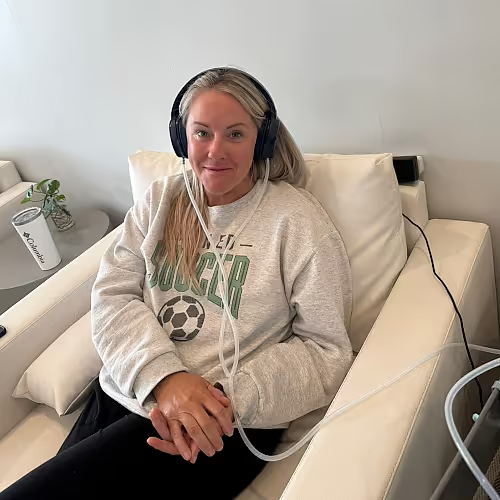
IV therapy at The DRIPBaR offers a way to deliver essential nutrients and antioxidants directly into the bloodstream, supporting nerve health and immune balance. This targeted approach can help address oxidative stress, replenish vitamins and minerals, and promote hydration, which are important for those managing neurological symptoms. Sessions are tailored to individual needs and are overseen by licensed providers to ensure safety and comfort. While IV therapy is not a replacement for standard medical treatments, it may complement your overall care plan by supporting recovery and helping manage fatigue or brain fog. Many clients appreciate the added support as part of their wellness routine. Each visit is designed to fit your goals and enhance your quality of life.
Supportive Options for Nerve Recovery
Certain IV therapies provide antioxidants and nutrients that may help reduce inflammation and support nerve repair. These offerings are designed to complement traditional care for demyelinating conditions. They focus on replenishing key elements needed for nervous system health.
Alpha Lipoic Acid (ALA)
Alpha Lipoic Acid (ALA) is delivered intravenously to maximize absorption and support cellular energy production. This therapy enhances mitochondrial function, helping reduce fatigue and improve metabolic balance. It also provides antioxidant protection by neutralizing free radicals and regenerating other antioxidants. Additionally, it supports liver detoxification and cellular repair. This infusion is designed for individuals seeking to improve vitality and overall wellness. It is administered in a clinical setting with personalized care. The therapy complements a comprehensive approach to health and recovery.
Very good. It took a couple days but feeling much better Marsha Marshall
Had an amazing first visit! Staff was very professional, knowledgeable, friendly, and empathetic ! Will definitely be back !
Ready to Get Started?
Feel your best with a treatment designed to support your goals! Whether you’re looking for hydration, energy, immune support, recovery, or overall wellness, our team will help you choose the right option and make sure your experience is comfortable from start to finish. Click the Book Appointment button below to pick your reserve a time that fits your schedule.
This web site is for educational purposes only. It is not intended as a substitute for the diagnosis, treatment and advice of a qualified licensed professional. This site offers people health information and informs them about some of their options, but in no way should anyone consider that this site represents the “practice of medicine.” This site assumes no responsibility for how this material is used. Also note that this website frequently updates its contents, due to a variety of reasons.
At The DRIPBaR Edwardsville Glen Carbon, your well-being is our top priority. Our Medical Director, Crystal Bradley (License No: 277.003238, IL), leads our licensed providers with expert guidance. While Crystal Bradley doesn’t see clients on-site, they work closely with our licensed medical professionals, ensuring you receive safe, high-quality, and personalized care during every visit. You’re in trusted hands with a team dedicated to helping you feel your best.
- Terms of Use
- Privacy Policy
- Accessibility
- Sitemap
- (618) 207-3834
- Text Us
- Book Appointment
- Get Directions
- Message Us
- Current Promos
- (618) 207-3834
- Text Us
- Book Appointment
- Get Directions
- Message Us
- Current Promos