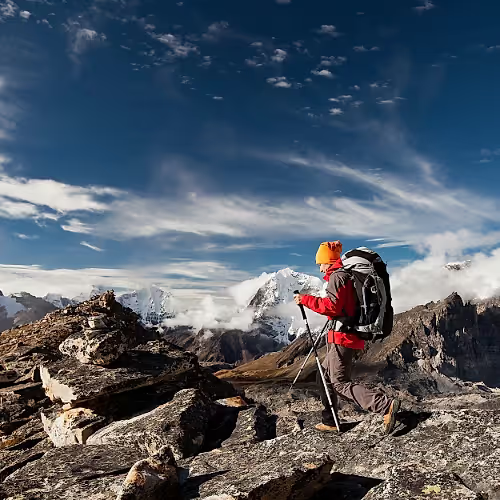

Struggling to adjust at higher elevations?
When your body faces lower oxygen at altitude, it can disrupt energy and hydration. This may leave you feeling tired, dizzy, or short of breath. Recognizing these changes early helps you manage symptoms and stay comfortable.
Support Your Body’s Altitude Adaptation
Targeted hydration support.
IV therapy can help your body adapt to altitude by restoring hydration, balancing electrolytes, and providing nutrients that support oxygen use and energy. These therapies may ease symptoms like headache, fatigue, and nausea, making your time at elevation more comfortable. By supporting immune function and reducing oxidative stress, IV infusions can help you recover after exposure to high altitudes. This approach is designed to complement your acclimatization process, not replace it.
The DRIPBaR Edwardsville Glen Carbon offers IV therapy options that can be tailored to your needs before or after high-altitude travel. Licensed providers oversee each session to ensure your safety and comfort. If you’re planning a mountain trip or recovering from altitude exposure, consider booking an appointment to support your wellness. Schedule your visit today for personalized altitude support.
Did you know?
Altitude sickness can affect anyone above 8,000 feet, even those who are physically fit or experienced travelers.
Understanding Altitude Sickness
Altitude sickness occurs when your body has difficulty adapting to lower oxygen levels found at high elevations. The reduced oxygen can disrupt how your tissues receive and use oxygen, leading to a range of symptoms. This condition is most common when you ascend quickly without giving your body time to adjust. The effects can vary from mild discomfort to more serious complications if not managed properly.
Common triggers include rapid travel to mountain regions, intense physical activity soon after arrival, and dehydration. Practical steps such as gradual ascent, staying hydrated, and limiting strenuous activity during the first day can help reduce risk. Recognizing early signs and responding with rest and hydration are important. Responsible management focuses on supporting the body’s natural acclimatization process.
Common Symptoms of Altitude Sickness
Symptoms of altitude sickness often begin within hours of arriving at higher elevations. Headache is one of the most common early signs, and it may be accompanied by nausea or dizziness. Many people also notice fatigue or shortness of breath, especially during physical activity. These symptoms can make it challenging to enjoy your time in the mountains.
Other possible symptoms include trouble sleeping, loss of appetite, and swelling in the hands, feet, or face. Some individuals may feel unusually irritable or have difficulty concentrating. The severity of symptoms can vary depending on how quickly you ascend and your personal sensitivity to altitude. Most cases are mild and improve with rest and hydration.
In rare cases, altitude sickness can progress to more serious forms, such as high-altitude cerebral edema or pulmonary edema. These conditions involve swelling in the brain or fluid in the lungs and require immediate medical attention. Recognizing when symptoms worsen is crucial for safety. Prompt descent and medical care are essential if severe symptoms develop.
Traditional Treatments
The primary approach to caring for altitude sickness involves stopping further ascent and allowing the body time to acclimate. Rest, hydration, and limiting physical activity are key steps in managing mild symptoms. Over-the-counter medications may help relieve headache or nausea, but they do not address the underlying cause. If symptoms are moderate or do not improve, descending to a lower elevation is the most effective intervention. In some cases, prescription medications like acetazolamide or dexamethasone are used to speed acclimatization or reduce inflammation. Severe cases, such as high-altitude cerebral or pulmonary edema, require immediate descent and emergency medical care. Oxygen therapy may also be necessary in these situations.
How IV Therapy May Help
IV therapy offers a way to support your body’s adaptation to altitude by delivering hydration and nutrients directly into the bloodstream. This method can help restore fluid balance, replenish electrolytes, and provide antioxidants that may reduce oxidative stress from low oxygen exposure. Many people find that these therapies help ease symptoms like headache, fatigue, and muscle tension during altitude transitions. At The DRIPBaR, licensed providers tailor each session to your needs, focusing on safety and comfort. IV infusions are designed to complement traditional acclimatization strategies, not replace them. By supporting hydration and nutrient status, these services may help you recover after time spent at high elevations. Regular or as-needed sessions can be part of a broader wellness plan for those who frequently travel to or live in mountainous areas.
IV Support for Altitude Adaptation
Specialized IV therapies can help restore hydration and deliver nutrients that support your body’s response to altitude. These offerings may ease discomfort and promote recovery after high-elevation exposure. Licensed providers ensure each session is safe and tailored to your needs.
Restoration
Restoration provides a blend of vitamins, minerals, and antioxidants delivered directly into the bloodstream to support hydration and energy production. This therapy helps replenish essential nutrients that may be depleted due to stress or physical exertion. It supports immune function, muscle relaxation, and cognitive clarity. The infusion promotes cellular repair and helps reduce fatigue. Suitable for adults seeking to restore balance and vitality, it offers a comprehensive approach to wellness and recovery.
Very good. It took a couple days but feeling much better Marsha Marshall
Had an amazing first visit! Staff was very professional, knowledgeable, friendly, and empathetic ! Will definitely be back !
Ready to Get Started?
Feel your best with a treatment designed to support your goals! Whether you’re looking for hydration, energy, immune support, recovery, or overall wellness, our team will help you choose the right option and make sure your experience is comfortable from start to finish. Click the Book Appointment button below to pick your reserve a time that fits your schedule.
This web site is for educational purposes only. It is not intended as a substitute for the diagnosis, treatment and advice of a qualified licensed professional. This site offers people health information and informs them about some of their options, but in no way should anyone consider that this site represents the “practice of medicine.” This site assumes no responsibility for how this material is used. Also note that this website frequently updates its contents, due to a variety of reasons.
At The DRIPBaR Edwardsville Glen Carbon, your well-being is our top priority. Our Medical Director, Crystal Bradley (License No: 277.003238, IL), leads our licensed providers with expert guidance. While Crystal Bradley doesn’t see clients on-site, they work closely with our licensed medical professionals, ensuring you receive safe, high-quality, and personalized care during every visit. You’re in trusted hands with a team dedicated to helping you feel your best.
- Terms of Use
- Privacy Policy
- Accessibility
- Sitemap
- (618) 207-3834
- Text Us
- Book Appointment
- Get Directions
- Message Us
- Current Promos
- (618) 207-3834
- Text Us
- Book Appointment
- Get Directions
- Message Us
- Current Promos