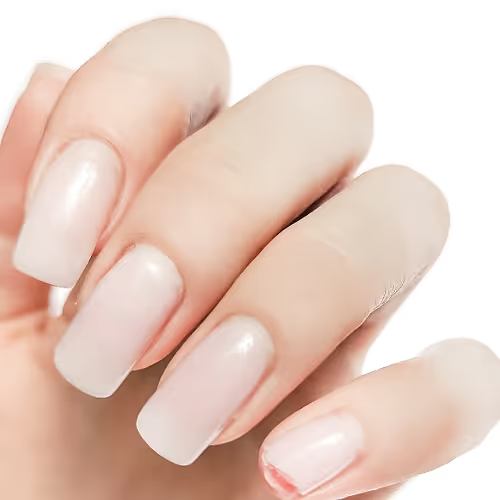

If you live near Fort Lauderdale, you know how humidity, sun, and frequent handwashing can impact your hands. Establishing a cuticle care routine can make a noticeable difference, especially for those who are always on the go. Many of our clients from the cruise terminal or Las Olas area find that a few simple changes help maintain comfort between manicures. Whether you are a traveler or a local, small daily habits can support nail wellness. Let’s look at what works best for lasting results.
Cuticle health is not just cosmetic; it helps protect the nail’s growth area from irritants and damage. Quick improvements are possible with the right combination of moisture, oils, and protective habits. Even small changes can reduce hangnails and discomfort. Consistency is key for visible results.
Why cuticle care matters
Cuticles form a protective barrier at the base and sides of each nail, shielding the delicate nail matrix from daily exposure. When this barrier is compromised by dryness, friction, or harsh chemicals, it can lead to hangnails, irritation, and a less polished appearance. Healthy cuticles are smooth, hydrated, and flexible, which helps nails look their best. Neglecting this area often results in discomfort and a cycle of picking or trimming that worsens the problem. Prioritizing cuticle care supports both comfort and a more refined look.
Common causes of cuticle damage
Frequent handwashing, sanitizer use, and exposure to cleaning products are leading causes of dry, ragged cuticles. Wet-to-dry cycles and cold weather also contribute to cracking and irritation. Aggressive manicures or picking habits can further damage the protective seal around the nail.
Best hand cream for cuticles
Choosing a hand cream with humectants and emollients helps restore hydration and softness to the cuticle area. Look for creams that include ingredients like glycerin or plant oils for daily use. Thicker balms are ideal for nighttime repair or very dry skin.
Moisturizers and hand creams work by adding water to the skin and sealing it in, which is essential for cuticle comfort. Oils, such as jojoba or sweet almond, provide flexibility and help reduce the tight feeling that leads to picking. Layering a water-based moisturizer under oil can maximize results, especially for those with frequent exposure to water or chemicals. Lightweight creams are great for daytime, while richer balms offer extra protection overnight. Applying cream after every wash helps maintain hydration throughout the day. For sensitive skin, fragrance-free options are best. Consistency in application is more important than the specific brand chosen.
Cuticle oil for dry cuticles
Cuticle oils are designed to soften and condition the skin around the nails, improving flexibility and reducing snags. Oils do not add much water but help lock in moisture when used after a cream. Regular use can make cuticles appear smoother and less prone to cracking.
Jojoba, squalane, and sweet almond oils are popular choices for daily cuticle care because they absorb well and feel light on the skin. Vitamin E blends offer extra conditioning for those with very dry or sensitive cuticles. Applying oil morning and night, and after washing hands, supports ongoing comfort and resilience.
Many people wonder whether oil or cream is better for cuticle health, but the answer is often both. Moisturizer adds hydration, while oil helps maintain softness and flexibility. For best results, apply a water-based cream first, then massage oil into the nail folds and sidewalls. This layering technique helps you avoid the dryness and tightness that can lead to picking or tearing. If your hands are exposed to water or chemicals frequently, reapply cream after each wash and use oil at night for extra support. Nighttime balm or ointment can further seal in moisture for those with persistent dryness. Over time, this routine can reduce hangnails and improve the overall look of your nails.
How to get rid of hangnails
A consistent cuticle care routine is the most effective way to help avoid hangnails and keep the area looking neat. Start by applying a moisturizer, then follow with cuticle oil for added flexibility. The cuticle care routine helps keep the nail folds smooth and less prone to painful splits. Avoid picking or tearing hangnails, as this can worsen irritation and lead to infection. Instead, trim only truly loose skin with clean tools. Over time, these habits support both comfort and appearance.
Hangnails often result from a combination of dryness, friction, and repeated exposure to water or harsh products. To minimize their occurrence, focus on daily moisturizing and oil application, especially after washing your hands. Wearing gloves for dishwashing nail care and cleaning tasks can protect the skin from further irritation. If you notice a snag, use a nail file instead of pulling or picking at the skin. For those who get regular manicures, ask for gentle cuticle care and avoid aggressive trimming. Consistent routines help break the cycle of hangnails and promote a healthier nail area. If redness or swelling persists, consult a healthcare professional for guidance.
Protective habits are just as important as the products you use. Wearing gloves for dishwashing nail care, gardening, or cleaning helps reduce exposure to irritants and water. Applying a thick balm at night and using cotton gloves can create a barrier that locks in moisture during sleep. Avoid using your nails as tools, and keep them filed to help avoid snags that lead to picking. For those with sensitive skin, choose fragrance-free products and patch test new items before regular use. These small steps, when done consistently, can make a big difference in cuticle comfort and nail appearance.
Gloves for dishwashing nail care
Gloves are a simple but powerful tool for protecting your cuticles during household chores. Wearing gloves for dishwashing, cleaning, or gardening shields the skin from detergents and moisture loss. Keep a pair near the sink for easy access and choose lined gloves if your hands tend to sweat. For quick tasks, thin nitrile gloves can be comfortable and effective. Using gloves regularly helps maintain the benefits of your cuticle care routine and reduces the need for frequent repairs.
- Daily oil use: Massage cuticle oil into nail folds morning and night for flexibility.
- Hand cream habit: Apply moisturizer after every wash, focusing on the sides and base of nails.
- Nighttime balm: Use a thick balm or ointment at night to seal in moisture and support repair.
- Protective gloves: Wear gloves for cleaning, dishwashing, and gardening to reduce exposure to irritants.
Cuticle moisturizer routine tips
A successful cuticle moisturizer routine starts with choosing the right products for your needs. Use a lightweight cream during the day and a richer balm at night for extra protection. Apply moisturizer after every handwash to maintain hydration, especially if you work in healthcare or service roles. For best results, layer oil over cream to lock in moisture and improve flexibility. Massage both products into the nail folds and sidewalls, not just the nail plate. Keep travel-sized products in your bag or at your desk for convenience. Consistency is the most important factor in seeing visible improvements.
If you have frequent hangnails or cracked cuticles, try adding a nighttime barrier step to your routine. Apply a thick balm to the nail folds before bed and wear cotton gloves for thirty to sixty minutes or overnight. This creates a “cuticle mask” effect that helps seal in moisture and supports overnight repair. For those who use gel manicures, increase oil and balm use during recovery weeks. Avoid aggressive buffing or trimming, as this can worsen dryness and irritation. If you notice persistent redness or swelling, seek advice from a licensed professional. Small changes in your routine can lead to lasting comfort and healthier-looking nails.
Gentle manicure practices are essential for maintaining cuticle health. Ask your nail technician to avoid aggressive cutting and to use gentle pushing instead. Limit the use of acetone and harsh removers, and always follow up with moisturizer and oil. These steps help preserve the protective seal and reduce the risk of irritation.
Pairing your cuticle care routine with internal wellness habits can enhance results. Staying hydrated throughout the day supports skin comfort, while balanced nutrition provides the building blocks for healthy nails. The DRIPBaR’s hydration-focused IV therapy and nutrient blends may complement topical routines by supporting overall wellness foundations. After a beauty-focused infusion, consider starting a seven-day cuticle reset to reinforce new habits. Keep a travel-size oil pen handy for touch-ups after appointments or travel. Consistent care, both inside and out, is the most reliable way to maintain smoother, more resilient cuticles.
Cuticle care after gel manicure
After gel removal, cuticles often need extra attention to recover from dryness and irritation. Increase oil and balm use for several nights following a manicure. Avoid peeling or scraping polish, as this can damage the nail folds. Use gentle removal methods and prioritize hydration. A consistent routine helps restore comfort and appearance quickly.
Spacing out gel services and focusing on recovery weeks may help you avoid ongoing dryness. Apply oil daily and use a thick balm at night for best results. If irritation persists, consult a wellness specialist for personalized advice.
For those who love manicures, maintaining a daily cuticle routine is essential. Oil and cream support flexible, healthy-looking cuticles between appointments. Gentle grooming and protective habits help preserve results and reduce the risk of hangnails.
Remember to address cuticle care as a daily habit, not just a step during manicures. Consistent routines make it easier to maintain comfort and a polished look. Small changes, like using oil and cream regularly, can have a lasting impact.
Signs of cuticle distress
Clients from neighborhoods like Las Olas and Fort Lauderdale Beach often notice more hangnails and dryness after travel or frequent handwashing. Redness, swelling, or persistent pain around the nail folds are signs that extra care is needed. If these symptoms do not improve with routine changes, consult a healthcare professional. Early attention may help you avoid further discomfort.
Cuticle routines cannot avoid all issues, especially if exposure to irritants remains high. Persistent redness, swelling, or drainage may indicate infection or another underlying concern. Seek medical advice if symptoms worsen or do not resolve.
Healthy cuticles typically appear smooth, hydrated, and free of painful splits. Fewer hangnails and less tenderness are signs of progress. Tracking changes weekly can help you stay motivated and adjust your routine as needed.
Best practices for cuticle comfort
Use clean tools for trimming hangnails and avoid sharing with others. Replace dull nippers to help avoid tearing the skin. Always trim only loose, dead skin, not live cuticle tissue.
Patch test new products if you have sensitive skin or a history of reactions. Choose fragrance-free formulas during flare-ups. Simpler routines are often best for comfort.
Cuticle moisturizer routine essentials
A strong cuticle moisturizer routine includes daily cream after washing, oil morning and night, and a thick balm at bedtime for very dry skin. Gloves for cleaning or dishwashing help protect the skin barrier. For those with frequent handwashing, keep travel-sized products at every sink. Massage products into the nail folds and sidewalls for best results. Consistency in these habits supports smoother, more resilient cuticles over time.
Tracking progress can keep you motivated and help you see what works best. Take weekly photos in similar lighting to compare changes. Count hangnails and note days with tenderness or cracking. Adjust your routine based on what you observe for ongoing improvement.
If you experience setbacks, do not get discouraged. Cuticle health can fluctuate with changes in weather, travel, or routine. Return to your core habits and give your skin time to recover. Support from a wellness specialist can help you refine your approach.
Cuticle care for busy lifestyles
Busy schedules make it easy to overlook cuticle care, but small habits add up. Keep oil and cream in your bag or at your desk for quick application. Pair your routine with another daily habit, like brushing your teeth, to build consistency. Even minimal routines can support comfort and appearance.
Parents, healthcare workers, and frequent travelers often face extra challenges with cuticle health. Using gloves for wet tasks, oil before bed, and a thicker balm at night can help offset high exposure. For those in service roles, fragrance-free products and gentle soaps are recommended. Gym-goers should wash hands after workouts and apply cream to keep dryness from chalk or friction. Travelers can pack oil pens and balms for on-the-go care. Adjust your routine to fit your lifestyle for the best results.
Cuticle care myths debunked
Many believe that oil alone will hydrate cuticles, but moisturizer is essential for adding water to the skin. Over-trimming cuticles can actually increase irritation and hangnails. Gloves are more effective than any single product for protecting your hands. Consistent routines, not expensive products, make the biggest difference.
Some people think a cuticle care routine is only for salon days, but daily habits matter most. The cuticle care routine supports comfort and appearance between manicures. Using both oil and cream regularly is key for lasting results. Remember, consistency is more important than perfection.
Skipping gloves for wet work, using acetone frequently, or forgetting the sidewalls are common mistakes that sabotage progress. Buffing the nail plate too aggressively can increase snags and lead to picking. Caring for cuticle care as a daily habit, not just a manicure step, supports healthier-looking nails. Small adjustments can help you avoid setbacks. Focus on building habits that fit your routine.
Cuticle care routine checklist
Apply hand cream after every wash to maintain hydration. Use cuticle oil morning and night for flexibility. Add a thick balm at bedtime for extra protection.
Wear gloves for cleaning, dishwashing, and gardening to reduce exposure to irritants. File snags instead of picking to help avoid tears. Keep travel-sized products handy for convenience. Track your progress with weekly photos and hangnail counts. Adjust your routine as needed for ongoing improvement.
- Hand cream after washing: Hydrates and supports the skin barrier.
- Oil morning and night: Improves flexibility and reduces snags.
- Night balm for repair: Seals in moisture during sleep.
- Gloves for wet work: Protects from detergents and water exposure.
- File snags immediately: Helps avoid picking and tearing.
- Patch test new products: Reduces risk of irritation for sensitive skin.
- Track weekly progress: Motivates and helps refine your routine.
- Adjust for lifestyle: Tailor habits to fit your daily schedule.
Cuticle care for every season
Winter and low humidity can increase dryness, so use thicker balms and cotton gloves at night. In summer, rinse hands after pool time and apply cream to restore moisture. Adjust your routine to match seasonal changes for best results.
Travel, frequent handwashing, and exposure to chemicals all impact cuticle health. Pack oil pens and balms for trips, and increase cream use during busy weeks. For those who work with their hands, gloves and consistent moisturizing are essential. Adjust your routine as your environment changes. Small adaptations help maintain comfort year-round.
Sensitive skin may require fragrance-free products and simpler routines during flare-ups. Patch test new items and avoid strong essential oils if irritation occurs. Consistency and gentle care are key for long-term comfort.
Cuticle care for wellness clients
Wellness-focused clients often pair topical routines with internal support for the best results. Hydration, balanced nutrition, and regular self-care moments all contribute to healthier-looking nails. The DRIPBaR’s IV therapy and nutrient blends may complement your daily habits by supporting overall wellness foundations. After a hydration-focused infusion, start a seven-day cuticle reset to reinforce new routines. Keep oil and cream visible at home or work to encourage consistent use. Track your progress and celebrate small improvements. Over time, these habits can help you maintain smoother, more resilient cuticles.
Remember, cuticle care is a journey, not a quick fix. Focus on building habits that fit your lifestyle and adjust as needed. Support from a wellness specialist can help you refine your approach for lasting comfort.
If you are new to cuticle care, start with a simple routine and add steps as you see results. Consistency is more important than perfection. Over time, small changes can make a noticeable difference in comfort and appearance.
For those interested in pairing internal and external approaches, The DRIPBaR Fort Lauderdale offers hydration-focused IV therapy and nutrient blends that may complement your cuticle care routine. While topical habits provide direct support, internal wellness can help maintain the foundation for healthy-looking nails. Ask about options that fit your needs and lifestyle. Our team is here to help you feel your best, whether you are a local or just passing through. Take the first step toward healthier nails today.
Ready to support your nails?
If you have questions about building a cuticle care routine or want to learn more about how internal wellness can complement your efforts, reach out to our team. We welcome walk-ins and same-day appointments at The DRIPBaR Fort Lauderdale, with plenty of free parking and a serene, spa-like atmosphere. Whether you are a regular or visiting for the first time, our goal is to help you feel comfortable and informed. Share your concerns or goals with us, and let us help you find the right approach. Your journey to healthier-looking nails can start today.
How does sleep contribute to nail and cuticle health before a big event?
Quality sleep supports the body’s natural repair processes, including those affecting the skin and nails. Rested skin is better able to retain moisture and recover from daily stressors. Prioritizing sleep before a special occasion may help your hands look their best. Pairing rest with a cuticle care routine can enhance visible results.