
Travelers passing through Fort Lauderdale often face unpredictable schedules, making it challenging to maintain healthy routines. With busy itineraries and changing environments, it is easy to overlook essentials like hydration and meal planning. Using resources such as Diabetes Travel Tips can help you prepare for these disruptions. Even a short drive from the cruise terminal or airport, you can find support for your wellness needs. Planning ahead ensures you have what you need for a smoother trip.
Many travelers with diabetes have tried to manage on the go by grabbing snacks or skipping meals, only to experience energy crashes or dehydration. These quick fixes often fall short because they do not address the core disruptions of travel, hydration, meal timing, and sleep. The gap is best filled by setting up simple, repeatable routines that act as anchors during busy days. By focusing on water intake, protein-first meals, and planned snack buffers, you can reduce the risk of spikes and crashes. This approach helps you feel more in control, even when travel plans change unexpectedly.
Planning Travel Hydration Strategies
Hydration is a cornerstone of travel wellness, especially for people managing diabetes. Airplane cabins, long drives, and busy schedules can all increase the risk of dehydration, which may be mistaken for blood sugar issues. Drinking water before caffeine, sipping steadily throughout the day, and using electrolyte drinks for flights can help maintain energy and focus. It is best to front-load hydration earlier in the day to avoid sleep disruption at night. For those with medical restrictions, consult a healthcare professional before using electrolyte strategies. Consistent hydration supports better digestion and decision-making. Making hydration a priority can set the tone for a successful trip.
Meal Timing While Traveling
Meal timing often becomes unpredictable during travel, leading to skipped meals or reactive snacking. Establishing meal anchors, such as a protein-rich breakfast and a structured lunch, helps reduce energy swings. Packing diabetes-friendly travel snacks like nuts, cheese, or yogurt can buffer long gaps between meals. Planning for a mid-afternoon snack is especially helpful when dinner will be late. These strategies avoid the common cycle of skipping meals and then overeating later. By focusing on meal timing, travelers can maintain steadier energy and avoid unnecessary glucose fluctuations.
Diabetes-Friendly Travel Snacks
Choosing the right snacks is essential for managing diabetes on the road. Look for options that combine protein and fiber, such as hard-boiled eggs, Greek yogurt, or nut packs. These snacks help increase fullness and reduce the temptation to reach for sugary foods. Tuna or salmon packets, jerky, and ready-to-eat salads with chicken are also convenient choices. Including a fiber-rich carb like fruit or beans can support digestion. Keeping these snacks on hand makes it easier to stick to your wellness plan, even when healthy meals are not available.
Travel hydration for diabetes is not just about water. Electrolyte drinks for flights can be helpful on long travel days, especially in hot climates or after heavy activity. Always choose low or no added sugar options when possible.
Meal timing while traveling with diabetes requires flexibility and planning. Early flights, long meetings, or sightseeing can disrupt regular eating patterns. Using snack buffers and meal anchors helps you avoid long gaps that lead to energy crashes. Protein at the first meal of the day supports fullness and steadier glucose. Packing snacks like nuts or cheese ensures you are never stranded without a healthy option. These habits make it easier to adapt to changing schedules without sacrificing wellness.
IV Hydration After Travel
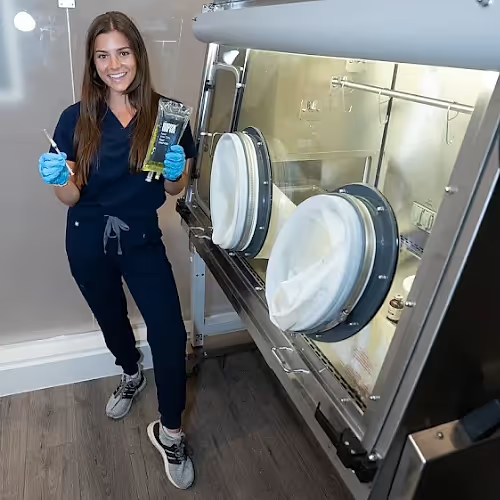
After a busy trip, many travelers feel depleted from dehydration, disrupted meals, and poor sleep. IV hydration after travel can be a supportive option when oral intake has been inconsistent. At The DRIPBaR, hydration-focused sessions help clients feel replenished and ready to return to healthy routines. These sessions are not a care for diabetes but can complement your overall wellness plan. Personalized add-ons, such as mineral or vitamin support, may be available based on your needs. Always consult with a licensed professional if you have kidney or heart conditions. Using IV hydration as a routine anchor can ease the transition back to daily life.
Electrolyte drinks for flights are especially useful on long journeys or in hot destinations. They help replace minerals lost through sweat and support hydration when water alone is not enough. Choose options with low added sugar and avoid stacking multiple products. People with medical restrictions should seek guidance before using these drinks.
DRIPBaR travel wellness services offer a convenient way to support hydration and nutrient consistency before or after a trip. These services are designed to fit into busy schedules and can be tailored to your wellness goals. Many clients find that a pre-trip session helps them start travel feeling prepared and hydrated. Post-trip visits can support recovery after long flights or active itineraries. Results vary, and these services are meant to complement, not replace, your existing diabetes care plan.
Electrolyte Drinks for Flights
Electrolyte drinks for flights can be a practical addition to your travel routine. They help maintain fluid balance during long flights, especially when cabin air is dry. Choose low or no added sugar options to avoid unnecessary glucose spikes. Use electrolytes strategically on high-loss days, such as after heavy walking or in hot climates. Avoid relying on these drinks all day; use them as a tool, not a default. Always check with a healthcare provider if you have kidney or heart concerns.
Travel hydration for diabetes is most effective when combined with steady water intake and planned electrolyte use. Sipping water regularly, especially before caffeine, supports energy and focus. Electrolyte drinks can be helpful during long flights or after active days. Remember to balance these with whole foods and avoid sugary beverages unless directed by your medical plan. Consistent hydration helps you avoid headaches and fatigue.
Meal timing while traveling with diabetes can be anchored by simple routines. Start with protein at your first meal, pack snacks for gaps, and aim for a vegetable serving daily. These habits help you avoid reactive eating and energy swings. Planning ahead makes it easier to adapt to changing schedules. With a few reliable strategies, you can maintain wellness even on the busiest travel days.
DRIPBaR Travel Wellness Services
Many travelers searching for Diabetes Travel Tips want practical solutions that fit real-world schedules. DRIPBaR travel wellness services are designed to support hydration, nutrient consistency, and recovery before or after trips. These sessions can be tailored to your needs, whether you are preparing for a long flight or recovering from a busy itinerary. Personalized add-ons, such as vitamin or mineral support, may be available based on your wellness goals. The focus is on helping you feel replenished and ready to return to healthy routines. Results vary, and these services are meant to complement your existing care plan.
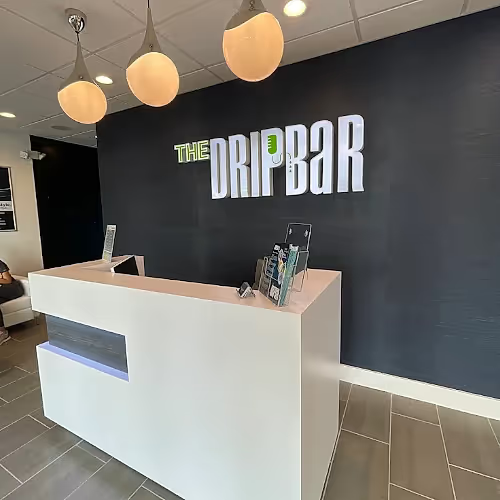
At The DRIPBaR Fort Lauderdale, clients appreciate the spa-like environment and personalized attention from experienced licensed providers. The team is dedicated to making every visit comfortable and educational. The location is easily accessible, with plenty of free parking and a serene atmosphere. Whether you are a local or just passing through, the focus is on helping you feel your best.
Travel hydration for diabetes is a key part of the wellness routine. Combining water, electrolytes, and balanced meals supports energy and focus. Planning ahead makes a noticeable difference.
Packing for Diabetes Wellness
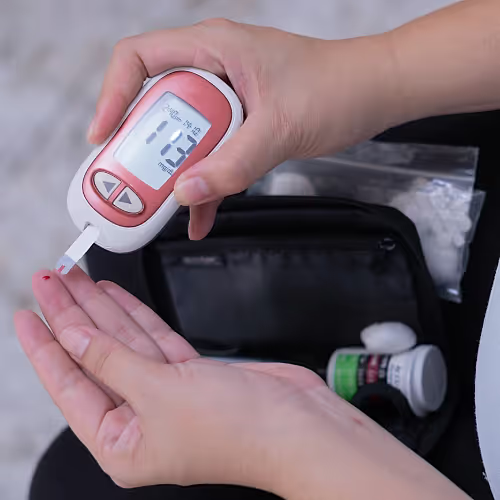
Packing for diabetes travel wellness starts with a reliable checklist. Bring a refillable water bottle and a low added sugar electrolyte option if appropriate. Include protein snacks like nuts, seeds, or jerky to buffer long gaps between meals. Do not forget fiber-rich options such as fruit or chia packs. Keep glucose monitoring supplies and fast-acting glucose easily accessible. Medications should always be in your carry-on, along with a simple written plan for meal anchors and hydration.
- Hydration first: Drink water before caffeine every travel day.
- Protein anchor: Eat protein at your first meal to support fullness.
- Snack buffer: Pack a protein snack to help avoid long gaps.
- Vegetable goal: Aim for at least one vegetable serving daily.
- Movement break: Take a 10-minute walk after one meal each day.
- Glucose check: Monitor your glucose as directed by your plan.
Meal Timing and Snack Planning Tips
Meal timing while traveling with diabetes is easier with a few simple rules. Start each day with protein, and plan snacks for long stretches between meals. Use convenience store or airport options that prioritize protein and fiber. These habits help you avoid energy crashes and reactive eating.
Diabetes-friendly travel snacks are essential for maintaining energy and avoiding glucose swings. Choose snacks that combine protein and fiber, such as cheese, nuts, or yogurt. Packing these options makes it easier to stick to your plan when healthy meals are not available. Having a snack buffer helps avoid long gaps and supports steadier energy. Consistency is key for travel wellness.
IV hydration after travel can support recovery when oral intake has been inconsistent. Many clients find these sessions helpful for rehydration and returning to healthy routines. Personalized add-ons may be available based on your needs. Always consult a licensed professional if you have medical concerns. These services are designed to complement your existing wellness plan.
Travel hydration for diabetes is most effective when combined with meal timing and movement. Sipping water regularly, eating protein at the first meal, and walking after meals all support steadier energy. Planning ahead reduces decision fatigue. Small habits add up to better travel days.
DRIPBaR travel wellness services can be a supportive anchor before or after busy trips. These sessions are designed to fit into your schedule and help you feel replenished. Many clients appreciate the personalized approach and comfortable environment. Results vary, and services are meant to complement your diabetes care plan.
Hydration Support for Blood Sugar
Many clients visiting from the Fort Lauderdale Beach area appreciate the convenience of a short drive to The DRIPBaR for hydration support. Hydration plays a key role in supporting energy, digestion, and overall wellness, especially during travel. Consistent water intake and strategic use of electrolytes can help reduce headaches and fatigue. By planning ahead, travelers can maintain steadier energy and return to routines more smoothly.
Hydration support for blood sugar regulation is a practical strategy for travel wellness. Dehydration can cause symptoms like headaches, fatigue, and cravings that are easily mistaken for blood sugar issues. Sipping water steadily throughout the day, especially before caffeine, helps maintain balance. Electrolyte drinks can be useful after long flights or active days, but always choose low or no added sugar options. People with kidney or heart conditions should consult a healthcare professional before using electrolyte strategies. Consistent hydration supports better digestion and decision-making. Making hydration a priority can set the tone for a successful trip.
Meal Anchors and Snack Buffers
Meal anchors and snack buffers are essential for managing diabetes during travel. Start each day with a protein-rich meal to support fullness and energy. Pack snacks to bridge long gaps between meals. These habits help you avoid reactive eating and energy swings.
Diabetes-friendly travel snacks like nuts, cheese, and yogurt make it easier to stick to your plan. Including fiber-rich options supports digestion and helps you feel satisfied. Planning ahead ensures you have healthy choices available.
Movement and Sleep Protection
Movement and sleep protection are often overlooked but vital for travel wellness. Walking during layovers or after meals helps reduce stiffness and support glucose stability. Keeping a consistent wake time and getting morning light exposure can improve sleep quality. Avoid heavy alcohol and late caffeine to protect rest. Even a short wind-down routine can make a difference. Prioritizing movement and sleep supports overall energy and wellness.
Travel hydration for diabetes is most effective when combined with movement and sleep routines. These habits help maintain steadier energy and support better decision-making. Planning ahead makes it easier to adapt to changing schedules.
Post-Trip Recovery Reset
A post-trip recovery reset helps travelers return to healthy routines after busy days. Start with hydration and a protein-forward meal on arrival. Take a short walk to support circulation and reduce stiffness. Prioritize an early bedtime to help your body recover from travel fatigue. The next day, continue with water before caffeine and balanced meals. These habits support a smoother transition back to daily life.
The 48-hour post-trip reset is a practical way to regain energy and routine after travel. Begin with steady hydration and a protein-rich breakfast. Include vegetables at two meals and take a daily walk, especially after eating. Set a caffeine cutoff and use a short wind-down routine to improve sleep. Optional hydration support at The DRIPBaR can be part of this reset for those feeling depleted. These steps help you feel more prepared for the days ahead. Results vary and depend on individual factors like sleep, stress, and activity.
Hydration support for blood sugar regulation is a practical addition to travel wellness routines. Consistent water intake helps reduce fatigue and support digestion. Electrolyte drinks can be useful after long flights or active days. Always choose options that fit your medical needs.
Meal anchors and snack buffers help you avoid the cycle of skipping meals and overeating later. Start with protein at your first meal and pack snacks for long stretches. Including a vegetable serving daily supports digestion and energy. Planning ahead makes it easier to adapt to changing schedules. These habits are simple but powerful tools for travel wellness.
Movement and sleep protection are key for recovery after travel. Walking and consistent sleep routines help restore energy. Prioritizing these habits supports a smoother return to daily life.
Planning Your Travel Wellness Routine
Planning your travel wellness routine starts with simple, repeatable habits. Focus on hydration, meal timing, and movement to support energy and comfort. Use snack buffers and meal anchors to help avoid long gaps. Consistency makes it easier to adapt to changing schedules.
Diabetes Travel Tips are especially helpful for those managing busy itineraries or unpredictable schedules. By planning ahead, you can reduce the risk of energy crashes and dehydration. Packing snacks and prioritizing hydration makes a noticeable difference. These strategies help you feel more confident and prepared.
Routine Anchors Before and After Travel
Routine anchors before and after travel help maintain wellness and support recovery. A pre-trip hydration session at The DRIPBaR can help you start your journey feeling prepared. Post-trip visits support rehydration and a quick return to healthy routines. These sessions are not a care for diabetes but can complement your overall wellness plan. Personalized add-ons may be available based on your needs. Results vary, and services are designed to fit into your schedule.
Planning your travel wellness routine is easier with a few reliable habits. Focus on hydration, meal timing, and movement to support energy and comfort. Use snack buffers and meal anchors to help avoid long gaps. Consistency makes it easier to adapt to changing schedules.
48-Hour Post-Trip Reset Plan
The 48-hour post-trip reset is a practical way to regain energy and routine after travel. Begin with steady hydration and a protein-rich breakfast. Include vegetables at two meals and take a daily walk, especially after eating. Set a caffeine cutoff and use a short wind-down routine to improve sleep. Optional hydration support at The DRIPBaR can be part of this reset for those feeling depleted.
Routine anchors before and after travel help maintain wellness and support recovery. A pre-trip hydration session at The DRIPBaR can help you start your journey feeling prepared. Post-trip visits support rehydration and a quick return to healthy routines. These sessions are not a care for diabetes but can complement your overall wellness plan.
The 48-hour post-trip reset is a practical way to regain energy and routine after travel. Begin with steady hydration and a protein-rich breakfast. Include vegetables at two meals and take a daily walk, especially after eating. Set a caffeine cutoff and use a short wind-down routine to improve sleep. Optional hydration support at The DRIPBaR can be part of this reset for those feeling depleted. These steps help you feel more prepared for the days ahead. Results vary and depend on individual factors like sleep, stress, and activity.
Ready to Plan Your Next Trip?
Travel wellness for diabetes is about building routines that support energy, comfort, and confidence on the go. By focusing on hydration, meal timing, and movement, you can reduce the risk of energy crashes and dehydration. Planning ahead with snack buffers and meal anchors makes it easier to adapt to changing schedules. The DRIPBaR Fort Lauderdale offers supportive services to help you feel replenished before or after your trip. If you are ready to take the next step, our team can walk you through the process from arrival to finish. Limited daily slots are available, so consider scheduling your visit today.