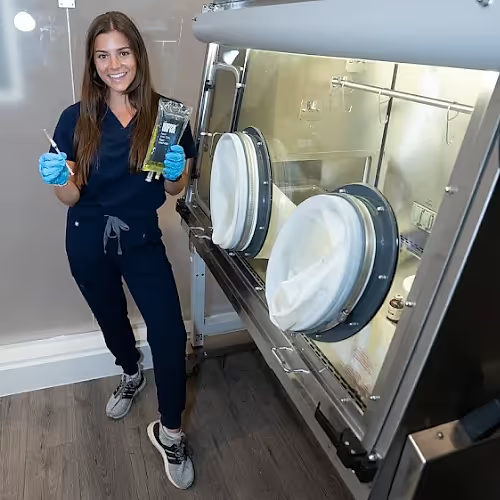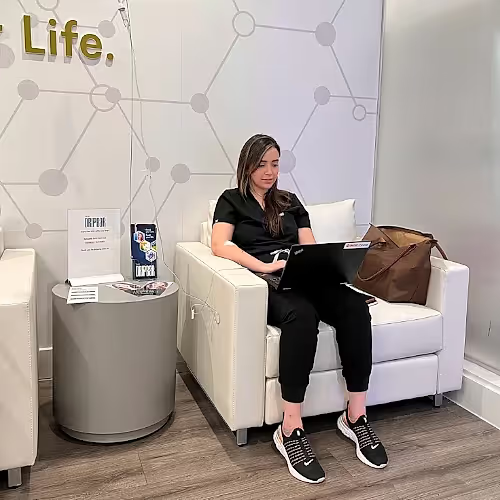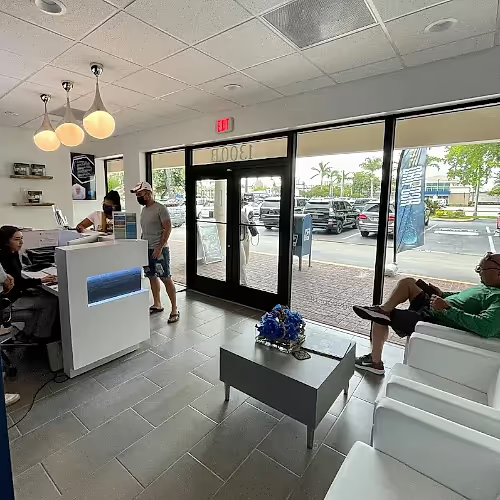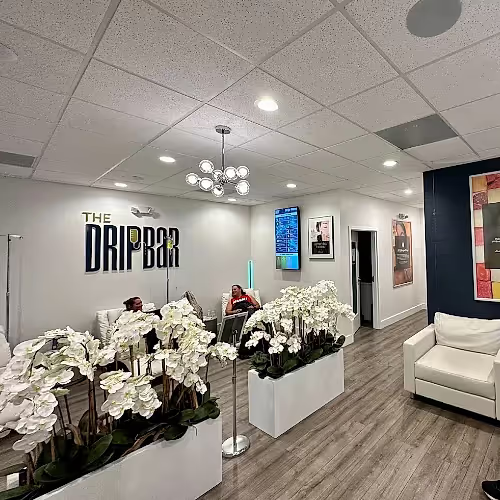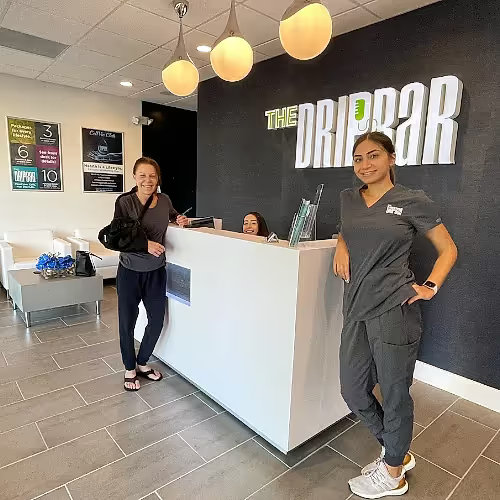

Many clients from Fort Lauderdale and nearby areas find that adding red light therapy for cancer patients to their wellness plan can make a difference in how they feel day to day. This non-invasive option is paired with compression boots to support circulation and mobility. Both services are offered in a spa-like setting, making it easier to relax during each session. Walk-ins and same-day appointments are welcome, which is especially helpful for those traveling through the area. As always, these services should be used with oncology guidance for safety.
Understanding gentle mobility recovery options
Cancer care often leads to fatigue, stiffness, and reduced activity. These symptoms can make daily movement feel challenging. Gentle mobility recovery for cancer patients focuses on comfort and gradual improvement. Red light therapy and compression boots are two options that support this approach. Both are designed to help clients feel more at ease as they rebuild strength.
Mobility support is not about pushing limits. Instead, it is about making small, consistent gains. Each session is tailored to individual needs. The focus remains on comfort and safety. Licensed professionals guide every step. This ensures a supportive and reassuring experience.
Photobiomodulation therapy for cancer recovery
Photobiomodulation therapy, often called red light therapy, uses specific wavelengths to support tissue comfort and relaxation. This gentle approach is not a cancer treatment but may help ease stiffness and promote local circulation. Sessions are designed for comfort, with conservative protocols and careful screening. Oncology clearance is always required before starting. Many find this therapy helps them feel more ready for gentle movement.
Compression boots explained
Compression boots use intermittent pressure to support circulation comfort in the legs. They are commonly used to reduce the sensation of heaviness and stiffness after inactivity. For cancer patients, these boots are used with extra care and only after appropriate screening. The goal is to help legs feel lighter and more comfortable. Sessions are always guided by trained staff for safety.
Intermittent pneumatic compression boots are not a substitute for medical care. They are a supportive tool for those cleared by their oncology team. The boots inflate and deflate in cycles, creating a gentle massage effect. This process can help reduce discomfort after sitting or treatment. Always report any new swelling, redness, or pain to your medical provider.
Lymphedema-safe compression guidance
Lymphedema-safe compression guidance is crucial for anyone with a history of lymph node removal or swelling. Compression boots should only be used with explicit clearance from a lymphedema therapist or oncology team. Improper use can worsen symptoms or irritate sensitive skin. Staff will always confirm safety before starting a session. Comfort and monitoring are top priorities.
If you have lymphedema, follow your therapist’s recommendations closely. Compression boots are not a replacement for prescribed garments or specialized care. Conservative settings and short durations are used when approved. Staff will monitor skin and comfort throughout the session. Any increase in swelling or discomfort should be reported immediately. This ensures the safest possible experience.
Neuropathy-friendly recovery tools
For those experiencing neuropathy, red light therapy for cancer patients can be part of a comfort-first approach. Compression boots are used at the lowest pressure and for shorter sessions. Monitoring for changes in sensation is essential.
Staff will check skin and comfort before and after each session. If numbness, tingling, or pain increases, the session is stopped. The focus is always on safety and gentle support.
Routine support for circulation
Supporting circulation during recovery involves more than just one tool. Gentle movement, hydration, and rest all play a role. Compression boots and red light therapy can help make movement feel easier. These services are most effective when paired with daily basics. Consistency is key for lasting comfort.
- Gentle movement snacks: Short walks or ankle pumps support circulation.
- Hydration reminders: Small sips throughout the day help maintain fluid balance.
- Protein-first meals: Including protein at each meal aids tissue repair.
- Calm breathing routines: Slow, deep breaths can reduce stress and muscle tension.
- Skin checks: Inspect legs and feet before and after sessions for any changes.
- Comfortable clothing: Wear loose, non-restrictive clothes to each appointment.
- Post-session movement: Gentle stretching or walking after therapy reinforces benefits.
Hydration and electrolyte strategies
Hydration is a foundation for circulation comfort. During cancer recovery, small intake moments throughout the day are more manageable than large drinks. Electrolytes may be helpful if approved by your healthcare provider. These strategies support blood volume and reduce cramping. Always consult your oncology team before adding supplements.
Dehydration can make legs feel heavier and increase discomfort. Sipping water or broth regularly helps maintain balance. Electrolyte drinks can be useful during periods of low appetite or after treatment. These routines are simple but effective. They work best when combined with gentle movement and rest.
Some clients find that pairing hydration with recovery sessions improves their overall comfort. Staff can offer reminders and tips during your visit. The goal is to make each step of recovery feel more manageable. Even small changes can have a positive impact. Consistency and support are essential.
Protein and energy support
Protein helps rebuild strength and supports tissue repair after cancer treatment. Many people do better with several small meals each day. Including a protein source at each meal can stabilize energy. Options like yogurt, eggs, or smoothies are easy to tolerate. These habits make recovery tools feel more effective.
Low appetite is common during chemotherapy recovery. Calorie-rich fluids like soups and smoothies can help. These options provide both hydration and nutrition. Staff can suggest ideas tailored to your needs.
Energy dips and fatigue are normal after treatment. Building a routine with protein, hydration, and gentle movement can help. Staff will work with you to find the right balance. Recovery is a gradual process, and patience is important. Each session is designed to support your goals. Over time, small gains add up to meaningful progress.
Stress and sleep routines
Clients from Fort Lauderdale often mention how a calm environment supports their recovery. Stress regulation is vital for muscle relaxation and better sleep. Simple routines like slow breathing or guided relaxation can make a difference. These habits help reduce tension and improve comfort. A consistent wind-down routine supports restful sleep.
Sleep quality can impact how the body responds to recovery tools. Dim lighting and reduced stimulation before bed are helpful. Warm showers or gentle stretching can prepare the body for rest. Staff can share calming techniques during your visit. Prioritizing sleep and stress support is part of a well-rounded recovery plan. Over time, these routines can improve motivation and comfort.
Building a recovery lounge routine
A structured recovery session combines hydration, calm breathing, and gentle therapies. Red light therapy and compression boots are offered in a spa-like setting. The goal is to create a pause in your day for focused self-care. Clients are encouraged to take it slow and listen to their bodies. This approach supports habit building and long-term comfort.
Each visit is tailored to your needs and preferences. Staff will guide you through every step. The environment is designed for relaxation and privacy. Recovery sessions are never rushed.
Clients often report feeling lighter and more at ease after a session. The focus remains on comfort and gradual progress. Consistent routines help reinforce positive changes.
Personalizing your recovery plan
Personalization is key for effective recovery. Staff will ask about your goals, comfort level, and any medical considerations. Sessions can be adjusted based on how you feel each day. Communication is encouraged to ensure safety and satisfaction. Over time, your plan can evolve as your needs change. This flexibility supports ongoing progress.
Recovery is not one-size-fits-all. Your experience and preferences matter. Staff will help you find the right combination of therapies. Adjustments are made as needed for comfort.
Open dialogue with your healthcare provider is always recommended. This ensures your recovery plan remains safe and effective. Your well-being is the top priority.
Tracking progress and comfort
Tracking comfort and function can help measure progress. Simple ratings for heaviness, stiffness, and energy are useful. Staff can suggest ways to monitor these changes. Small improvements are meaningful.
Functional markers like walking a short distance or climbing stairs with less effort are good signs. Clients are encouraged to notice changes in daily routines. Better sleep, easier movement, and reduced discomfort all indicate progress. Staff will help you set realistic goals. Tracking helps keep recovery on course. Celebrate each step forward.
If setbacks occur, staff can help adjust your plan. Recovery is a journey with ups and downs. Support is always available.
Gentle mobility and circulation routines
Before a session, a light routine can prepare the body for therapy. Hydration, skin checks, and gentle movement are recommended. During compression or red light therapy, comfort is the focus. Staff use conservative settings and monitor for any discomfort. Afterward, slow standing and a short walk can reinforce benefits. These steps help make each session as effective as possible.
Some clients find that red light therapy for cancer patients is most helpful when paired with daily movement snacks. Compression boots can make walking feel easier after a session. These routines are simple but can support lasting comfort. Staff will help you build habits that fit your lifestyle. Consistency is encouraged for best results. Over time, small routines add up.
If you have questions about which routine is right for you, staff can help compare options. Your comfort and safety are always the main focus. Each plan is tailored to your needs.
Common pitfalls and safer alternatives
Avoid using compression boots if you suspect a clot or have new swelling. High pressure settings are not recommended. Always check skin before and after sessions. Use the lowest effective pressure and increase slowly. Staff are available to guide you through safe practices.
Ignoring skin changes or discomfort can lead to complications. Always report new redness, pain, or warmth to your healthcare provider. Do not place red light therapy over restricted areas. Recovery tools are not a replacement for movement. Pair sessions with gentle activity for best results. Staff will help you avoid common mistakes. Safety is always the priority.
Special considerations for cancer recovery
Post-surgical clients should follow all medical guidance. Avoid compression over recovery incisions or drains. Red light therapy should only be used near incisions if cleared.
Radiation can make skin more sensitive. Avoid any therapy that irritates treated areas. People on anticoagulants may bruise more easily, so conservative settings are used. Those with diabetes or nerve issues need extra monitoring for skin changes. Staff will tailor sessions to your medical history. Communication with your healthcare provider is always encouraged.
If you have questions about your unique situation, staff can help. Safety and comfort are always prioritized. Each session is adjusted as needed.
Ethical and supportive messaging
Supportive language is used throughout your recovery journey. Staff focus on comfort and realistic expectations. These services are designed to complement medical care. Absolute claims are avoided.
Red light therapy and compression boots may help support comfort and mobility. They are not a replacement for medical care or care for cancer. These tools work best as part of a broader recovery plan. Staff will help you compare options and make informed choices. Your safety and well-being come first.
Open communication with your healthcare provider is essential. Staff are available to answer questions and provide guidance. Recovery is a collaborative process. Each step is taken with care and respect. Your needs shape the plan.
If you are ready to explore gentle recovery options, reach out today. Staff can help you schedule a session or answer questions. Your comfort is always the priority.
Start your gentle recovery today
Taking the first step toward recovery can feel daunting, but support is available. Gentle routines and supportive therapies can make a difference. Each session is designed for your comfort and safety. Reach out to learn more or schedule your visit.
If you are considering gentle recovery tools after cancer treatment, the team at The DRIPBaR Fort Lauderdale is here to help. Staff can answer questions and help you compare options. Your well-being is always the top priority. Book a session or stop by to experience a supportive, spa-like environment. Every visit is a step toward feeling more like yourself.