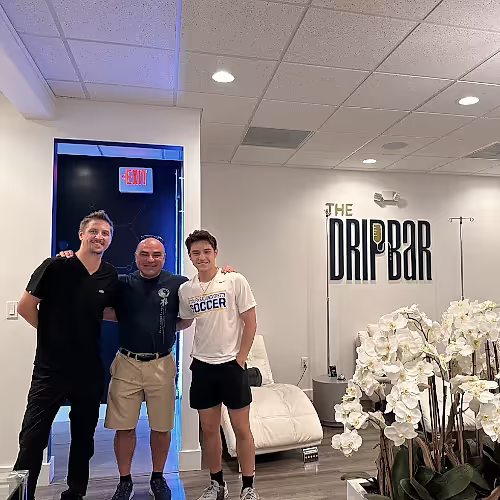

For those living in or visiting Fort Lauderdale, access to specialized wellness services is both convenient and reassuring. Many clients seek out IV therapy for Immunocompromised individuals to address fatigue, hydration issues, or nutrient gaps. The proximity to major travel hubs means travelers and locals alike can find support quickly. It is important to choose a provider that prioritizes safety and individualized care. Always ensure your care is coordinated with your primary medical team.
Immune compromise is not a single assessment, but a spectrum that changes over time. Factors like recent illness, medications, and nutrition can all impact immune function. This is why a tailored approach is necessary. Medical oversight ensures that IV therapy is safe and appropriate for your specific situation.
Understanding immune support IV drips
Immune support IV drips are designed to help address common challenges faced by immune-compromised individuals. These may include persistent fatigue, difficulty maintaining hydration, and suspected nutrient deficiencies. The ingredients in these drips are selected to support hydration, replenish vitamins and minerals, and provide antioxidant support. Common components include vitamin C, B-complex vitamins, magnesium, and zinc, but dosing is always individualized. Medical guidance is crucial to ensure compatibility with your existing treatments and to minimize risks. Clinics that specialize in immune support IV therapy will conduct thorough intake screenings, review your medications, and coordinate with your healthcare team. This collaborative approach helps ensure your safety and comfort throughout the process.
Hydration IV therapy with medical oversight
Hydration IV therapy can be especially beneficial for immune-compromised individuals who struggle with oral intake due to nausea, poor appetite, or treatment side effects. Proper hydration supports circulation, kidney function, and overall comfort. However, fluid volume and electrolyte composition must be carefully managed, particularly for those with kidney or heart conditions. Medical oversight ensures that the therapy is tailored to your needs and that any potential risks are addressed before treatment begins. Clinics should perform a detailed intake, including a review of your medical history and current medications. This helps you avoid complications and ensures that the therapy supports your overall wellness goals.
Immune support IV drip essentials
An immune support IV drip typically includes a blend of vitamins, minerals, and antioxidants. Vitamin C and glutathione are often featured for their antioxidant properties. B vitamins and magnesium may be included to support energy and recovery.
Each ingredient in an immune support IV drip serves a specific purpose. Vitamin C is known for its role in supporting immune cell function and resilience. Zinc helps maintain barrier integrity and immune response. B-complex vitamins aid in energy metabolism, while magnesium supports muscle and nerve function. Glutathione is valued for its antioxidant support, helping to balance oxidative stress. The exact formulation is determined by your individual health status and needs. Always ensure that any IV therapy is administered under the supervision of a qualified healthcare provider.
Selecting the right clinic is crucial for immune-compromised individuals. Look for facilities with licensed staff, strict infection control protocols, and a willingness to coordinate with your primary care provider. Ask about their intake process and how they handle medication reviews. A reputable clinic will prioritize your safety and comfort at every step.
IV vitamin C infusion guidance
IV vitamin C infusions are sometimes requested for their antioxidant and immune-supportive properties. High-dose vitamin C is not suitable for everyone, especially those with certain kidney or metabolic conditions. Screening for G6PD deficiency is important before considering higher doses. Always discuss your full medical history with your provider.
Vitamin C can help support immune function, but dosing must be individualized and medically supervised. High doses may pose risks for people with kidney disease or a history of kidney stones. Clinics should review recent lab results and screen for contraindications before starting an infusion. Infusions are typically administered slowly to enhance comfort and reduce side effects. Patients should be monitored throughout the process for any signs of discomfort or adverse reactions.
Never self-direct high-dose vitamin C infusions. Coordination with your specialist, especially in oncology or transplant settings, is essential. This ensures that timing, dosing, and safety measures align with your broader care plan. Always prioritize communication between your IV provider and your main healthcare team.
Glutathione IV for antioxidant support
Glutathione is a powerful antioxidant that plays a key role in managing oxidative stress. IV glutathione is sometimes included in immune support protocols to help balance the effects of chronic illness or treatment-related stress. Administration is typically slow to enhance comfort and minimize side effects. Not everyone is a candidate for glutathione IV therapy, so a thorough medical review is necessary. The benefits are often described as subtle improvements in clarity and recovery. It is important to avoid claims of detoxification or guaranteed outcomes. Always rely on professional guidance when considering antioxidant support therapies.
Antioxidant support can be a valuable part of an integrative wellness plan for immune-compromised individuals. Glutathione, vitamin C, and other antioxidants are chosen based on individual needs and lab results. The goal is to support resilience and recovery, not to replace standard treatments. Clinics should provide clear explanations of each ingredient and its intended role. Patients should feel empowered to ask questions and understand the reasoning behind their personalized protocol.
Safety is always the top priority when considering antioxidant IV therapy. Clinics must use sterile techniques, single-use supplies, and rigorous infection control protocols. Patients should disclose all medications and supplements to their provider. Monitoring during and after the infusion helps catch any adverse reactions early. This careful approach helps ensure that antioxidant support is both safe and effective as part of a broader care strategy.
IV therapy safety and infection control
When considering IV therapy for immunocompromised individuals, infection prevention is a critical concern. Clinics must adhere to strict protocols for sterility and cleanliness. This includes using single-use needles, proper hand hygiene, and thorough disinfection of all surfaces.
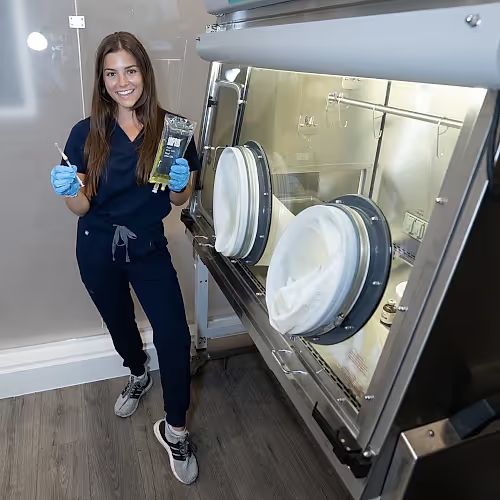
Sterile compounding standards are essential for preparing IV nutrient solutions. Reputable clinics follow established guidelines to minimize contamination risk. Staff should be trained to recognize early signs of infection or adverse reactions. Patients are encouraged to ask about cleaning practices and the use of single-use supplies. A clean, well-maintained environment is a sign of a clinic’s commitment to safety. Infection control is especially important for those with reduced immune function. Always choose a provider who can clearly explain their safety protocols.
Infection control is not just about the clinic environment; it also involves careful screening and monitoring of each patient. Before any IV therapy session, staff should review your recent health history, check for signs of infection, and confirm any necessary medical clearances. During the infusion, your vital signs and symptoms should be monitored closely. After the session, you should receive clear instructions on what symptoms to watch for and when to seek medical attention. This comprehensive approach helps reduce risks and supports a positive experience for immune-compromised clients.
Hydration IV therapy with oversight
Hydration IV therapy can help address dehydration from illness or treatment side effects. Medical oversight ensures that fluid and electrolyte levels are appropriate for your health status. This careful approach supports comfort and safety.
- Licensed staff required: Only trained professionals should administer IV therapy to immune-compromised clients.
- Strict infection control: Clinics must use single-use supplies and maintain a clean environment.
- Personalized protocols matter: Each IV drip should be tailored to your medical history and current needs.
- Ongoing monitoring essential: Vital signs and symptoms should be checked before, during, and after each session.
Immune support IV drip options
Immune support IV drips can include vitamin C, B-complex, magnesium, and zinc. Each ingredient is selected based on your unique needs. The goal is to support hydration, energy, and resilience.
Not every immune-compromised individual will benefit from the same IV protocol. Medical evaluation helps determine the safest and most effective approach. Always discuss your goals and concerns with your provider.
The experience of IV therapy varies from person to person. Some notice increased hydration or energy within hours, while others may feel subtle improvements over a day or two. It is important to have realistic expectations and understand that results are not guaranteed. Fatigue, mental clarity, and recovery comfort are commonly reported areas of improvement. However, underlying conditions such as anemia or active infection may limit the benefits. Your provider will help you track progress and adjust your plan as needed. Always prioritize communication and follow-up for the best outcomes.
Choosing the right IV therapy provider is a key step for immune-compromised individuals. Look for clinics with a strong reputation for safety, experienced staff, and a patient-centered approach. Ask about their intake process, infection control measures, and how they coordinate with your primary care provider. A transparent provider will welcome your questions and provide clear explanations. Your comfort and safety should always come first. Building a trusting relationship with your IV therapy team can make a significant difference in your overall experience.
Integrating IV therapy safely
Many clients in the Fort Lauderdale area appreciate the convenience of having specialized IV therapy close to home or while traveling. Whether you are recovering from illness, managing chronic fatigue, or seeking hydration support, access to experienced providers is invaluable. Clinics in this region are accustomed to working with a diverse clientele, including travelers and locals. This familiarity helps ensure that protocols are tailored to individual needs. Always confirm that your provider is willing to coordinate with your primary care provider for optimal safety.
Integrating IV therapy into your wellness routine should always be done with medical guidance. Start with a thorough intake and share your full medical history. Ongoing communication with your provider helps ensure that your care remains safe and effective. Adjustments may be needed as your health status changes.
Coordinating with your healthcare provider
Collaboration between your IV therapy provider and your primary healthcare team is essential for immune-compromised individuals. This ensures that all aspects of your care are aligned and that potential interactions or contraindications are addressed. Providers should review your medication list, recent lab results, and any ongoing treatments. Open communication helps you avoid complications and supports your overall wellness goals. Never hesitate to ask for updates or clarification about your care plan.
Your healthcare provider may include specialists such as oncologists, transplant physicians, or rheumatologists. Each plays a role in determining the safety and appropriateness of IV therapy for your situation. Coordination helps ensure that timing, dosing, and ingredient selection are compatible with your broader treatment plan. This team-based approach supports better outcomes and peace of mind. Always inform all members of your healthcare provider about any new therapies you are considering. Transparency and collaboration are key to safe, effective care.
Lab testing is often used to guide IV therapy decisions. Common labs include blood counts, kidney and liver function, and nutrient levels. These results help tailor your protocol and monitor progress over time.
Regular monitoring and follow-up are important for anyone receiving IV therapy. Your provider should track your symptoms, hydration status, and response to treatment. Adjustments can be made as needed to ensure ongoing safety and effectiveness.
Lifestyle and wellness support
IV therapy is just one part of a comprehensive wellness plan. Prioritize sleep, balanced nutrition, and hydration in your daily routine. Gentle movement and stress management also support immune health.
Infection prevention remains a top priority for immune-compromised individuals. Practice good hand hygiene, avoid sick contacts, and follow safe food practices. Mental health support, such as counseling or mindfulness, can help manage the emotional challenges of chronic illness. Your wellness plan should be holistic, addressing both physical and emotional needs. Work with your provider to identify supportive resources and strategies. Consistency in self-care habits can make a meaningful difference over time.
Building a safe IV plan
Start with conservative formulas and slow infusion rates. Evaluate your response before considering changes. Frequency should be based on your goals and clinical context.
Coordinate your IV therapy schedule with your healthcare provider’s recommendations. Reassess your plan regularly to ensure it remains appropriate for your health status. Keep your provider informed of any changes in your symptoms or medications. Adjust your protocol as needed for optimal results.
What to expect during IV therapy
Your first visit will include a thorough intake and review of your medical history. Vitals are checked before starting the infusion. The process is designed to be comfortable and supportive.
During the session, staff monitor your symptoms and adjust the pace as needed. Afterward, you may notice subtle improvements in hydration or energy. IV therapy for immunocompromised individuals is always tailored to your unique needs.
Potential side effects
Mild side effects can include bruising at the IV site or a cool sensation from the fluids. Some people experience temporary flushing or taste changes. Serious reactions are rare with proper screening.
Risk reduction is a shared responsibility between you and your provider. Always disclose your full medical history, medications, and supplements. Choose clinics that use single-use supplies and maintain strict infection control. Monitor for any unusual symptoms after your infusion and contact your provider if needed. Do not use IV therapy to push through severe symptoms or delay medical evaluation. Your safety and well-being should always come first.
Personalizing your IV experience
Every immune-compromised individual has unique needs and responses. Work closely with your provider to find the right protocol. Adjustments may be needed over time.
Track your symptoms and hydration status between sessions. Share any changes with your provider promptly. This ongoing feedback helps refine your care plan for the best possible outcomes.
Remember that IV therapy is just one tool in your wellness toolkit. Combine it with healthy lifestyle habits for the greatest benefit. Your provider can help you integrate these supports effectively.
Long-term wellness strategies
Consistency is key to supporting immune health over time. Maintain regular communication with your healthcare provider and adjust your wellness plan as needed. Focus on foundational habits like sleep, nutrition, and hydration. Incorporate stress management and gentle movement into your routine. These strategies work together to support resilience and recovery.
Set realistic expectations for your IV therapy experience. Improvements may be gradual and vary from person to person. Stay engaged with your provider and be open to adjusting your plan. Your long-term wellness is a collaborative effort.
If you are considering IV therapy as part of your immune support plan, start by consulting your healthcare team. Share your goals and concerns openly. Choose a clinic with a strong reputation for safety and individualized care. Ask about their protocols for infection control and medical oversight. Your provider should welcome your questions and provide clear guidance. Together, you can develop a plan that supports your unique needs.
Ongoing follow-up is essential for maintaining safety and effectiveness. Schedule regular check-ins with your provider to review your progress. Adjust your protocol as your health status changes. Stay informed about new developments in IV therapy and wellness. Your proactive approach helps ensure the best possible outcomes.
Take the next step toward wellness today
If you are ready to explore how IV therapy may fit into your wellness plan, start with a conversation. Our team is here to walk you through each step, from intake to follow-up, so you know exactly what to expect. Whether you are local to Fort Lauderdale or just passing through, we are committed to providing a safe, supportive experience. Schedule your visit in advance or stop by for a same-day appointment when available. Let us help you feel your best with a personalized, medically guided approach. Your journey to better wellness can start today.