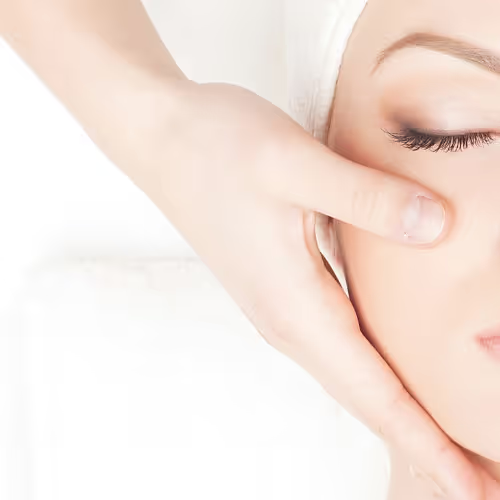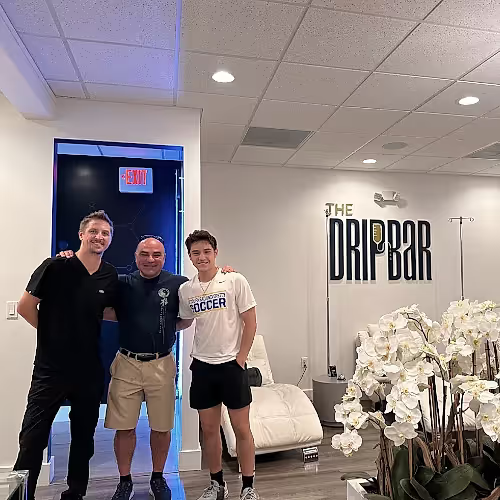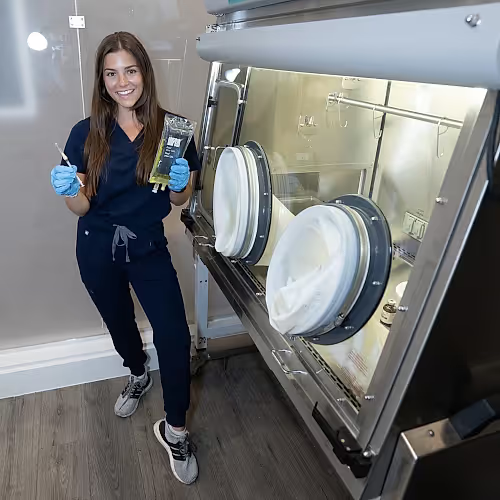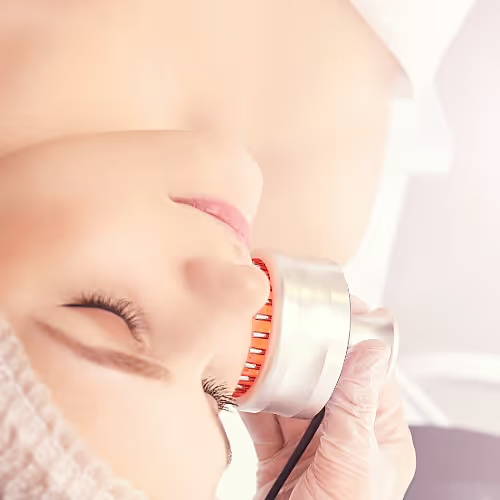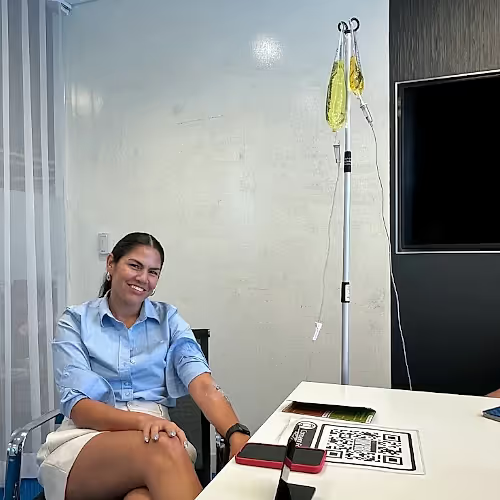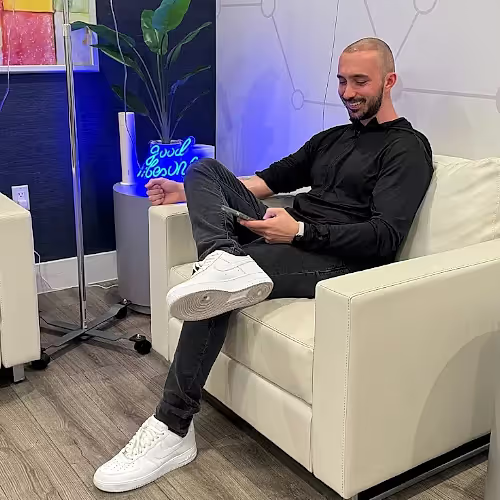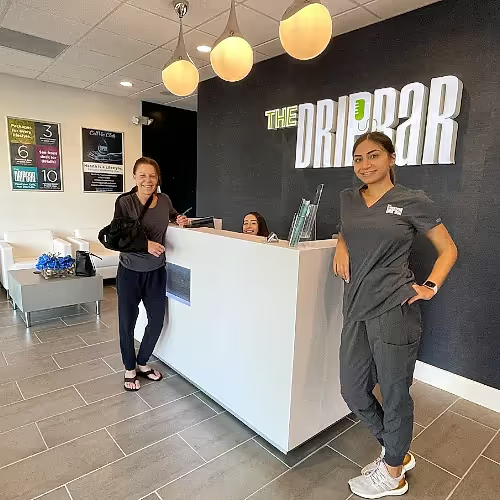

Located near the 17th Street Causeway, The DRIPBaR Fort Lauderdale welcomes both locals and travelers seeking advanced wellness options. Many guests stop in for a session between flights or after a day at Fort Lauderdale Beach, making it a convenient choice for those on the go. Our team is dedicated to creating a comfortable, spa-like environment with personalized care. If you are curious about the differences between red light vs near-infrared light 660nm 850nm, our staff can guide you through the benefits of each. Whether you are looking for a quick reset or ongoing support, we are here to help you feel your best.
How wavelengths affect your skin
Red light therapy at 660nm is visible and often chosen for skin-focused routines. This wavelength is commonly discussed for supporting skin texture, tone, and a refreshed appearance. Many clients appreciate how it fits into collagen-friendly routines and helps maintain a healthy glow. The sensation is usually mild, with a noticeable brightness when protective eyewear is used. Sessions are designed to be comfortable and easy to integrate into regular wellness habits.
Near-infrared light at 850nm is invisible to the eye but may feel gently warm during a session. This wavelength is frequently selected for deeper tissue recovery, muscle comfort, and joint support. Athletes and active individuals often use 850nm sessions as part of their recovery routines. The experience is subtle, with most clients reporting relaxation and a sense of readiness afterward. Both wavelengths can be combined for a more comprehensive approach to wellness.
660 850 nm light therapy benefits
Both 660nm and 850nm light therapy offer unique advantages for skin and recovery goals. The 660nm wavelength is often used to support smoother-looking skin and a refreshed glow. In contrast, 850nm is valued for its ability to reach deeper tissues and assist with recovery routines. Many full-body systems combine both wavelengths to maximize overall benefits.
Photobiomodulation 660 850 full body session
A full body session using both 660nm and 850nm wavelengths is designed to address a broad range of wellness goals. The visible red light at 660nm supports surface-level skin appearance and comfort, while the near-infrared 850nm penetrates deeper to assist with muscle and joint recovery. Clients often notice a calming effect, with some feeling mild warmth or relaxation during the session. Protective eyewear is always provided for comfort and safety. Many people find that combining both wavelengths creates a balanced experience that fits their lifestyle. Consistency is key, as regular sessions tend to yield the best results.
The science behind photobiomodulation focuses on how light energy is absorbed by cell components, especially mitochondria. This process may help support cellular energy production and local signaling related to recovery. By targeting both surface and deeper tissues, combination sessions offer a versatile approach to wellness routines.
Red light vs near infrared wavelength difference
The main difference between red light and near-infrared light lies in their wavelength and how deeply they penetrate the body. Red light at 660nm is visible and interacts mostly with the skin and superficial tissues, making it a popular choice for appearance-focused routines. Near-infrared light at 850nm is invisible and reaches deeper layers, supporting muscle and joint comfort. This distinction is important for clients deciding which wavelength aligns with their goals. While both types are non-invasive and comfortable, the sensations during a session can vary. Some people notice the brightness of red light, while others feel the gentle warmth of near-infrared. Using both together can address overlapping needs for skin and recovery.
Understanding the difference in penetration helps tailor sessions to individual needs. For those seeking a refreshed look, 660nm may be ideal. Clients focused on recovery or deeper tissue comfort often benefit from 850nm. Many wellness centers, including The DRIPBaR, recommend a combination approach for comprehensive support.
850nm near infrared therapy for recovery
Near-infrared therapy at 850nm is widely used for muscle recovery and joint comfort. This wavelength is valued for its ability to reach deeper tissues, supporting readiness after intense activity or travel. Many athletes and active clients choose 850nm sessions to complement their training and recovery routines. The sensation is usually a gentle warmth, with most people reporting relaxation and a calm, energized feeling afterward. Consistent use may help support tissue comfort and overall resilience. Pairing 850nm therapy with hydration, nutrition, and rest can enhance its supportive effects. It is often included in performance recovery stacks for those with demanding schedules.
Clients who prioritize recovery often notice benefits when they integrate 850nm sessions into their routine. These sessions are designed to be comfortable and adaptable, fitting easily into busy lifestyles. The focus is on supporting natural recovery pathways rather than replacing foundational wellness habits. Many find that combining 850nm therapy with other wellness services amplifies their results.
660nm red light therapy for skin
Many people exploring red light therapy are curious about red light vs near-infrared light 660nm 850nm. The 660nm wavelength is visible and often chosen for routines that focus on skin texture and glow. Consistent sessions can help support a refreshed appearance.
660nm red light is commonly used in facial and body routines that aim to support collagen-friendly habits and overall skin tone. Clients often report that their skin feels smoother and looks more radiant after regular sessions. This wavelength is gentle, making it suitable for those who want to maintain a healthy glow without discomfort. Protective eyewear is provided, and most people find the experience relaxing. Many choose to pair 660nm therapy with hydration and simple skincare for optimal results. The key is consistency, as benefits tend to build over time. For those seeking a non-invasive way to support their skin, 660nm therapy is a practical choice.
Red light session benefits
Red light sessions offer a range of supportive benefits for skin and overall wellness. Clients often notice a gentle, calming sensation during treatment, which can help promote relaxation. Over time, many report improvements in skin texture, tone, and a refreshed look. These sessions are designed to fit easily into regular routines, making them accessible for busy individuals. The non-invasive nature means there is no downtime, so clients can return to their day immediately. Many appreciate the combination of comfort and visible results. For those interested in appearance-focused routines, red light therapy is a valuable addition.
- Skin texture support: 660nm may help maintain a smoother look.
- Glow routine boost: Consistent use can enhance skin radiance.
- Collagen-friendly option: Supports routines aimed at firmness and tone.
- Gentle experience: Most clients find sessions relaxing and comfortable.
- Non-invasive approach: No downtime is needed after treatment.
- Routine-friendly: Fits easily into weekly wellness habits.
Red light vs near infrared wavelength difference
The difference between red and near-infrared light is more than just visibility. Red light at 660nm is seen as bright red, while 850nm near-infrared is invisible but penetrates deeper. This distinction shapes how each wavelength supports wellness goals.
Choosing between these wavelengths depends on your priorities. Those focused on skin appearance may prefer 660nm, while recovery routines often benefit from 850nm. Many clients opt for combination sessions to address both needs.
Understanding the unique properties of each wavelength helps tailor sessions for the best results. Red light is often chosen for its visible effects on skin, while near-infrared is valued for deeper tissue support. Both are non-invasive and designed for comfort. The sensations during a session can vary, with red light feeling bright and near-infrared producing gentle warmth. Combining both offers a balanced approach to wellness.
Clients who consistently use red light therapy often notice gradual improvements in skin texture and overall glow. The benefits of 660nm sessions tend to build over time, especially when paired with good hydration and skincare habits. Many find that regular use supports their appearance goals without disrupting their daily routine. The process is simple, comfortable, and fits easily into busy schedules. For those seeking a practical way to support skin health, red light therapy is a reliable choice.
Combining 660 and 850nm wavelengths
Many clients visiting from Fort Lauderdale Beach or nearby neighborhoods appreciate the convenience of combining both wavelengths in one session. Using 660nm and 850nm together allows for support of both skin appearance and deeper recovery goals. This approach is especially popular among those with mixed wellness priorities, such as maintaining a healthy glow while also supporting muscle readiness. The DRIPBaR’s dedicated red light room makes it easy to experience both benefits in a comfortable setting. For travelers or locals alike, this combination offers a versatile solution.
Combining red and near-infrared light is a practical way to address overlapping wellness needs. The 660nm wavelength supports surface-level goals, while 850nm reaches deeper tissues. Many clients find that this dual approach fits their lifestyle and delivers a more comprehensive experience. Sessions are designed to be comfortable and adaptable. Consistency remains the key to seeing ongoing benefits.
Red light vs near infrared wavelength difference
The distinction between red and near-infrared wavelengths is central to how each supports wellness. Red light at 660nm is visible and interacts mainly with the skin, making it ideal for appearance-focused routines. Near-infrared at 850nm is invisible and penetrates deeper, targeting muscles and joints. This difference allows clients to choose sessions that align with their specific goals. Many find that alternating or combining both wavelengths provides the best of both worlds. The DRIPBaR team can help tailor sessions to your needs.
Clients often ask which wavelength is best for their goals. The answer depends on whether they are seeking skin support, recovery, or both. Red light is commonly chosen for its visible effects on skin, while near-infrared is preferred for deeper comfort. Many wellness routines benefit from a combination approach. The key is to match the session to your personal priorities and maintain consistency for best results.
Photobiomodulation 660 850 full body session
A full body session using both 660nm and 850nm wavelengths is designed to maximize wellness support. Clients experience the visible effects of red light on skin and the deeper benefits of near-infrared for recovery. The session is comfortable, with most people reporting relaxation and a sense of renewal. Protective eyewear ensures safety throughout. Many find that regular sessions help maintain both appearance and readiness. The DRIPBaR’s spa-like environment enhances the overall experience.
Full body sessions are popular among those with busy lifestyles who want efficient, comprehensive wellness support. The combination of 660nm and 850nm addresses both surface and deeper tissue needs. Clients appreciate the flexibility to tailor sessions based on changing goals. The process is non-invasive and fits easily into regular routines. Many report feeling refreshed and ready to take on the day after each visit. Consistency and comfort are always prioritized.
Combining both wavelengths is a straightforward way to support multiple wellness goals. The DRIPBaR’s dedicated red light room makes this option accessible and comfortable. Many clients enjoy pairing sessions with other services for a complete experience. The focus is always on supporting your routine in a way that feels sustainable.
660nm red light therapy for skin
660nm red light is a popular choice for those seeking to support skin texture and glow. Many clients notice a refreshed appearance after consistent sessions. The treatment is gentle and fits easily into regular routines.
Clients who prioritize skin appearance often find that 660nm therapy complements their daily habits. The visible red light is commonly discussed for supporting collagen-friendly routines and overall tone. Sessions are comfortable and designed to be relaxing. Many choose to pair red light therapy with hydration and gentle skincare for best results. The key is to maintain a steady routine over time. For those seeking a non-invasive way to support skin goals, 660nm therapy is a practical option.
Red light therapy is accessible to people with a range of wellness priorities. Whether you are focused on appearance, recovery, or both, sessions can be tailored to your needs. The DRIPBaR’s team is available to answer questions and help you get started. Many clients appreciate the flexibility and comfort of the experience. Consistency is encouraged for ongoing support.
Clients who use red light therapy regularly often notice gradual improvements in skin texture and overall wellness. The benefits of 660nm sessions build over time, especially when paired with healthy habits. Many find that the process is simple and fits easily into their schedule. The focus is always on supporting your goals in a comfortable way. For those seeking a practical addition to their wellness routine, red light therapy is a valuable choice.
660 850 nm light therapy benefits
Both 660nm and 850nm light therapy offer unique support for skin and recovery. The combination addresses a wide range of wellness goals. Many clients find that regular sessions enhance their overall experience.
Clients often ask about red light vs near-infrared light 660nm 850nm when deciding which session to try. The 660nm wavelength is commonly chosen for skin-focused routines, while 850nm is preferred for deeper recovery. Using both can provide a balanced approach.
Many people notice subtle improvements after just a few sessions. The effects tend to build with consistency. Combining both wavelengths is a practical way to support multiple goals.
850nm near infrared therapy for recovery
Near-infrared therapy at 850nm is valued for its ability to reach deeper tissues and support recovery routines. Many athletes and active clients include 850nm sessions in their wellness plans. The sensation is usually a gentle warmth, with most people reporting relaxation and readiness afterward. Consistency is important for ongoing support. Pairing 850nm therapy with other wellness habits can enhance its effects.
Clients who focus on recovery often find that 850nm therapy fits easily into their routine. The wavelength is designed to support muscle comfort and tissue readiness. Sessions are comfortable and adaptable, making them suitable for busy lifestyles. Many choose to combine 850nm therapy with hydration, nutrition, and rest for optimal results. The experience is non-invasive and requires no downtime. Regular use may help maintain a sense of resilience. For those seeking a practical recovery tool, 850nm therapy is a strong option.
- Deeper tissue support: 850nm reaches muscles and joints for recovery routines.
- Performance stack addition: Complements hydration and mobility work.
- Relaxation benefit: Many clients feel calm and refreshed after sessions.
- Routine flexibility: Fits easily into busy schedules and training plans.
Photobiomodulation 660 850 full body session
A full body session using both 660nm and 850nm wavelengths is designed to support a wide range of wellness goals. Clients experience the visible effects of red light on skin and the deeper benefits of near-infrared for recovery. The session is comfortable, with most people reporting relaxation and a sense of renewal. Protective eyewear ensures safety throughout. Many find that regular sessions help maintain both appearance and readiness. The DRIPBaR’s spa-like environment enhances the overall experience.
Full body sessions are popular among those with busy lifestyles who want efficient, comprehensive wellness support. The combination of 660nm and 850nm addresses both surface and deeper tissue needs. Clients appreciate the flexibility to tailor sessions based on changing goals. The process is non-invasive and fits easily into regular routines. Many report feeling refreshed and ready to take on the day after each visit. Consistency and comfort are always prioritized. The DRIPBaR team is available to answer questions and help you get started.
Combining both wavelengths is a straightforward way to support multiple wellness goals. The DRIPBaR’s dedicated red light room makes this option accessible and comfortable. Many clients enjoy pairing sessions with other services for a complete experience. The focus is always on supporting your routine in a way that feels sustainable.
660nm red light therapy for skin
660nm red light is a popular choice for those seeking to support skin texture and glow. Many clients notice a refreshed appearance after consistent sessions. The treatment is gentle and fits easily into regular routines. Sessions are designed to be comfortable and relaxing. Pairing red light therapy with hydration and gentle skincare can enhance results. For those seeking a non-invasive way to support skin goals, 660nm therapy is a practical option.
Clients who prioritize skin appearance often find that 660nm therapy complements their daily habits. The visible red light is commonly discussed for supporting collagen-friendly routines and overall tone. Sessions are comfortable and designed to be relaxing.
Start your wellness journey today
If you are interested in exploring red and near-infrared light therapy, The DRIPBaR Fort Lauderdale team is ready to help. We are happy to answer your questions and provide more details about our services. Reach out today or stop by to learn how these therapies can fit into your routine.
Red and near-infrared light therapy offer a flexible, non-invasive way to support your wellness goals. Whether you are focused on skin appearance, recovery, or both, our team can help you find the right approach. We encourage you to ask questions, try a session, and see how these therapies can complement your lifestyle. Remember, consistency is key for the best results. We look forward to welcoming you at The DRIPBaR Fort Lauderdale and supporting your journey toward better health.