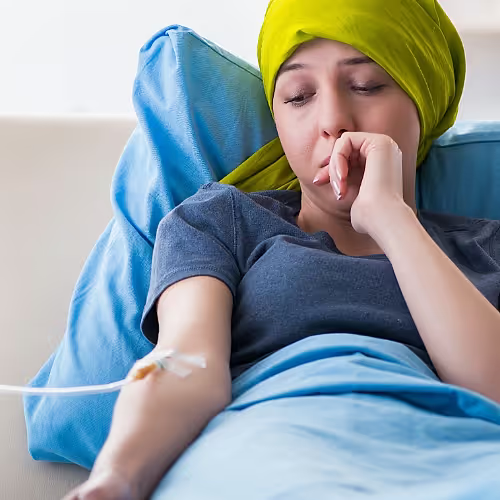

Can cancer treatment leave you drained?
Fatigue and low energy are common during and after cancer treatment. Many people find it challenging to maintain strength and hydration as their bodies recover. Supportive therapies may help ease these effects and improve daily comfort.
Support Recovery and Restore Vitality
Targeted wellness support.
The DRIPBaR helps people facing cancer care support by offering IV therapies designed to replenish nutrients, support immune health, and reduce treatment-related fatigue. These therapies can help restore hydration, improve energy, and promote tissue repair after challenging treatments. By delivering essential vitamins and antioxidants directly into the bloodstream, clients may experience improved resilience and a better sense of well-being. Each session is tailored to support recovery and help maintain quality of life.
Clients at The DRIPBaR Fort Lauderdale can access supportive care that complements their oncology plan and addresses the unique needs of cancer survivors and those at risk. Licensed providers oversee every session to ensure safety and comfort. If you are seeking ways to feel stronger and more balanced during or after cancer treatment, consider scheduling an appointment today.
Did you know?
Cancer treatments can deplete essential nutrients and hydration, making supportive care important for recovery.
Understanding Cancer Care Support
Cancer care addresses the challenges of abnormal cell growth and the effects of treatments like chemotherapy, radiation, and surgery. These therapies are designed to target cancer cells but can also impact healthy tissues, leading to fatigue, immune suppression, and nutrient loss. The body’s ability to recover depends on restoring balance, supporting immune health, and replenishing vital nutrients. Integrative approaches focus on helping the body recover and maintain resilience during and after treatment.
Common triggers for increased risk include genetics, lifestyle factors, and environmental exposures. Managing cancer care involves regular medical treatments, healthy nutrition, exercise, and proactive wellness strategies. Supportive therapies can help address side effects and improve quality of life. Responsible prevention includes regular checkups, avoiding known risk factors, and seeking guidance from healthcare professionals.
Symptoms of Treatment Side Effects
Fatigue is one of the most common symptoms experienced during cancer care, often making daily activities more difficult. Many people also notice increased dehydration, muscle weakness, and a general sense of low energy. These symptoms can fluctuate depending on treatment cycles and individual health status. Addressing them early can help maintain a better quality of life.
Immune suppression is another frequent concern, as treatments may lower the body’s natural defenses. This can lead to a higher risk of infections, slower wound repair, and increased inflammation. Some individuals experience changes in appetite, digestive discomfort, or skin sensitivity. Recognizing these patterns can help guide supportive care choices.
Mental clarity and mood may also be affected, with some people reporting brain fog or emotional ups and downs. Sleep disturbances and muscle cramps are not uncommon, especially after intensive therapies. Monitoring these symptoms and seeking support can make it easier to adapt to changes. Open communication with healthcare providers ensures that symptoms are managed safely and effectively.
Traditional Treatments
Standard cancer care typically involves a combination of surgery, chemotherapy, radiation therapy, targeted medications, and immunotherapy. These treatments are designed to control or eliminate cancer cells, but they can also affect healthy tissues, leading to side effects such as fatigue, dehydration, and immune suppression. Supportive care is often recommended to help manage these effects and maintain overall well-being. Nutritional counseling, physical therapy, and psychosocial support are commonly included in comprehensive care plans. Many individuals benefit from hydration therapy, symptom management, and regular monitoring by their healthcare team. Integrative approaches may include supervised IV therapies, stress reduction techniques, and gentle exercise as tolerated. It is important to coordinate any supportive therapy with the oncology team to ensure safety and effectiveness. Each person’s treatment plan is tailored to their unique needs, medical history, and goals for recovery.
How IV Therapy May Help
IV therapy at The DRIPBaR delivers nutrients, antioxidants, and hydration directly into the bloodstream, which can help replenish what is lost during cancer treatment. This approach supports immune function, reduces oxidative stress, and helps the body recover from fatigue and inflammation. Licensed providers monitor each session to ensure comfort and safety. Many clients find that regular sessions help them feel more balanced and resilient. These therapies are designed to complement, not replace, traditional cancer treatments. By providing targeted support, IV infusions may improve energy, promote tissue repair, and help manage side effects. Every plan is tailored to individual needs and coordinated with medical guidance. This integrative care model aims to enhance quality of life throughout the recovery process.
Nutrient Support for Recovery and Wellness
Targeted infusions can help restore hydration, support immune health, and promote recovery after cancer treatment. These therapies deliver essential nutrients directly to the body for optimal absorption. Many people find this approach helps them feel stronger and more resilient.
Allergy
Allergy therapy provides a blend of antioxidants and essential vitamins to support immune function and reduce inflammation. Nutrients such as Ascorbic Acid, Methylcobalamin, and B-Complex work together to promote tissue repair and respiratory comfort. Delivered intravenously, this therapy offers faster absorption than oral supplements. It is designed to help restore energy and reduce discomfort related to immune challenges. This approach supports overall wellness and may improve daily functioning. Allergy therapy is suitable for adults seeking natural support for immune balance and tissue health.
Glutathione
Glutathione
Glutathione is a master antioxidant delivered via IV to support the body’s detoxification and cellular repair processes. This therapy enhances immune resilience and reduces oxidative stress, which can improve skin tone and overall vitality. By bypassing digestion, it ensures immediate availability for systemic benefits. It is suitable for individuals seeking to support their natural defense mechanisms and promote long-term wellness. The infusion is administered by licensed providers in a comfortable setting.
High Dose Vitamin C
High Dose Vitamin C delivers a concentrated blend of ascorbic acid, magnesium, calcium, and potassium directly into the bloodstream. This method bypasses digestive limitations to provide enhanced nutrient levels quickly. The infusion supports antioxidant defenses, immune cell activity, and collagen synthesis. It may help reduce oxidative stress and promote tissue repair. This therapy is often used to support recovery and overall wellness. Individual responses vary based on health status and treatment goals. It is administered under professional supervision for safety and comfort.
HIGHLY recommend this place. super friendly and accommodating staff, very clean all the way around, has the best seats everrrr and they have all the IV bags and add ons you could ever want! def check this place out(:
Amazing customer service. Very helpful and nice. The process was super easy and quick. The products are wonderful.
Ready to Get Started?
Feel your best with a treatment designed to support your goals! Whether you’re looking for hydration, energy, immune support, recovery, or overall wellness, our team will help you choose the right option and make sure your experience is comfortable from start to finish. Click the Book Appointment button below to pick your reserve a time that fits your schedule.
How can Cancer Care Support be personalized for my needs?
Cancer care can be tailored based on your treatment plan, symptoms, and recovery goals. Licensed providers assess your health status and coordinate with your oncology team. This ensures therapies align with your medical needs and preferences. Personalization helps maximize comfort and support during recovery.
How does better sleep support results with Cancer Care Support?
Quality sleep is essential for recovery and immune function during cancer care. Restful sleep helps the body repair tissues and manage fatigue. Supportive therapies may promote relaxation and improve sleep quality. Consistent rest can enhance the benefits of your overall care plan.