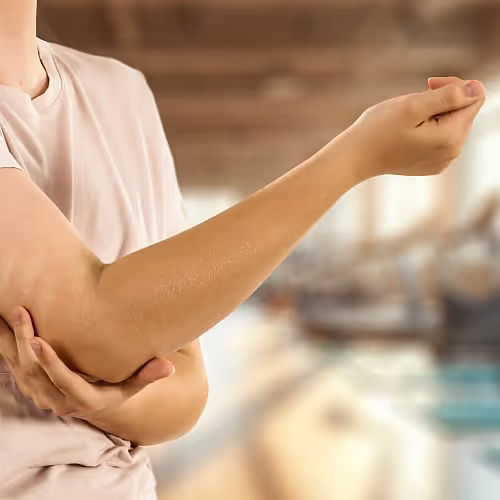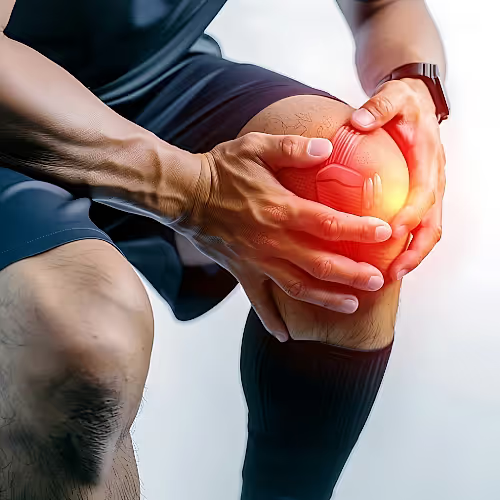

Struggling with sudden joint pain?
Traditional pain relievers may not always address the underlying inflammation that causes joint discomfort. Some individuals find that targeted nutrient support can help ease symptoms and promote recovery. Magnesium is one ingredient that may help reduce joint stiffness and support comfort during flare-ups.
Find Relief and Restore Joint Comfort
Support for joint health.
Managing gout can be challenging, especially when flare-ups disrupt daily life and limit mobility. The DRIPBaR offers wellness services that focus on reducing inflammation, supporting tissue repair, and promoting joint comfort. By delivering hydration and essential nutrients directly to your system, these therapies may help ease swelling and support recovery between attacks. Integrative approaches can complement your existing care plan for a more balanced recovery.
At The DRIPBaR Fort Lauderdale, you can access wellness options designed to help manage discomfort and support long-term joint health. These services may be especially helpful for adults experiencing recurrent flare-ups or seeking natural ways to enhance their recovery. Our team provides guidance on how to incorporate these therapies into your routine. Book your appointment today to explore supportive options for joint wellness.
Did you know?
Gout most often affects men over 40 and postmenopausal women, but can occur at any age.
Understanding Gout and Its Triggers
Gout is a type of inflammatory arthritis caused by excess uric acid in the bloodstream, which leads to the formation of sharp urate crystals in the joints. These crystals trigger sudden episodes of intense pain, swelling, redness, and reduced mobility, most commonly in the big toe but also in other joints. The buildup of uric acid can result from overproduction, decreased kidney excretion, or a combination of both. If left unmanaged, gout may progress to chronic joint issues and even kidney stones.
Common triggers for gout include diets high in purines, dehydration, obesity, certain medications, and metabolic conditions like hypertension or diabetes. Managing gout involves both addressing acute flare-ups and making long-term lifestyle changes. Staying hydrated, maintaining a healthy weight, and following a balanced diet can help reduce the risk of attacks. Early intervention and consistent management are key to minimizing complications.
Common Symptoms of Gout
Gout typically presents with sudden, severe pain in one or more joints, often starting at night. The affected area may become red, swollen, and warm to the touch, making movement difficult. These acute episodes can last for several days and may resolve on their own, but the discomfort can be intense. Some people experience lingering joint tenderness even after the flare subsides.
Recurrent flare-ups are common, especially if underlying risk factors are not addressed. Over time, repeated attacks can lead to chronic inflammation and joint stiffness. This may result in reduced mobility and difficulty performing daily activities. The frequency and severity of symptoms can vary widely among individuals.
In advanced cases, gout can cause visible lumps of urate crystals, known as tophi, to develop under the skin. Chronic gout may also contribute to joint deformities and increase the risk of kidney stones. Early recognition and management of symptoms are important to help avoid long-term complications. Monitoring your health and seeking timely support can help maintain joint function.
Traditional Treatments
Conventional care for gout focuses on relieving pain and controlling inflammation during acute flare-ups. Nonsteroidal anti-inflammatory drugs (NSAIDs), corticosteroids, and colchicine are commonly prescribed to manage these symptoms. For long-term management, medications that lower uric acid levels, such as allopurinol or febuxostat, may be recommended to reduce the risk of future attacks. Lifestyle modifications play a crucial role in managing gout. Increasing hydration, maintaining a healthy weight, and following a low-purine diet can help lower uric acid levels naturally. Regular monitoring and working closely with your healthcare provider are important for adjusting treatment as needed. Complementary wellness approaches may provide additional support but should be used alongside, not in place of, standard medical care.
How IV Therapy May Help
Wellness services at The DRIPBaR are designed to deliver hydration and targeted nutrients that may help reduce inflammation and support joint recovery. These therapies can provide minerals and antioxidants directly to your system, which may assist in easing discomfort and promoting tissue repair. Some individuals notice improved mobility and comfort shortly after sessions, while others may experience gradual benefits over time. Our approach emphasizes safety, monitoring, and adapting care to your needs. Consistent use of these services may help support your body’s natural recovery processes between gout flare-ups. By focusing on hydration and nutrient balance, you may find it easier to manage swelling and stiffness. Our team encourages you to pay attention to how you feel after each session and to communicate any changes. This collaborative approach helps ensure your wellness plan remains effective and responsive to your goals.
Supportive Options for Joint Wellness
Certain wellness offerings can help reduce inflammation and promote joint comfort. These options may provide hydration, minerals, and antioxidants to support recovery. Integrating these therapies into your routine can complement your overall joint health plan.
Soother
Soother provides a targeted blend of nutrients to help calm the nervous system and ease muscle tension. This infusion includes Magnesium, Ascorbic Acid, Methylcobalamin, and B-Complex vitamins to support mental balance and improve sleep quality. It delivers hydration and essential vitamins directly into the bloodstream for faster absorption. The therapy is designed to help reduce stress-related symptoms and promote mental clarity. Suitable for individuals seeking gentle, non-sedating support for overall wellness and recovery.
HIGHLY recommend this place. super friendly and accommodating staff, very clean all the way around, has the best seats everrrr and they have all the IV bags and add ons you could ever want! def check this place out(:
Amazing customer service. Very helpful and nice. The process was super easy and quick. The products are wonderful.
Ready to Get Started?
Feel your best with a treatment designed to support your goals! Whether you’re looking for hydration, energy, immune support, recovery, or overall wellness, our team will help you choose the right option and make sure your experience is comfortable from start to finish. Click the Book Appointment button below to pick your reserve a time that fits your schedule.