
Can daily fatigue be managed?
Many people notice fatigue and brain fog as Parkinson’s progresses. These symptoms can appear suddenly or build up over time. Finding ways to manage them safely is important for daily life.
Support for Mind and Body Wellness
Targeted support options.
When living with Parkinson’s Disease, maintaining energy and mental clarity can be challenging. The DRIPBaR offers IV therapies designed to provide targeted nutrients that support neurological health and help reduce oxidative stress. These therapies may help ease fatigue, support muscle relaxation, and promote overall well-being. While not a replacement for traditional care, they can complement your existing routine for a more balanced approach.
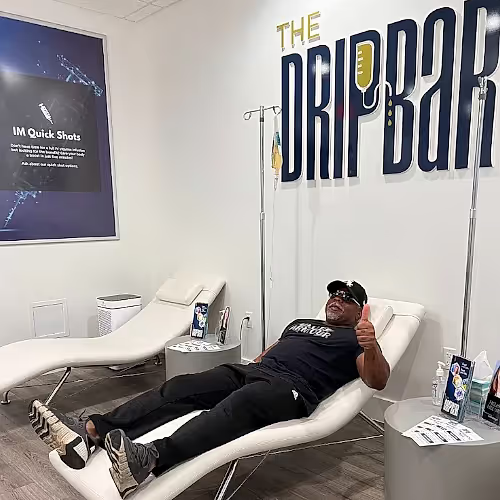
At The DRIPBaR Fort Lauderdale, clients receive IV nutrient therapy in a safe and supportive environment. Each session is tailored to individual needs, focusing on comfort and ongoing wellness. Consistent care can help you feel more in control of your daily symptoms. Book your appointment today to explore supportive options.
Did you know?
Parkinson’s Disease often includes non-motor symptoms like fatigue, sleep changes, and mood shifts, not just movement issues.
Understanding Parkinson's Disease
Parkinson’s Disease is a progressive neurological disorder that affects movement and coordination. It results from the gradual loss of dopamine-producing neurons in a specific area of the brain, leading to symptoms like tremors, muscle stiffness, and slowed movement. As the condition advances, non-motor symptoms such as fatigue, mood changes, and cognitive difficulties can also become prominent. The progression and severity of symptoms can vary widely from person to person.
Common triggers include genetic factors, environmental exposures, and oxidative stress, though the exact cause is not fully understood. Managing Parkinson’s often involves a combination of medication, physical activity, and supportive therapies. Early intervention and a consistent care routine can help maintain independence and quality of life. Working closely with healthcare providers ensures that care is tailored to each individual’s changing needs.
Symptoms of Parkinson's Disease
What are the most noticeable symptoms of Parkinson’s Disease? The earliest signs often include tremors, muscle rigidity, and slowed movements. These symptoms can make daily tasks more difficult and may appear gradually. Over time, balance issues and changes in posture can also develop.
How do non-motor symptoms affect daily life? Many people experience fatigue, sleep disturbances, and mood changes such as depression or anxiety. These symptoms can be just as challenging as movement problems and may fluctuate in severity. Cognitive changes, including memory or concentration difficulties, are also possible.
Are symptoms the same for everyone? No, the pattern and progression of symptoms can differ greatly. Some may notice mild symptoms for years, while others experience more rapid changes. Regular monitoring and open communication with healthcare providers help address new or worsening symptoms.
Traditional Treatments
When is care for Parkinson's Disease typically started? Most people begin treatment when symptoms start to interfere with daily activities. Medications like levodopa, dopamine agonists, and MAO-B inhibitors are commonly prescribed to help manage movement-related symptoms. Physical therapy and regular exercise are also important parts of care, supporting mobility and flexibility. Lifestyle adjustments, such as a balanced diet and stress management, can further enhance well-being. What other approaches are available? Supportive therapies, including occupational and speech therapy, can address specific challenges like fine motor skills or communication. Some individuals may benefit from counseling or support groups to manage mood changes. Advanced cases might consider surgical options, such as deep brain stimulation, under the guidance of a medical team. Ongoing evaluation ensures that treatment plans remain effective as needs change.
How IV Therapy May Help
Managing Parkinson's Disease often means addressing both physical and mental fatigue, which can impact daily life. The DRIPBaR offers IV therapies that deliver nutrients directly into the bloodstream, supporting neurological health and helping to reduce oxidative stress. This approach allows for consistent dosing and may help ease symptoms like tiredness and muscle stiffness. Regular sessions can provide a steady foundation for overall wellness. Our therapies are designed to complement traditional treatments, not replace them. By focusing on hydration, antioxidants, and essential nutrients, we aim to support your body's natural resilience. Each session is supervised by licensed providers to ensure safety and comfort. Consistency and a holistic approach are key to supporting long-term quality of life.
Nutrient Support for Neurological Health
Specialized IV therapies provide antioxidants and nutrients that may help support neurological function and reduce fatigue.
Alpha Lipoic Acid (ALA)
Alpha Lipoic Acid (ALA) is a unique antioxidant that supports energy production and cellular health. It works within both water and fat environments to regenerate other antioxidants and reduce oxidative stress. This IV therapy enhances mitochondrial function and supports metabolic regulation. It also helps protect nerve tissue from oxidative damage. Delivered directly into the bloodstream, it offers efficient absorption and systemic benefits. This therapy is designed to support overall wellness and energy levels. It may be suitable for those seeking targeted antioxidant and metabolic support.
NAD+
Nicotinamide Adenine Dinucleotide (NAD) is a critical coenzyme involved in energy production and DNA repair. Intravenous delivery ensures rapid absorption to support mitochondrial function and cellular resilience. This therapy may help improve mental clarity, focus, and reduce fatigue. It supports neurological health by enhancing neurotransmitter synthesis and oxidative balance. Suitable for individuals seeking to optimize energy and cognitive performance, this infusion offers a foundational approach to wellness.
Read moreTime Machine
Time Machine is a targeted IV infusion that delivers essential nutrients directly into the bloodstream to support cellular repair and energy metabolism. Key ingredients such as Ascorbic Acid, L-Arginine, and Magnesium provide antioxidant protection and promote vascular health. This therapy aims to improve mental clarity, reduce fatigue, and enhance skin vitality. It is suitable for adults seeking to maintain wellness and support recovery from stress or illness. The infusion bypasses digestive limitations for optimal nutrient absorption. Regular treatments may help sustain long-term health and resilience.
HIGHLY recommend this place. super friendly and accommodating staff, very clean all the way around, has the best seats everrrr and they have all the IV bags and add ons you could ever want! def check this place out(:
Amazing customer service. Very helpful and nice. The process was super easy and quick. The products are wonderful.
Read more
Ready to Get Started?
Feel your best with a treatment designed to support your goals! Whether you’re looking for hydration, energy, immune support, recovery, or overall wellness, our team will help you choose the right option and make sure your experience is comfortable from start to finish. Click the Book Appointment button below to pick your reserve a time that fits your schedule.
How can nutrition be adapted for Parkinson's Disease?
Nutrition for Parkinson’s Disease focuses on supporting brain health and energy levels. A balanced diet rich in antioxidants and vitamins is recommended. Some people may benefit from targeted nutrient therapies. Always consult your healthcare provider before making dietary changes.
How do seasonal changes affect older adults with movement challenges?
Seasonal changes can influence symptoms like stiffness and fatigue in older adults. Colder weather may increase muscle rigidity, while heat can worsen tiredness. Adjusting routines and staying hydrated can help manage these effects. It’s important to monitor symptoms and adapt as needed.
How can routines be adapted to maintain stamina?
Maintaining stamina often requires a consistent daily routine with built-in rest periods. Gentle exercise and proper hydration support energy levels. Listening to your body’s signals is important. Adjust your activities as needed to avoid overexertion.