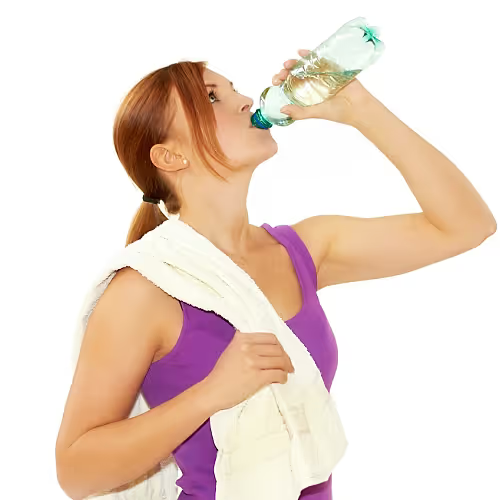

Struggling to bounce back quickly?
Feeling sore or fatigued after exercise is common, but it can slow your progress. Many people want to recover so they can stay active and meet their goals. Learning how to support your body’s natural recovery process may help you feel better between workouts.
Support Recovery and Reduce Fatigue
Advanced recovery support.
The DRIPBaR helps support post-workout recovery by providing hydration and essential nutrients that may assist with muscle repair and energy restoration. Our approach focuses on replenishing fluids and electrolytes lost during exercise, which can help reduce soreness and fatigue. By delivering nutrients directly, we aim to promote a quicker return to your fitness routine. This supportive care is designed for those seeking to optimize their recovery and maintain consistent performance.
Clients at The DRIPBaR Fort Lauderdale can benefit from a personalized recovery plan tailored to their activity level and goals. Our team works with you to address your unique needs after intense training or competition. Book your appointment today to experience how targeted support may help you recover more comfortably. Take the next step toward improved post-workout wellness.
Did you know?
Intense exercise can deplete fluids and nutrients, making effective recovery strategies important for reducing soreness and fatigue.
Understanding post-workout recovery
Post-workout recovery is the body’s process of repairing muscle tissue, restoring energy stores, and rehydrating after physical activity. During exercise, fluids and electrolytes are lost through sweat, and muscles experience small amounts of damage that need time and nutrients to recover. Effective recovery involves rehydration, nutrient replenishment, and managing inflammation to help the body return to peak condition. Addressing these needs promptly can support better performance and overall wellness.
Common triggers for delayed recovery include inadequate hydration, insufficient nutrient intake, and overtraining. Managing recovery involves a combination of rest, balanced nutrition, and supportive therapies. Recognizing when your body needs extra support may help you avoid fatigue and reduce the risk of injury. Consistent recovery strategies are important for anyone with an active lifestyle.
Symptoms of Delayed Recovery
Muscle soreness is a frequent symptom after intense or unfamiliar exercise, often peaking within one to two days. This discomfort may be accompanied by stiffness, making it harder to move freely or return to activity. Fatigue is another common sign, as the body uses up energy stores and needs time to replenish them. Some people may also notice mild swelling or tenderness in the muscles they used most.
Other symptoms can include dehydration, which may present as thirst, headache, or lightheadedness. When fluids and electrolytes are not replaced, you might feel more tired or less focused than usual. Delayed recovery can also lead to a sense of sluggishness or reduced motivation to exercise. These effects are usually temporary and improve with proper care.
In some cases, inadequate recovery may increase the risk of minor injuries or make it harder to achieve fitness goals. Paying attention to how your body feels after workouts helps you recognize when extra support is needed. Early intervention with hydration and nutrient replenishment can help reduce the duration and severity of symptoms. Listening to your body and adjusting your routine as needed supports long-term progress.
Traditional Treatments
Traditional approaches to post-workout recovery include rest, proper hydration, and balanced nutrition. Many people use methods like stretching, foam rolling, and gentle movement to ease muscle soreness and promote circulation. Sleep is also a key factor, as it allows the body time to repair and rebuild tissues. Some individuals incorporate protein-rich foods, electrolyte drinks, or supplements to support muscle repair and energy restoration. Massage, compression, and other supportive therapies may also be used to reduce discomfort and supports recovery. It is important to listen to your body and adjust your routine based on how you feel. Consulting with a healthcare provider can help you develop a safe and effective recovery plan.
How IV Therapy May Help
Are you looking for ways to support your recovery after exercise? The DRIPBaR offers services designed to deliver hydration and nutrients directly, which may help your body replenish what is lost during intense activity. Our approach aims to reduce post-exercise soreness and fatigue by targeting the underlying needs of muscle and energy restoration. Each session is supervised by licensed providers to ensure your comfort and safety. Clients benefit from personalized plans that consider their activity level and recovery goals. IV therapy allows for controlled dosing of key nutrients, supporting the body’s natural repair processes. While results can vary, many people find that combining hydration and nutrient support helps them feel ready for their next workout. Our team is here to guide you through options that fit your lifestyle and wellness priorities.
Supportive Options for Recovery
A range of wellness services can help address hydration, nutrient replenishment, and muscle recovery after exercise. These offerings are designed to support your body’s natural repair processes and may reduce downtime between workouts. Personalized plans are available to fit your recovery needs.
Compression Boots
NormaTec Compression Boots deliver sequential air pressure to the legs, mimicking natural muscle pumps to improve blood flow and lymphatic drainage. This non-invasive therapy helps reduce muscle soreness and swelling while enhancing flexibility and mobility. It is suitable for athletes, travelers, and individuals seeking gentle recovery support. The treatment is comfortable and passive, allowing clients to relax during sessions. It complements other wellness therapies and promotes overall leg health without exertion.
Read moreHydrafacial
Hydrafacial offers a comprehensive skincare approach by combining cleansing, exfoliation, and targeted serum infusion. This non-invasive treatment helps improve skin texture and hydration using ingredients such as peptides and hyaluronic acid. It is suitable for various skin types and provides immediate visible results. The process is comfortable and requires no downtime, making it convenient for regular maintenance. Clients often experience smoother, more balanced skin after a single session. This treatment supports ongoing skin health and vitality. It is an effective option for those seeking professional skincare with minimal interruption.
Read morePowerpack
Powerpack is a targeted intravenous infusion that delivers hydration, vitamins, and amino acids directly into the bloodstream. This method allows for rapid absorption and supports improved energy production, muscle recovery, and cognitive function. Ingredients like Ascorbic Acid and Biotin contribute to antioxidant defense and metabolic health. The infusion is suitable for individuals facing fatigue or requiring enhanced physical and mental performance. It supports immune resilience and helps reduce post-exertion soreness. This treatment is ideal for active adults and professionals seeking balanced wellness support.
Read moreVitality
Vitality is a specialized infusion that delivers key nutrients like amino acids, taurine, magnesium, and vitamin B12 directly into the bloodstream. This targeted delivery supports muscle repair, energy production, and cognitive focus. By bypassing digestive processes, it allows for rapid absorption and effective replenishment. The infusion is suitable for individuals with active lifestyles or those recovering from fatigue. It supports both physical endurance and mental clarity. This treatment can be an important part of a wellness routine aimed at improving overall vitality and resilience.
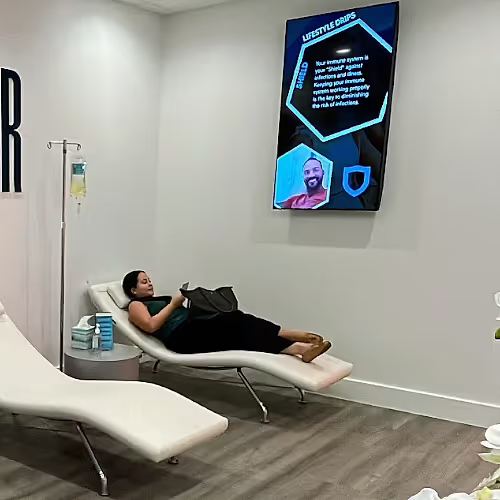
HIGHLY recommend this place. super friendly and accommodating staff, very clean all the way around, has the best seats everrrr and they have all the IV bags and add ons you could ever want! def check this place out(:
Amazing customer service. Very helpful and nice. The process was super easy and quick. The products are wonderful.
Read more
Ready to Get Started?
Feel your best with a treatment designed to support your goals! Whether you’re looking for hydration, energy, immune support, recovery, or overall wellness, our team will help you choose the right option and make sure your experience is comfortable from start to finish. Click the Book Appointment button below to pick your reserve a time that fits your schedule.