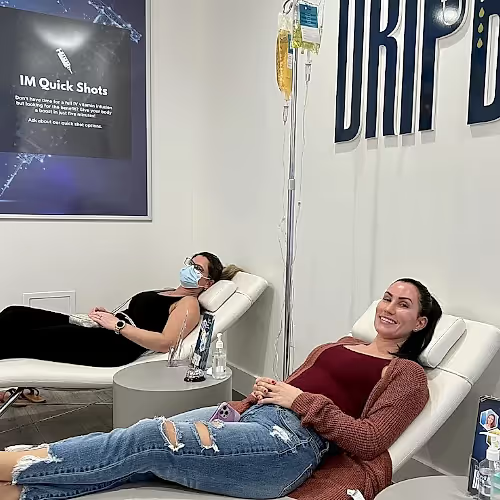

Worried about feeling unwell at altitude?
Sudden changes in elevation can leave you feeling tired and uncomfortable. Your body may need time to adjust to lower oxygen levels. Supportive care can help ease symptoms and promote a smoother transition.
Feel Your Best at High Elevations
Support for altitude discomfort.
Altitude sickness can disrupt your plans with symptoms like headache, fatigue, and nausea, especially if you ascend quickly. The DRIPBaR offers supportive IV therapies that help restore hydration, replenish essential nutrients, and promote better oxygen use for those adjusting to high elevations. These therapies may help reduce discomfort, support energy, and aid in recovery after exposure to altitude. Licensed providers monitor your session for safety and comfort throughout the process.
Whether you are preparing for a mountain trip or recovering after returning, you can find targeted support at The DRIPBaR Fort Lauderdale. Our team tailors each session to your needs, helping you feel more resilient during altitude changes. Book your appointment today to support your body’s adaptation and enjoy your time at higher elevations.
Did you know?
Altitude sickness can affect anyone above 8,000 feet, regardless of age or fitness level.
Understanding Altitude Sickness
Traveling to higher elevations can challenge your body’s ability to adapt to lower oxygen levels. Altitude sickness, also called acute mountain sickness, occurs when oxygen in the air is reduced and your body struggles to deliver enough to tissues. This can disrupt normal functions and lead to symptoms such as headache, nausea, and fatigue. The risk increases with rapid ascent and insufficient acclimatization.
Common triggers include traveling quickly to mountain destinations, engaging in strenuous activity soon after arrival, and not drinking enough fluids. Managing altitude sickness involves gradual ascent, staying hydrated, and limiting intense exercise during the first days at elevation. Supportive therapies and preventive strategies can help ease the transition and reduce discomfort.
Common Symptoms of Altitude Sickness
What are the first signs of altitude sickness? Headache, nausea, and dizziness often appear within hours of reaching higher elevations. These symptoms can be mild or more pronounced, depending on how quickly you ascend and your individual sensitivity. Some people notice fatigue and shortness of breath even with light activity. Early recognition helps guide safe management.
As altitude sickness progresses, symptoms may include trouble sleeping, loss of appetite, and swelling in the hands, feet, or face. Insomnia and persistent fatigue can make it harder to enjoy activities or recover after exertion. In rare cases, more severe forms like high-altitude cerebral or pulmonary edema can develop, which require immediate medical attention. Most cases, however, remain mild and resolve with rest and acclimatization.
Environmental factors such as dry air, cold temperatures, and increased physical demands can worsen symptoms. Dehydration is common at altitude and may intensify headaches or dizziness. Monitoring your body’s response and taking practical steps can help reduce the risk of complications. If symptoms persist or worsen, descending to a lower elevation is the safest course.
Traditional Treatments
Traditional management of altitude sickness focuses on gradual ascent and allowing time for the body to adapt. Staying well-hydrated, avoiding strenuous activity during the first 24 hours, and resting are key strategies. Over-the-counter pain relievers may help with headaches, while anti-nausea medications can address stomach discomfort. In some cases, preventive medications like acetazolamide are used to support acclimatization. For those experiencing persistent or severe symptoms, descending to a lower elevation is the most effective intervention. Medical attention is necessary if signs of high-altitude cerebral or pulmonary edema develop. Supportive therapies, such as supplemental oxygen or IV fluids, may be provided in clinical settings. Most people recover fully with proper care and a gradual return to normal activity.
How IV Therapy May Help
Before or after exposure to high elevations, IV therapy at The DRIPBaR can offer targeted hydration and nutrients to help your body adapt. These therapies are designed to support energy production, restore electrolyte balance, and reduce oxidative stress, all under the supervision of licensed providers. By delivering fluids and nutrients directly into the bloodstream, IV therapy may help you feel more comfortable and resilient during altitude changes. While not a substitute for acclimatization or emergency care, IV therapy can complement your overall wellness plan for travel or activity at high elevations. Our team tailors each session to your needs, focusing on safe, supportive care that fits your goals. This approach may help reduce discomfort, promote recovery, and support your body’s natural adaptation process.
Supportive IV Therapies for Altitude
Specialized IV therapies can help restore hydration, balance electrolytes, and provide nutrients that support your body’s adjustment to high elevations.
Jetsetter
Jetsetter offers targeted IV therapy to replenish fluids, electrolytes, and antioxidants lost during travel. This infusion delivers essential nutrients such as Ascorbic Acid, Methylcobalamin, and Zinc directly into the bloodstream for efficient absorption. It supports immune defenses, reduces oxidative stress, and enhances mental focus. Designed for frequent travelers and those recovering from long flights, Jetsetter helps restore energy and balance. The therapy promotes hydration and aids in adjusting to new environments. Individual responses may vary, and it is not a substitute for medical treatment. This infusion is a practical option for maintaining wellness during travel.
Read moreRestoration
Restoration provides targeted hydration and nutrient replenishment through an intravenous infusion. It includes key ingredients such as Ascorbic Acid, Magnesium, and B vitamins to support energy production and immune resilience. This therapy aids in reducing fatigue and improving mental clarity. It also helps ease muscle tension and supports nervous system function. Restoration is suitable for individuals seeking to recover from physical stress or low energy. The infusion delivers nutrients directly into the bloodstream for rapid absorption. This approach promotes overall balance and wellness.
HIGHLY recommend this place. super friendly and accommodating staff, very clean all the way around, has the best seats everrrr and they have all the IV bags and add ons you could ever want! def check this place out(:
Amazing customer service. Very helpful and nice. The process was super easy and quick. The products are wonderful.
Read more
Ready to Get Started?
Feel your best with a treatment designed to support your goals! Whether you’re looking for hydration, energy, immune support, recovery, or overall wellness, our team will help you choose the right option and make sure your experience is comfortable from start to finish. Click the Book Appointment button below to pick your reserve a time that fits your schedule.