
Struggling with post-surgery fatigue?
After gastric surgery, your body may have trouble absorbing essential nutrients, leading to tiredness and slow recovery. Hydration and nutrient balance are often disrupted, making daily activities more difficult. Addressing these challenges is important for regaining strength and supporting recovery.
Restore Balance and Support Recovery
Targeted recovery support.
IV therapy can help address nutrient deficiencies and hydration challenges that often occur after gastric surgery. By delivering vitamins, minerals, and antioxidants directly into the bloodstream, this approach supports energy, tissue repair, and immune function. Many people find it easier to maintain wellness when their body receives nutrients without relying on digestion. This method can be especially helpful for those who struggle with oral supplements or experience ongoing fatigue.
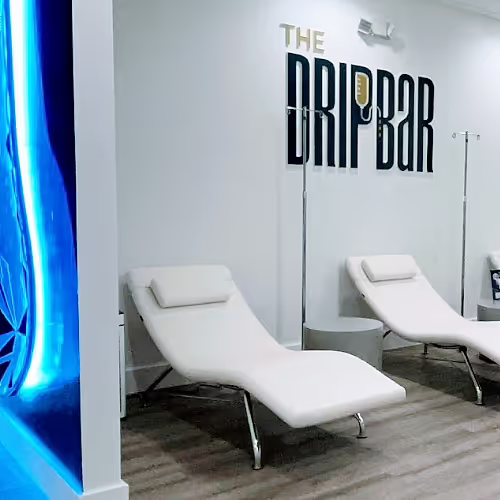
The DRIPBaR Fort Lauderdale offers tailored recovery options designed to meet the unique needs of individuals after gastric surgery. Our services focus on replenishing nutrients, supporting hydration, and supporting recovery in a comfortable setting. Licensed providers provide careful monitoring throughout each session. Book your appointment today to take the next step in your recovery.
Did you know?
Gastric surgery often leads to vitamin and mineral deficiencies that may require lifelong nutritional support.
Understanding Gastric Surgery Recovery
Gastric surgery involves altering the stomach or digestive tract to support weight loss and improve metabolic health. These procedures, such as gastric bypass or sleeve gastrectomy, can significantly reduce the body’s ability to absorb certain nutrients. As a result, individuals may experience deficiencies in vitamins and minerals, which can impact energy, recovery, and overall well-being. The digestive changes also make it harder for some people to tolerate oral supplements or maintain hydration.
Common triggers for complications include limited food intake, changes in digestion, and difficulty absorbing nutrients from meals. Responsible management focuses on dietary adjustments, regular bloodwork, and ongoing supplementation to help avoid deficiencies. Monitoring hydration and nutrient status is essential for supporting recovery and maintaining long-term health after surgery. Working with healthcare professionals helps ensure safe and effective care.
Common Symptoms of Poor Recovery
After gastric surgery, individuals may notice persistent fatigue and low energy, even with adequate rest. This can be due to reduced absorption of key nutrients like vitamin B12, iron, and protein. Some people also experience dizziness or weakness, especially when standing or during physical activity. These symptoms often reflect the body’s adjustment to changes in digestion and nutrient intake.
Digestive discomfort is another common concern, including nausea, bloating, or difficulty tolerating certain foods. Dumping syndrome, which involves rapid movement of food into the small intestine, can cause cramping, diarrhea, or lightheadedness. Hair thinning and muscle weakness may develop over time as the body struggles to access enough nutrients for tissue maintenance. These effects can be distressing and may impact daily life.
Delayed wound repair and frequent infections are also possible, especially if immune function is compromised by nutritional gaps. Some individuals find it hard to maintain hydration, leading to headaches or dry skin. Ongoing monitoring and proactive support are important to address these symptoms and promote recovery. Recognizing these patterns early helps guide effective management.
Traditional Treatments
Standard treatment after gastric surgery centers on dietary modifications, regular supplementation, and close monitoring of nutrient levels. Patients are often advised to follow a high-protein, low-sugar diet and to take prescribed vitamins and minerals daily. Bloodwork is performed routinely to track deficiencies and guide adjustments in supplementation. Hydration is emphasized, as the body’s ability to absorb fluids can be reduced. Additional support may include working with registered dietitians and healthcare providers to create individualized care plans. Oral supplements are the first line of defense, but some people may require alternative methods if they struggle with absorption or tolerance. In certain cases, IV therapy is considered to deliver nutrients directly into the bloodstream. Ongoing education and follow-up help ensure long-term health and help avoid complications.
How IV Therapy May Help
Many people recovering from gastric surgery face challenges with nutrient absorption and hydration, which can slow recovery and reduce energy. IV therapy at The DRIPBaR provides a direct way to deliver essential vitamins, minerals, and fluids, supporting the body’s recovery process. This approach can help restore balance, improve stamina, and address deficiencies that are difficult to manage with oral supplements alone. Licensed providers oversee each session, ensuring safety and comfort throughout the experience. Benefits of this targeted support may include improved wound repair, better immune function, and enhanced overall well-being. While some effects, like increased hydration, may be felt quickly, others such as improved energy or tissue repair develop gradually with consistent care. The DRIPBaR’s services are tailored to individual needs, offering a proactive option for those seeking to optimize their recovery. Regular sessions and ongoing monitoring help maintain progress and support long-term health.
Specialized Support for Surgical Recovery
Certain therapies can help restore hydration, replenish nutrients, and promote tissue repair after gastric surgery. These options are designed to address common deficiencies and support recovery. Personalized care ensures each individual receives the right balance of support for recovery.
Pre/Post-Op
Surgical procedures increase the body’s need for hydration and essential nutrients to support recovery and immune support. Pre/Post-Op therapy delivers compounds such as Vitamin C, Magnesium, and Zinc directly to the bloodstream, bypassing digestive limitations. This approach helps reduce oxidative stress, supports tissue regeneration, and restores energy levels. It is suitable for individuals preparing for or recovering from surgery who want to optimize their recovery process. Licensed providers provide personalized care to ensure safe and effective treatment.
Read moreRed Light Therapy
Red Light Therapy delivers targeted red and near-infrared light to the skin to stimulate mitochondrial function and promote cellular repair. This treatment encourages collagen synthesis and improves microcirculation, which may enhance skin tone and tissue resilience. Sessions are typically 10 to 20 minutes long and require no downtime. The therapy is often combined with other wellness treatments for synergistic effects. It is suitable for adults seeking gentle support for recovery and overall wellness. The experience is relaxing and designed to fit into busy lifestyles. Benefits tend to accumulate over several weeks with regular use.
HIGHLY recommend this place. super friendly and accommodating staff, very clean all the way around, has the best seats everrrr and they have all the IV bags and add ons you could ever want! def check this place out(:
Amazing customer service. Very helpful and nice. The process was super easy and quick. The products are wonderful.
Read more
Ready to Get Started?
Feel your best with a treatment designed to support your goals! Whether you’re looking for hydration, energy, immune support, recovery, or overall wellness, our team will help you choose the right option and make sure your experience is comfortable from start to finish. Click the Book Appointment button below to pick your reserve a time that fits your schedule.