
Many clients from the University of North Dakota area find it convenient to visit for recovery support, as it is just a short drive to our clinic. If you are considering compression boots after surgery, it is important to discuss this option with your surgical team first. We recommend making sure you have medical clearance before booking a session. Our team is here to answer questions and help you decide if this comfort-focused approach fits your needs. Your safety and comfort are always our top priorities.
Compression boots are designed to provide a gentle, rhythmic pressure to the lower legs, which can help promote circulation and reduce the feeling of heaviness. Sessions are typically time-based and can be adjusted for comfort and intensity. Most people describe the sensation as a moving massage that travels up the leg. This supportive tool is best used alongside other recovery routines, such as walking, elevation, and hydration. It is not a substitute for prescribed compression garments or medical follow-up. Always follow your surgeon’s advice regarding timing and frequency.
Understanding post-op compression boots
Compression boots are wearable sleeves that use controlled air pressure to create a cycle of gentle squeezing and release along the legs. This action mimics the natural muscle contractions that help move blood and lymphatic fluid back toward the heart. When movement is limited after surgery, these cycles can provide comfort and support normal circulation. The boots are non-invasive and do not involve needles or medications. Settings can be adjusted to match your comfort level, and sessions are guided by wellness professionals. While many people enjoy the lighter feeling in their legs after a session, results vary from person to person. It is important to use compression boots only after receiving clearance from your surgical team.
Swelling relief and circulation boosters
Swelling is a common part of recovery after surgery, often caused by inflammation, fluid shifts, and reduced movement. Compression therapy after surgery can help support fluid movement and provide comfort during this phase. Circulation booster boots work by encouraging blood flow and lymphatic drainage, which may help ease the sensation of heaviness in the legs. These sessions are not a replacement for medical care for swelling but can be a helpful addition to your overall recovery routine. Always combine compression with other strategies like elevation, hydration, and gentle movement as recommended by your healthcare provider.
Lymphatic drainage compression boots
Lymphatic drainage compression boots use sequential pressure to help move excess fluid out of the tissues and back into circulation. This process can support your body’s natural recovery mechanisms, especially when activity is limited. Many people find these sessions relaxing and notice a reduction in leg stiffness or puffiness. It is important to remember that compression is just one part of a comprehensive recovery plan. Always check with your surgeon before starting any new recovery support.
During the weeks following surgery, your body is working hard to recover, and swelling comfort routines can make a real difference. Recovery compression boot sessions are designed to be gentle and adjustable, focusing on relaxation and circulation support. These sessions should be paired with other wellness habits, such as walking as permitted and staying hydrated. If you notice any new or worsening symptoms, contact your medical provider right away. Compression boots are not a replacement for prescribed medical treatments or follow-up care. Use them as a supportive tool within your approved recovery plan.
Post op compression boots guidance
Post op compression boots are most effective when used under the guidance of your surgical team and wellness professionals. They are intended to complement, not replace, prescribed compression garments or physical therapy. Proper timing and frequency depend on your specific procedure and recovery stage. If you have any concerns about blood clots, skin sensitivity, or unusual swelling, always consult your provider before booking a session. Safety and comfort should always come first during your recovery journey.
Compression therapy after surgery is not suitable for everyone, especially those with certain medical conditions or red-flag symptoms. If you experience new calf pain, redness, warmth, or sudden swelling, seek medical evaluation before considering compression boots. Your provider can help determine if and when these sessions are appropriate for you. Always prioritize your prescribed recovery plan, including walking, elevation, and medication schedules. Compression boots are an optional comfort tool, not a primary treatment.
When used appropriately, circulation booster boots can help support your body’s natural recovery processes. They may help reduce the sensation of heaviness and promote a sense of relaxation during recovery. These sessions are best scheduled around your physical therapy and walking routines for maximum benefit. Remember to stay hydrated and monitor your skin for any signs of irritation. If you are unsure about the right timing or settings, our team can guide you through a safe and comfortable session. Individual experiences may vary, so always listen to your body and follow your provider’s advice.
What to expect during recovery sessions
During a session with compression boots after surgery support, you can expect a gentle, rhythmic squeeze that travels up your legs. Most people describe the sensation as a moving massage, which can help ease stiffness and promote comfort. The pressure cycles are adjustable, allowing you to find a setting that feels right for your recovery stage. Sessions are typically time-based and guided by a wellness specialist who monitors your comfort throughout. Many clients notice a lighter feeling in their legs and improved relaxation after the session. It is important to communicate any discomfort or unusual sensations right away. Always use compression boots only after receiving medical clearance.
A typical recovery compression boot session begins with a brief check-in to ensure there are no red-flag symptoms or contraindications. The boots are then fitted and adjusted for comfort, with pressure settings tailored to your needs. As the session begins, you will feel a gentle squeeze and release pattern that supports circulation and lymphatic flow. Afterward, many people find it easier to walk or perform light exercises as permitted. Staying hydrated and following your recovery plan can help maximize the benefits of each session.
Swelling after surgery relief steps
Managing swelling after surgery involves more than just compression. Elevation, gentle movement, and hydration all play key roles in reducing fluid buildup and supporting recovery. Swelling comfort routines should be individualized based on your procedure and your provider’s recommendations. Compression boots can be a useful addition, but they work best when combined with other strategies. Always check your skin before and after each session for any signs of irritation or pressure marks. If swelling worsens or does not improve with these routines, contact your surgical team promptly.
Pairing compression boots with other wellness habits can help create a more comfortable recovery experience. Simple routines like ankle pumps, deep breathing, and consistent hydration support circulation and lymphatic flow. These habits are especially important during periods of limited activity. Compression sessions should be gentle and never cause pain or discomfort. If you have questions about how to structure your recovery day, our team is here to help. Your comfort and safety are always our priorities.
- Intake review: We start with a brief check-in to confirm your recovery stage and ensure there are no red-flag symptoms.
- Comfort fit: Boots are fitted and pressure settings are adjusted for your comfort and safety.
- Session timing: Each session is time-based, typically lasting several minutes as recommended for your needs.
- Pressure cycles: The boots use rhythmic squeezing and release to support circulation and lymphatic flow.
- Relaxation focus: The experience is designed to promote relaxation and a lighter feeling in your legs.
- Post-session plan: After the session, gentle movement or ankle pumps are encouraged if permitted by your provider.
- Hydration support: Staying hydrated before and after your session can help maximize comfort and results.
- Skin check: We always check for any signs of irritation or pressure marks before you leave.
Recovery compression boot session benefits
Recovery compression boot sessions may help support circulation, reduce the sensation of heaviness, and promote relaxation during the recovery process. Many people find that these sessions make it easier to stick with their prescribed walking and physical therapy routines. The gentle, adjustable pressure can be tailored to your comfort level and recovery stage. Sessions are guided by wellness professionals who prioritize your safety and well-being. While results vary, some clients notice improved leg comfort and less swelling after a session. It is important to remember that compression boots are not a replacement for medical care. Always follow your provider’s recommendations for timing and frequency.
Compression boots can also support your recovery motivation by providing a structured, calming routine. Many clients find that scheduling a session helps anchor their recovery day and encourages better hydration and rest. This routine can make it easier to maintain consistency with other wellness habits. If you are feeling uncertain about when to use compression boots, our team can help you develop a plan that fits your needs. Your recovery journey is unique, and we are here to support you every step of the way.
Comfort and safety are always the top priorities during recovery. If you notice any discomfort, numbness, or unusual symptoms during a session, stop immediately and contact your provider. Listening to your body and communicating with your healthcare provider helps ensure a smooth recovery.
Circulation-focused recovery session steps
A circulation-focused recovery session is structured to support comfort and fluid movement. It begins with a safety check and review of your recovery stage. The compression boots are applied and adjusted for a gentle, rhythmic squeeze. After the session, you are encouraged to hydrate and perform light movement as permitted. This approach helps reinforce healthy routines and supports your overall recovery plan.
Sessions are always individualized and guided by wellness professionals. Your comfort and safety are monitored throughout. If you have any questions or concerns, our team is ready to assist.
Compression boots are most effective when used as part of a broader recovery stack. This includes walking and physical therapy as prescribed, elevation routines, and hydration. The boots provide an additional layer of comfort and circulation support. They should never replace your core recovery plan or medical follow-up. By combining these strategies, you can help promote a smoother and more comfortable recovery process.
It is important to monitor your body’s response during each session. Watch for any signs of sharp pain, numbness, or skin irritation and report them right away. Your wellness specialist will help you adjust settings as needed for comfort. Compression boots should always feel gentle and supportive, never painful. If you experience any new or concerning symptoms, stop the session and seek medical advice. Consistent communication with your healthcare provider helps ensure a safe and effective recovery.
Skin care is a key part of post-surgery recovery. Keep your skin clean and dry, especially in areas where the boots make contact. Avoid using compression boots over open wounds or irritated skin. A thin barrier layer may be recommended for added comfort.
Planning your post-surgery recovery routine
We often see guests from the University of North Dakota who appreciate the short 8-minute drive for recovery support. Planning your post-surgery routine involves more than just scheduling sessions. It is important to coordinate compression boot appointments with your physical therapy, walking, and medication schedules. Our team can help you develop a plan that fits your lifestyle and recovery goals. Consistency with hydration, movement, and rest is essential for optimal comfort.
Session timing can make a difference in how you feel throughout the day. Many people find that mid-afternoon or early evening sessions help them wind down and prepare for restful sleep. The best timing is the one that fits your recovery plan and daily routines. If you are unsure, our staff can offer guidance based on your needs.
Frequency of compression boot sessions should be individualized and conservative. Some clients benefit from occasional sessions during weeks of high sitting time, while others prefer a routine schedule. Always follow your provider’s recommendations and adjust as needed. The goal is to support your recovery without overdoing it.
Integrating swelling comfort routines
Swelling comfort routines work best when they include multiple strategies. Elevation, gentle movement, and hydration all play important roles in managing post-surgical swelling. Compression boots can be a helpful addition, but should not be the only tool you rely on. Your provider can help you decide which routines are most appropriate for your recovery stage.
Pairing compression with hydration-first wellness services can enhance your recovery experience. Hydration supports blood volume and circulation, while compression encourages fluid movement. This combination can help you feel more comfortable and supported during recovery. Always individualize your routine based on your provider’s advice.
Safe session guidelines
Safety is the foundation of every session. Always check for red-flag symptoms before using compression boots, such as new calf pain, redness, or sudden swelling. If you notice any of these signs, contact your provider before proceeding. Sessions should always be gentle and never cause pain. Your wellness specialist will help you adjust settings for maximum comfort.
It is important to communicate openly with your healthcare provider about your recovery experience. If you have questions about session timing, frequency, or comfort, do not hesitate to ask. Your feedback helps us tailor each session to your needs. Consistent monitoring and communication support a safe recovery.
If you are unsure about whether compression boots are right for you, start by discussing your options with your surgical team. They can help you determine the best timing and approach for your recovery. Our staff is here to support you with information and guidance. Your safety and comfort are always our priorities.
Remember that compression boots are a supportive tool, not a replacement for medical care. Always prioritize your prescribed recovery plan and follow your provider’s instructions. If you have any concerns, reach out for professional advice.
Monitoring your recovery progress
Tracking your progress during recovery can help you stay motivated and informed. Keep a simple log of your sessions, comfort levels, and any changes in swelling or mobility. Share this information with your provider during follow-up visits. This helps ensure your recovery stays on track.
If you notice any sudden changes or new symptoms, report them to your provider right away. Early communication may help you avoid complications and support a smoother recovery. Your wellness team is here to help you navigate any challenges. Do not hesitate to reach out if you need support or have questions.
A typical recovery day might include hydration, a light meal, gentle movement, and a compression boot session as permitted. Follow your provider’s instructions for elevation and medication timing. Consistency with these routines can help you feel more comfortable and supported. Adjust your plan as needed based on your recovery progress and feedback from your healthcare provider. Your experience is unique, and your plan should reflect your individual needs.
Pairing compression with recovery support
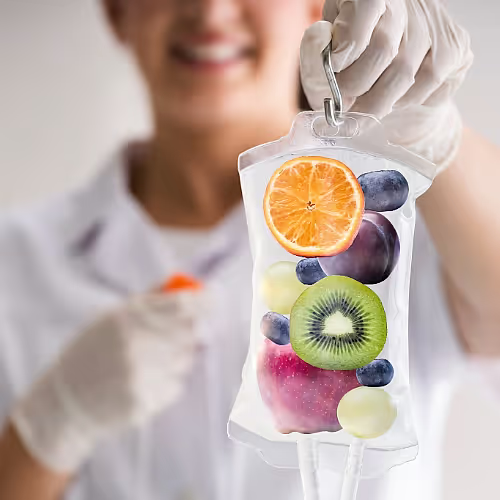
Compression boots can be paired with hydration-first IV therapy and other wellness services for a comprehensive recovery approach. Hydration supports blood volume and circulation, while compression encourages fluid movement and comfort. This combination can help you feel steadier and more relaxed during recovery weeks. Always ensure you are medically cleared before starting any new recovery support. Our team can help you develop a plan that fits your needs and recovery goals. Individual results may vary, so it is important to monitor your response and adjust as needed. Your safety and comfort are always our priorities.
Some clients find that scheduling compression boots after surgery support sessions helps them stay consistent with their recovery routines. These sessions can be a motivating anchor for hydration, movement, and rest. By integrating compression with other wellness habits, you can create a more structured and comfortable recovery experience. Always follow your provider’s recommendations for timing and frequency. Your recovery journey is unique, and our team is here to support you.
Compression boots should always be used as part of a broader recovery plan. They are not a substitute for prescribed medical treatments or follow-up care. By combining compression with hydration, movement, and rest, you can help support your body’s natural recovery processes. If you have questions about how to structure your recovery plan, our staff is ready to assist. Your comfort and safety are our top priorities.
Safe use and comfort tips
Always check for red-flag symptoms before starting a session. Adjust pressure settings for comfort and never use boots over open wounds. Communicate any discomfort right away.
If you are new to compression boots, start with shorter sessions and gradually increase as tolerated. Stay hydrated before and after each session to support circulation and comfort. Monitor your skin for any signs of irritation or pressure marks. If you notice any unusual symptoms, stop the session and contact your provider. Your wellness specialist can help you adjust settings for maximum comfort. Consistent communication and monitoring help ensure a safe recovery.
When to seek medical advice
Contact your provider if you experience new calf pain, redness, warmth, or sudden swelling. Seek medical evaluation for any concerning symptoms. Your safety is always the top priority.
Compression boots are not suitable for everyone, especially those with certain medical conditions or red-flag symptoms. Always consult your provider before starting a new recovery routine. If you notice any changes in your symptoms or have concerns about your recovery, reach out for professional advice. Early communication may help you avoid complications and support a smoother recovery process. Your wellness team is here to help you navigate your recovery journey. Do not hesitate to ask questions or request support.
By following your provider’s instructions and using compression boots as part of a comprehensive recovery plan, you can help support your body’s natural recovery processes. Consistency with hydration, movement, and rest is key to a comfortable recovery. If you have questions about how to structure your recovery day, our team is here to help. Your experience is unique, and your plan should reflect your individual needs. Safety and comfort are always our priorities. Reach out to our staff for guidance at any stage of your recovery.
Driving Directions From University of North Dakota
Visit The DRIPBaR Grand Forks Today
- From the University of North Dakota, head south on N Columbia Rd. (About 10 ft)
- Continue onto Overpass-Columbia Rd. (About 0.3 miles)
- Continue straight onto S Columbia Rd and proceed south. (About 1.9 miles)
- Continue straight to remain on S Columbia Rd. (About 0.7 miles)
- Turn left onto 43rd Ave S. (About 249 ft)
- Turn left toward The DRIPBaR Grand Forks. (About 282 ft)
- Arrive at The DRIPBaR Grand Forks, 4177 S Columbia Rd Suite 106, Grand Forks, ND 58201.
Review your recovery expectations today
Taking a thoughtful approach to post-surgery recovery can make a meaningful difference in your comfort and confidence. By combining compression boots with hydration, movement, and rest, you can support your body’s natural recovery processes. Remember to always follow your provider’s instructions and communicate openly about your experience. Many clients find that a structured recovery routine helps them stay motivated and on track. If you are ready to explore your options, our team is here to guide you. Schedule your first session and take the next step toward a more comfortable recovery.