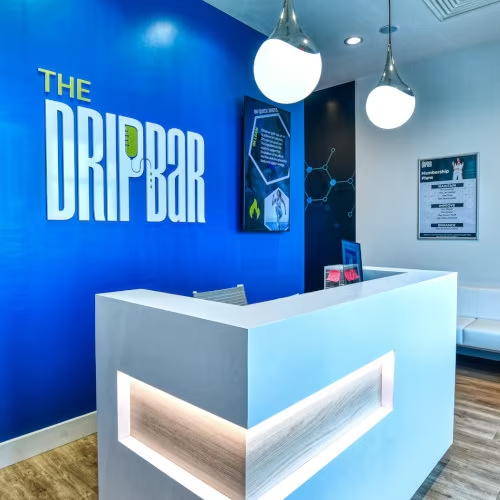

Many clients from Grand Forks and nearby areas find that adding CoQ10 for workout recovery to their routine helps support their performance goals. This approach combines hydration, amino acids, and cellular energy support for a more complete recovery plan. By focusing on these pillars, you can address both muscle repair and overall vitality. It is not about shortcuts but about building a foundation for better training consistency. The right recovery habits can help you make the most of every session.
CoQ10 is often discussed for its role in supporting mitochondrial energy and antioxidant defenses. When paired with hydration and amino acids, it fits naturally into a recovery-focused routine. This trio addresses fluid balance, muscle repair, and cellular energy needs. Together, they help you bounce back and stay ready for your next workout.
Why recovery support matters
Recovery is not just about feeling less sore. It is about helping your body adapt, restore energy, and prepare for the next challenge. Sleep, nutrition, and hydration are the foundation, but targeted support can help fill in gaps. CoQ10, hydration, and amino acids each play a unique role in this process. By understanding how they work together, you can build a recovery routine that fits your training and lifestyle.
CoQ10 and exercise recovery explained
CoQ10 is a key player in cellular energy production, especially in muscle and heart cells. During intense exercise, your body uses more energy and produces more oxidative stress. Supporting these pathways may help you recover more efficiently. That is why CoQ10 is often included in performance routines.
Hydration and electrolytes for recovery
Hydration is the baseline for effective recovery. Fluids and electrolytes support circulation and muscle function. Without them, recovery feels slower.
Many athletes underestimate the impact of dehydration on their recovery. Even mild fluid loss can lead to heavier legs, headaches, and more soreness after training. Electrolytes help maintain fluid balance and support normal muscle signaling, which is especially important during sweat-heavy sessions. A simple habit like drinking water with each meal and adding electrolytes on long or hot days can make a noticeable difference. Clinic-based hydration support is also an option for those who struggle to keep up. It is about building a routine that fits your needs and schedule.
Amino acids for muscle recovery
Amino acids are the building blocks your body uses to repair and maintain muscle tissue. When training volume increases, so do your needs for these nutrients. Many athletes choose amino acid support when they are in a high-volume phase or have trouble meeting protein goals. This approach is not a substitute for eating enough protein, but it can help fill the gaps. Endurance athletes, strength trainers, and busy professionals alike may benefit from this extra layer of support.
Amino acids work best when paired with a balanced diet and adequate calories. They support muscle repair, tissue maintenance, and recovery after hard sessions. People who miss meals or have inconsistent eating patterns may notice more soreness or slower bounce-back. By including amino acids in your recovery plan, you give your body the resources it needs to adapt. This is especially useful during peak training blocks or busy periods when nutrition can fall short. The goal is to complement, not replace, good eating habits. Consistency is key for seeing results.
CoQ10 for energy support
CoQ10 supports the cellular pathways that produce ATP, the energy currency of your cells. This is especially important for muscle and heart function. By supporting these processes, CoQ10 helps maintain steady energy during recovery.
Unlike stimulants, CoQ10 does not provide a sudden boost. Instead, it supports a more consistent energy baseline and resilience during high-output weeks. Many people notice steadier energy and improved readiness for their next session.
IV therapy for workout recovery
At The DRIPBaR Grand Forks, many clients choose IV therapy as part of their recovery plan, especially when focusing on CoQ10 for workout recovery. This approach allows for hydration, amino acids, and targeted nutrients to be delivered together in a comfortable setting. IV therapy can be a structured reset after heavy training or travel. The process is guided by licensed professionals who tailor each session to your goals. Many guests appreciate the relaxed, community-focused atmosphere in the lounge.
Hydration and nutrient support are often combined for convenience and effectiveness. This makes it easier to stay on track with recovery, even during busy weeks. The experience is designed to be both comfortable and supportive.
Benefits of recovery support
Pairing hydration, amino acids, and CoQ10 offers a well-rounded approach to workout recovery. Hydration helps restore fluid balance and circulation. Amino acids support muscle repair and tissue maintenance. CoQ10 contributes to cellular energy and antioxidant defenses. Together, these ingredients help you recover more efficiently and maintain training consistency. The result is a recovery routine that adapts to your needs.
- Hydration first: Fluids and electrolytes restore baseline quickly after sweat-heavy sessions.
- Amino acids added: Building blocks for muscle repair and tissue support during high-volume training.
- CoQ10 included: Supports mitochondrial energy production and antioxidant defenses for cellular vitality.
- Clinic-based support: Professional guidance and comfort-focused sessions enhance the recovery experience.
- Personalized plans: Each visit is tailored to your training, nutrition, and recovery needs.
- Aftercare focus: Guidance on hydration, meals, movement, and sleep helps you maximize results.
Aftercare and next steps
After a recovery session, continue drinking water and use electrolytes if you are sweating or training. Plan a balanced recovery meal with protein, carbs, and colorful produce. Gentle movement, such as a short walk, supports circulation. Aim for an early bedtime to let your body adapt.
Tracking your progress can help you fine-tune your routine. Notice how your energy, soreness, and sleep quality change after adding recovery support. Adjust your plan as needed to fit your schedule and training demands. Consistency is what brings the best results.
Safety is always a priority at The DRIPBaR Grand Forks. Disclose any health conditions, medications, or sensitivities before your visit. Some people may need to adjust fluid or nutrient intake based on medical advice. Mild effects like bruising or lightheadedness can occur, but serious reactions are rare. Always seek medical attention for severe symptoms such as chest pain, shortness of breath, or significant swelling. Your comfort and well-being come first.
Many guests return for regular recovery sessions because they feel supported and notice a difference in their training consistency. The welcoming environment and personalized care make each visit unique. Whether you are new to IV therapy or a returning client, the team is ready to help you reach your goals. Recovery is a journey, and every step counts.
Amino acids and muscle recovery routines
Clients from Grand Forks and the surrounding region often mention how convenient it is to access recovery support close to home. This accessibility makes it easier to stay consistent with amino acid and hydration routines. Many find that having a local option helps them maintain their recovery habits during busy training blocks. The ability to tailor each visit to individual needs is a key advantage. Personalized care supports both new and experienced athletes.
Amino acid support is especially valuable for those in high-volume training or with unpredictable schedules. It helps fill protein gaps and supports muscle repair when meals are missed. The combination of hydration, amino acids, and CoQ10 creates a comprehensive recovery plan. This approach is not a replacement for good nutrition but a way to complement it. The focus is always on building a routine that fits your life. Consistency and adaptability are the foundation of effective recovery.
Strength athletes, endurance trainers, and hybrid clients all benefit from a recovery plan that includes amino acids. The right mix of support ingredients can make a noticeable difference in soreness and readiness. By addressing both muscle repair and energy needs, you set yourself up for better results. The DRIPBaR Grand Forks team helps you find the best fit for your goals. Every visit is an opportunity to refine your approach.
Hydration and electrolytes for recovery
Hydration is often the first step in any recovery plan. Fluids and electrolytes support blood volume, temperature regulation, and muscle function. Many people do not realize how much dehydration can impact recovery feel and training performance. Electrolytes become even more important during heat, travel, or long sessions. Simple habits like drinking water with meals and checking hydration mid-morning and afternoon can help. Clinic-based hydration support is available for those who need a structured reset. The goal is to make recovery accessible and effective for everyone.
Electrolyte support is not just for elite athletes. Anyone training regularly or sweating heavily can benefit. The focus is on restoring balance and supporting normal muscle and nerve function. This helps reduce cramping, fatigue, and perceived effort during recovery.
CoQ10 and performance support
CoQ10 is included in many performance routines for its role in cellular energy and antioxidant defense. It is not a stimulant or a quick fix. Instead, it supports steady energy and resilience during demanding periods.
Many people notice improved readiness and less depletion when CoQ10 is part of their recovery plan. It is especially popular during peak training blocks or after travel. The focus is on supporting your body’s natural recovery processes. Consistency with CoQ10 can help you maintain training momentum. Always pair it with good sleep, nutrition, and hydration.
CoQ10 is well tolerated by most people, but it is important to take it with food to avoid stomach upset. Some may feel more alert if taken late in the day. Always discuss your supplement routine with a licensed professional, especially if you take medications. Safety and personalization are key.
Personalizing your recovery plan
Every athlete and active individual has unique needs. The DRIPBaR Grand Forks team takes time to understand your goals and constraints. Plans are tailored based on training volume, nutrition, and lifestyle. This approach helps you get the most out of each recovery session. Personalization ensures your routine fits your life, not the other way around.
During your visit, you will discuss your training schedule, hydration habits, and recovery needs with a licensed professional. Intake includes a review of health history, medications, and any sensitivities. The session is designed to be comfortable and supportive. Aftercare guidance covers hydration, meals, movement, and sleep. The goal is to help you feel confident and cared for throughout your recovery journey.
Mitochondrial support supplements for athletes
Athletes often look for ways to support cellular energy and resilience during intense training blocks. Mitochondrial support supplements like CoQ10 are popular because they help maintain ATP production and antioxidant defenses. This is especially important for endurance and strength athletes who experience high energy demands. By supporting these pathways, you may notice steadier energy and improved recovery feel. The combination of hydration, amino acids, and CoQ10 creates a comprehensive plan. It is about building a foundation for consistent performance. Every athlete’s needs are different, so personalization is key.
CoQ10 for workout recovery is often chosen by those who want to support their energy and resilience without relying on stimulants. This approach fits well with athletes who value steady performance and consistent training. By focusing on cellular vitality, you help your body adapt to training stress. The right support can make a difference in how you feel day to day. Recovery is a process, not a quick fix.
Tracking your recovery
Tracking progress is an important part of any recovery plan. Many athletes monitor energy steadiness, sleep quality, and soreness after adding new support ingredients. This helps you see what works and adjust your routine as needed. Notice how your body responds to changes in hydration, amino acids, and CoQ10. Keep a simple log or journal to spot patterns over time. Consistent tracking leads to better results and more informed decisions.
Adjust your recovery plan based on what you learn from tracking. If you notice more soreness or fatigue, review your hydration and nutrition habits. Small changes can have a big impact on how you feel and perform. The goal is to build a routine that fits your schedule and training demands. Personalized support from The DRIPBaR Grand Forks team can help you stay on track. Recovery is about progress, not perfection.
- Energy steadiness: Track how your baseline energy changes after recovery sessions.
- Sleep quality: Notice improvements in sleep after adding support ingredients.
- Soreness reduction: Monitor how quickly you bounce back from hard sessions.
- Training consistency: See if you can maintain your routine more easily over time.
IV therapy for workout recovery routines
IV therapy is a convenient way to combine hydration, amino acids, and CoQ10 in one session. Many athletes use it as a reset after peak training or travel. The process is guided by licensed professionals for comfort and safety.
During your visit, you will complete an intake and discuss your goals with a wellness specialist. The team reviews your health history, medications, and training schedule to personalize your plan. Hydration support with electrolytes is often included, along with CoQ10 and amino acids as needed. The session is designed to be comfortable and tailored to your needs. Aftercare guidance helps you maximize results with hydration, meals, and rest. Many clients appreciate the supportive environment and professional care.
Safety is always a top priority. Disclose any health conditions or medications before your session. The team is trained to monitor comfort and address any concerns. Your well-being comes first.
Ready to build your recovery plan?
If you are looking to support your workout recovery with a comprehensive approach, The DRIPBaR Grand Forks is here to help. Our team takes time to understand your goals and tailor each session to your needs. Whether you are new to IV therapy or a returning guest, you will find a welcoming and professional environment. Recovery is about building habits that support your training and lifestyle. Reach out today to start your personalized plan. Same-day options are often available, so you can take the first step when it fits your schedule. Message us for a quick back-and-forth or to confirm your spot.
Additional Related Resources
For a deeper look at how exercise changes the body and why recovery matters, the National Institutes of Health offers a helpful summary. Their article on how exercise changes the body and recovery demands explains the systems-level adaptations that happen during training. This resource highlights why a complete approach to recovery, including sleep, nutrition, hydration, and targeted nutrients, makes a difference.
If you are interested in the research behind CoQ10 and athletic performance, the journal Nutrients provides a thorough review. Their summary of CoQ10 supplementation research in athletes covers studies on energy, recovery, and performance outcomes. This evidence-based perspective helps set realistic expectations and shows why CoQ10 is a popular choice for supporting recovery routines.