
If you are coming from Choice Health & Fitness, it is just a short six-minute drive to our clinic, making it easy to fit a visit into your day. Many guests arrive seeking a practical plan for gut comfort, especially after periods of low energy or appetite. Our team takes the time to listen and personalize your experience, focusing on hydration, gentle nutrition, and targeted add-ons. For those interested in a science-backed approach, we offer gut health supplements as part of a broader wellness routine. Each step is designed to be approachable and flexible, so you can find what works best for you. We believe in small, sustainable changes that build confidence over time.
Why Gut Health Matters Now
Digestive health often becomes a top concern during EBV recovery, as many notice changes in appetite, comfort, and energy. The gut is sensitive to stress, disrupted sleep, and inconsistent hydration, all of which are common after a viral illness. Symptoms like bloating, nausea, or unpredictable digestion can feel overwhelming. Rather than aiming for perfection, the focus should be on gentle, consistent routines. At The DRIPBaR, we encourage clients to start with hydration and simple foods, then layer in targeted supports as needed. This approach helps reduce decision fatigue and supports gradual improvement. Individual experiences vary, so flexibility is key.
Hydration Strategies for Digestive Health
Hydration is a foundational part of gut comfort, especially after periods of fatigue. Steady fluid intake can help ease constipation, reduce nausea, and support overall energy. Many people find that sipping fluids throughout the day works better than large amounts at once.
Electrolyte Hydration Benefits
Electrolytes play a crucial role in maintaining fluid balance and supporting digestive comfort. On days when appetite is low, electrolyte beverages may help the body retain fluids more effectively. This can be especially helpful for those experiencing dehydration-related symptoms. Choosing the right balance of fluids and electrolytes can make a noticeable difference.
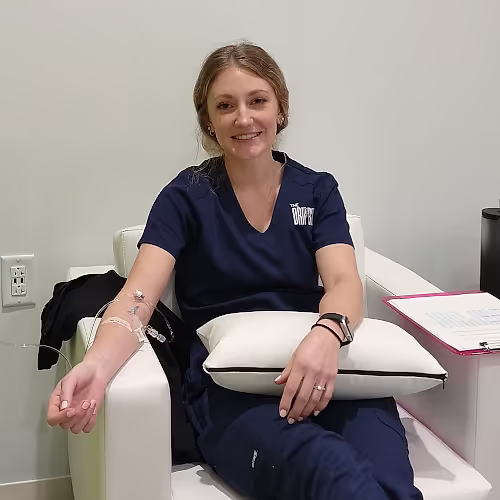
IV hydration therapy is an option for those struggling with oral intake or persistent dehydration. At The DRIPBaR, sessions are tailored to individual needs, focusing on comfort and safety. IV fluids can support hydration foundations, making it easier to maintain a steady digestive routine. Many clients notice improved energy and gut comfort after a hydration-focused visit.
A gentle nutrition plan is essential for gut support during EBV recovery. The goal is not strict dieting, but rather finding foods and meal patterns that feel good. Soft grains, broths, and simple proteins are often well-tolerated. Consistency in meal timing can help stabilize appetite and energy. Adjusting textures and portions based on daily tolerance makes the plan sustainable.
Nausea and Low Appetite Support
Nausea and low appetite are common hurdles after EBV. Small, frequent meals can be easier to manage than large portions. Gentle foods like soups, smoothies, and soft proteins are often more appealing. Hydration paired with light snacks may help reduce nausea intensity.
Supporting digestive health requires patience and a willingness to adjust routines. Some days will be easier than others, and it is normal for symptoms to fluctuate. Tracking patterns, such as when nausea or bloating occurs, can help identify helpful changes. The DRIPBaR team encourages clients to try one adjustment at a time, whether it is adding an electrolyte drink or shifting meal timing. This approach reduces overwhelm and allows for gradual progress. Remember, persistent or severe symptoms should be discussed with a healthcare provider.
Glutamine Supplement Add-Ons
Glutamine is a popular addition for those seeking extra gut lining support, especially when building a routine around gut health supplements. As an amino acid, glutamine may help fuel intestinal cells and support recovery comfort. It is available as a personalized add-on at The DRIPBaR. Many clients choose to try glutamine when oral supplements are not well tolerated.
Glutamine is often discussed in wellness circles for its potential to support gut barrier integrity and tissue repair. During post-viral recovery, the gut can feel more reactive, and glutamine may offer a gentle boost. At The DRIPBaR, clients can add glutamine to their hydration session, creating a targeted stack that fits their needs. It is important to start with basics, hydration and gentle nutrition, before layering in add-ons. Staff are available to help personalize your plan and answer questions about ingredient options.
Digestive Health Routine Steps
Building a digestive health routine is about consistency and personalization. Start by tracking your appetite, hydration, and symptoms for a week. Use this information to identify patterns and triggers. Next, focus on steady hydration and simple meals, adjusting as needed for comfort. Once the basics feel manageable, consider adding targeted supports like glutamine. Evaluate changes over 48 to 72 hours to see what works best for you.
- Hydration rhythm: Sip fluids steadily throughout the day for gut comfort.
- Electrolyte support: Use electrolyte beverages on low appetite days if appropriate.
- Gentle nutrition: Choose soft grains, broths, and simple proteins for easier digestion.
- Meal timing: Eat small, frequent meals to stabilize appetite and energy.
- Track symptoms: Note when nausea, bloating, or discomfort occurs for better personalization.
- Personalized add-ons: Consider glutamine or other supports based on your needs and tolerance.
- Rest and pacing: Allow time for recovery and avoid overloading your schedule after a session.
Gentle Nutrition Planning
A gentle nutrition plan focuses on what feels good, not on restriction. Start with soft foods and liquids, then gradually add proteins and cooked vegetables. Consistent meal timing helps stabilize hunger cues. Adjust textures and portions based on daily tolerance. The goal is comfort and sustainability.
Protein is important for recovery, but large portions can be overwhelming. Try small servings of eggs, yogurt, or blended protein options throughout the day. Liquid nutrition is helpful when chewing or appetite is difficult. Do not force yourself to eat a full meal if it does not feel right. Over time, gentle consistency supports better energy and gut comfort.
Fiber can be tricky during sensitive phases. Start with cooked vegetables and peeled fruits, increasing slowly as your gut allows. Avoid jumping to high-fiber foods too quickly, as this can worsen bloating. Consistency is more important than perfection. Listen to your body and adjust as needed.
Stress can impact digestion, so take a moment to breathe before meals. A short walk after eating may help with motility. Protect your sleep by keeping dinner earlier if reflux is an issue.
Pacing and Tracking Progress
Approach your wellness visit as the main event of the day. Build in buffer time before and after your session. Keep meals and activities simple to support recovery.
Track your gut comfort and energy for 48 to 72 hours after your visit. Look for subtle improvements in appetite, bloating, and sleep. Use a simple scorecard to note changes and identify patterns. This helps personalize your routine over time. Remember, progress is often gradual and non-linear.
If you feel better after hydration or a gentle nutrition reset, avoid overbooking your day. Use any improvement as motivation to stick with steady routines. Consistency is key for long-term gut comfort. Adjust your plan as needed based on your tracking results.
Some clients may consider additional add-ons like B vitamins or magnesium, but it is best to introduce one change at a time. This helps you understand what works for your body. Always disclose your health history and medications during intake.
Safety and Medical Boundaries
Many guests from the Choice Health & Fitness area appreciate how close we are, making it easy to stop by for a hydration session or gut support routine. It is important to know when to seek medical evaluation for persistent or severe symptoms. Blood in stool, severe abdominal pain, ongoing vomiting, or unexplained weight loss require prompt attention. Always share your full health history with our team for safe, personalized care.
IV therapy and glutamine add-ons can be supportive for many, but they are not a substitute for medical care. People with kidney or liver issues, heart conditions, or those who are pregnant should consult a healthcare provider before trying new routines. Our staff screens for these factors during intake. If you have a history of severe reactions to amino acids or persistent digestive symptoms, let us know. We prioritize safety and will help guide you toward the right options. Your comfort and well-being are our top priorities.
Setting Realistic Expectations
Gut recovery is rarely a straight line. Small improvements in appetite, comfort, or sleep are signs of progress. Celebrate these subtle wins as you build your routine.
Success is not about perfection, but about more stable intake and fewer flare days. Track your appetite, nausea, and hydration daily to spot trends. Adjust your plan one step at a time, focusing on what feels sustainable. Over time, you may notice meals become less stressful and energy steadier. Remember, every journey is unique and results will vary.
Common Misconceptions Clarified
It is a myth that one supplement or add-on will fix gut issues overnight. Gut comfort is influenced by hydration, meal timing, stress, and sleep. Over-restriction can actually worsen fatigue and appetite. Focus on gentle, adequate intake for better recovery.
Another misconception is that hydration is just about water. Electrolytes and minerals from meals matter for retention and comfort. Not all bloating is caused by food intolerance; stress and sleep loss can play a role. Tracking helps identify true patterns. Gradual, steady changes are more effective than drastic overhauls.
Personalizing Your Gut Routine
Personalization is the heart of a successful gut support plan. Track your symptoms, hydration, and meal patterns for a week. Use this information to adjust your routine. Try one change at a time, such as adding a hydration session or shifting meal timing. Evaluate how you feel over several days before making another adjustment.
Our team at The DRIPBaR Grand Forks is here to help you build a plan that fits your lifestyle and goals. We encourage open communication about your experiences and preferences. By focusing on small, sustainable steps, you can create a routine that supports your gut and overall well-being. Remember, your journey is personal, and we are here to support you every step of the way.
Next Steps for EBV Gut Support
If you are ready to start a gut support routine, begin by tracking your symptoms and hydration for a week. Focus on steady fluids, gentle meals, and small protein servings. Schedule a hydration session if oral intake is difficult. Consider adding glutamine once your basics are stable. Adjust your plan based on how you feel over time.
Remember, gut health supplements are just one part of a broader wellness routine. Consistency, patience, and personalization are key. Track your progress and celebrate small wins. If you have questions or need guidance, our team is here to help. Your comfort and safety always come first.
Many clients find that a gentle, stepwise approach is more effective than making drastic changes. Start with hydration and nutrition basics, then layer in targeted supports as needed. Use tracking to guide your adjustments. Over time, you may notice more predictable appetite, less discomfort, and improved energy. Every step forward counts.
Building a Sustainable Routine
A sustainable gut routine is one you can repeat, even on tough days. Focus on small, manageable steps. Adjust as needed to fit your lifestyle.
Consistency is more important than intensity when it comes to gut support. Use a daily scorecard to track appetite, nausea, bloating, and hydration. Make one change at a time and evaluate its impact over several days. Remember, setbacks are normal and part of the process. If you experience persistent or severe symptoms, consult a healthcare provider. Our team is here to support your journey with personalized care and guidance.
When to Seek Help
Seek medical evaluation for symptoms like blood in stool, severe abdominal pain, ongoing vomiting, or unexplained weight loss. These signs require prompt attention and should not be managed with wellness routines alone. Always share your health history and current medications with our team. We prioritize your safety and will help guide you to the right resources. Your well-being is our top concern.
If you are unsure whether a new routine is right for you, reach out for guidance. Our staff can help you decide when to try a hydration session or add a supplement. Personalized support makes all the difference.
Remember, wellness routines are not a replacement for medical care. Use them to support your comfort and recovery, but always seek help for serious or persistent symptoms.
Maintaining Progress Over Time
Reassess your routine monthly to see what is working. Adjust based on changes in your symptoms or lifestyle. Consistency and flexibility go hand in hand.
Celebrate steady improvements, even if they are small. Over time, a gentle approach can lead to more predictable comfort and energy. Your journey is unique and deserves a personalized plan.
Driving Directions From Choice Health & Fitness
Visit The DRIPBaR Grand Forks Today for Personalized Gut Support
- From Choice Health & Fitness, 4401 S 11th St, head west toward 40th Ave S. (About 0.1 miles / 42 sec)
- Turn left onto 40th Ave S and continue west. (About 1.5 miles / 4 min)
- Turn left at the first cross street toward S Columbia Rd. (About 0.2 miles / 38 sec)
- Turn left onto S Columbia Rd.
- Arrive at The DRIPBaR Grand Forks, 4177 S Columbia Rd Suite 106, Grand Forks, ND 58201.
Start Your Personalized Gut Support Routine
Taking the first step toward better gut comfort can feel daunting, but you do not have to do it alone. Our team at The DRIPBaR Grand Forks is ready to help you build a routine that fits your needs. Review your options, ask questions, and let us guide you through the process. Your well-being is always our priority.
If you are considering a gut support routine after EBV, remember that progress is often gradual and unique to each person. Focus on hydration, gentle nutrition, and steady routines. Track your symptoms and celebrate small improvements along the way. Our staff is here to answer questions and help personalize your plan. Schedule your first session when you are ready to begin. Together, we can support your journey toward steadier digestive comfort and resilience.