
Hydration is more than just drinking water; it is about how fluids and electrolytes move through your body’s compartments. At The DRIPBaR Grand Forks, we see guests from all over the region who want to feel better and recover. If you are curious about how IV hydration therapy can support cellular repair, you are in the right place. Let’s break down what really happens inside your body and why the right approach matters.
Understanding cellular hydration science
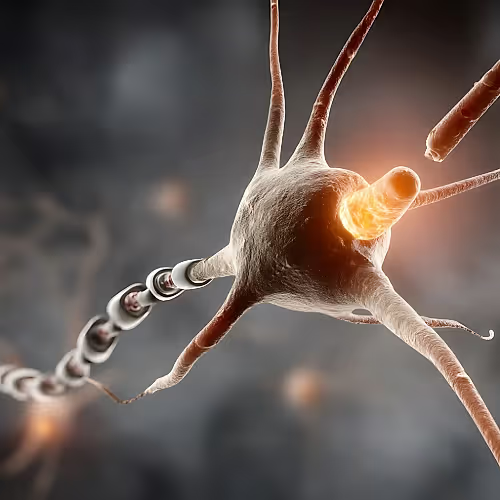
Cellular hydration is not just about how much water you drink each day. It involves a complex system where water, electrolytes, and energy work together to keep your cells functioning at their best. Water moves in and out of cells based on osmotic gradients, which are influenced by sodium, potassium, and other electrolytes. Specialized channels called aquaporins help water flow efficiently, while energy-driven pumps maintain the right balance. When this system works well, your body can support metabolism, repair, and overall wellness.
Cellular hydration vs. drinking water
Drinking water is essential, but it is only the first step in staying hydrated. Your body distributes water across different compartments, and electrolytes play a key role in this process. Without the right balance, you may still feel tired or sluggish even after drinking plenty of fluids.
How electrolyte IV infusion works
Electrolyte IV infusion delivers fluids and minerals directly into your bloodstream. This approach can quickly expand plasma volume and help restore balance in the extracellular space. By bypassing the digestive system, IV therapy may offer faster relief when you are depleted.
Isotonic IV fluids, such as normal saline and Lactated Ringer’s, are designed to match your body’s plasma. These solutions help maintain fluid balance without causing cells to swell or shrink. Choosing the right fluid base is important for safe and effective hydration.
Osmolarity and cell health
Osmolarity measures the concentration of dissolved particles in your fluids. When osmolarity is balanced, water moves where it is needed most. IV therapy can help correct imbalances, especially after heavy sweating, illness, or travel.
Electrolytes like sodium, potassium, chloride, magnesium, and calcium each play unique roles in hydration and cell function. Sodium helps regulate fluid outside your cells, while potassium is crucial inside. Magnesium supports muscle relaxation and energy production, and calcium is vital for signaling and contraction. When these minerals are out of balance, you may notice symptoms like muscle cramps, fatigue, or brain fog. IV hydration can deliver these electrolytes in controlled amounts, supporting your body’s natural repair processes. However, professional oversight is always needed for safety.
IV fluids vs drinking water
Unlike drinking water, IV hydration therapy introduces fluids directly into your bloodstream, allowing for rapid absorption and distribution.
When you drink water, it must pass through your digestive system before being absorbed and distributed. This process can be slowed by factors like nausea, gut inflammation, or high sweat loss. IV fluids bypass these barriers, quickly expanding plasma volume and supporting circulation. Over time, the infused fluid moves from your blood into surrounding tissues, helping to restore balance. This immediate effect is why many people notice a difference soon after an IV session. Still, oral hydration remains essential for daily wellness.
Electrolyte IV infusion explained
Electrolyte IV infusions are carefully formulated to provide the right mix of sodium, potassium, chloride, magnesium, and sometimes calcium. These minerals help direct water to where it is needed most, supporting nerve and muscle function. The sodium potassium pump, powered by ATP, keeps sodium outside cells and potassium inside, maintaining healthy gradients. Aquaporins act as channels, allowing water to move efficiently when the right conditions are present. By delivering electrolytes and fluids together, IV therapy may help restore balance after stress, illness, or intense activity. Each session is tailored to your needs by a licensed professional.
Isotonic IV fluids, such as normal saline and lactated Ringer’s, are the most common bases for hydration infusions. These solutions are designed to match your body’s plasma, minimizing the risk of cell swelling or shrinking. Balanced crystalloids may include additional electrolytes for more comprehensive support.
- Rapid absorption: IV fluids enter the bloodstream directly for fast results.
- Electrolyte support: Infusions deliver sodium, potassium, and other key minerals.
- Bypassing digestion: IV therapy is helpful when oral intake is limited or not tolerated.
- Controlled composition: Each drip is tailored for safety and effectiveness.
- Immediate plasma expansion: IV fluids quickly support circulation and hydration status.
Cellular hydration and energy
Hydration at the cellular level depends on both water and energy. The sodium potassium pump uses ATP to maintain proper gradients, supporting cell volume and function. Magnesium is essential for this energy process.
When you are stressed, sleep deprived, or recovering from illness, your cells may struggle to maintain hydration and energy. IV therapy can provide electrolytes and nutrients that support these pathways. B-complex vitamins, magnesium, and vitamin C are often included to help with energy metabolism and antioxidant defense. While these nutrients may support recovery, outcomes vary based on individual needs and baseline health. Always consult with a licensed provider to determine the best approach for you.
Aquaporins are specialized proteins that form channels in cell membranes, allowing water to move quickly in response to osmotic gradients. They do not pull water into cells but enable efficient flow when the right electrolyte balance is present. Certain aquaporins in the skin are linked to hydration appearance and barrier function, which is why hydration and antioxidant strategies are often combined in wellness programs. Inflammation and oxidative stress can disrupt aquaporin function, making it harder for tissues to stay hydrated. Supporting hydration and antioxidant defenses may help maintain healthier cellular environments.
The interstitial space, located between blood vessels and cells, plays a key role in how hydration feels in your tissues. Fluid movement in this area supports nutrient delivery and waste removal. IV hydration can help restore balance in the interstitial space, especially after dehydration or illness.
Electrolyte IV infusion for wellness
Many clients from the Grand Forks area visit The DRIPBaR seeking support for energy, recovery, and overall wellness. Our team listens to your goals and tailors each session to your needs, whether you are bouncing back from travel, intense activity, or just want to feel your best. The welcoming atmosphere and experienced staff make it easy to relax and focus on your health. We see guests from nearby communities who appreciate the convenience and personalized care. Every visit is designed to help you move forward at your own pace.
Safety is always a priority with IV hydration. Licensed professionals screen for health conditions that may affect your response to fluids and electrolytes. Mild side effects like bruising or temporary coolness at the IV site are possible, but serious risks are rare when protocols are followed.
IV hydration is not a substitute for daily healthy habits. Consistent fluid intake, balanced nutrition, and stress management are essential for long-term wellness. Even after an IV session, your body redistributes fluids over time, so ongoing self-care remains important. If you experience persistent symptoms like fatigue or dehydration, it is wise to seek medical evaluation. Our team is here to support you with education and guidance, not just a quick fix. The best results come from combining professional support with your own healthy routines.
Who should use IV hydration
IV hydration may be helpful for people recovering from illness, travel, or intense physical activity. It is also considered by those who have difficulty maintaining hydration through oral intake alone. However, not everyone is a candidate. Screening ensures that IV therapy is safe and appropriate for your situation.
Certain health conditions require extra caution with IV fluids, including heart or kidney issues, uncontrolled high blood pressure, or a history of severe edema. Pregnant individuals and those on medications affecting fluid balance should consult with their provider first. Our team follows strict protocols to ensure your safety and comfort throughout your visit.
How IV hydration supports recovery
IV hydration can help restore plasma volume and electrolyte balance after dehydration, illness, or high-output exercise. By delivering fluids and nutrients directly into the bloodstream, it supports rapid rehydration and recovery. Many people notice improved energy, clearer thinking, and more comfortable muscle function after a session. However, effects vary based on individual needs and baseline health. IV therapy is best used as part of a broader wellness plan.
Clients often report feeling refreshed and more resilient after IV hydration. The combination of fluids, electrolytes, and optional nutrients can support both physical and mental recovery. Each session is tailored to your goals and health status.
Practical tips for hydration
To maintain hydration, aim for consistent fluid intake throughout the day, especially during periods of high activity or heat. Include electrolyte-rich foods or drinks when sweating heavily or recovering from illness. Pay attention to signals like thirst, urine color, and energy levels. Avoid relying solely on plain water after intense exercise or travel, as this can dilute electrolytes. Consider IV hydration as a supportive option during acute depletion, but focus on daily habits for long-term wellness. If symptoms persist, consult a healthcare provider for guidance.
Hydration needs change with age, activity, and health status. Adjust your routine as needed, and do not hesitate to seek support if you feel depleted. Our team is here to help you find the right balance for your lifestyle.
Remember, hydration is a system involving water, electrolytes, and energy. IV therapy can be a useful tool, but it works best when combined with healthy habits. Listen to your body and make adjustments as needed.
If you are considering IV hydration, start by discussing your goals and health history with a licensed provider. They can help determine if this approach is right for you and recommend the best protocol. Safety screening and individualized care are key to a positive experience. Our team at The DRIPBaR Grand Forks is committed to supporting your wellness journey with education, compassion, and expertise.
Hydration IV drip and recovery routines
Hydration IV drips are often used by people recovering from travel, illness, or strenuous activity. These infusions can help restore fluid and electrolyte balance quickly. Many clients notice improved energy and comfort after a session. The process is supervised by licensed professionals for safety. IV therapy is one part of a comprehensive recovery plan.
Some people find that IV hydration therapy offers a unique benefit compared to oral intake, especially when rapid recovery is needed. The immediate effect of IV fluids can support circulation and help restore balance after stress or depletion. For those who want to optimize cellular repair, IV hydration therapy may be a valuable addition to their wellness routine. As always, results vary and should be discussed with a provider.
IV hydration is not meant to replace daily healthy habits. It works best when combined with consistent fluid intake, balanced nutrition, and regular self-care. Use IV therapy strategically during times of acute need, and focus on building routines that support long-term wellness.
Signs you may benefit
You might consider IV hydration if you experience symptoms like persistent fatigue, muscle cramps, or brain fog after travel or intense activity. Other signs include dizziness, dry skin, or difficulty recovering from illness. If oral fluids are not enough, IV therapy may help restore balance. Always consult a licensed professional before starting any new wellness intervention.
IV hydration can be especially helpful when oral intake is limited by nausea, gut issues, or high sweat loss. It is also considered by those with demanding schedules or frequent travel. Each session is tailored to your needs and health status. Licensed professionals ensure safety and monitor your response. Remember, hydration is a system, not just a sip.
- Fatigue relief: IV hydration may help reduce tiredness after stress or travel.
- Muscle support: Electrolytes can ease cramps and support recovery.
- Brain clarity: Hydration may improve focus and reduce brain fog.
- Skin comfort: Balanced fluids can support skin hydration and appearance.
- Rapid replenishment: IV fluids quickly restore plasma volume and electrolyte balance.
- Tailored approach: Each session is customized for your unique needs.
Electrolyte IV infusion for athletes
Athletes often use IV hydration to recover after intense training or competition. These infusions help restore fluids and electrolytes lost through sweat. The process supports muscle function and energy.
IV therapy can be a useful tool for athletes facing high-output demands or rapid recovery needs. It is not a replacement for daily hydration, but it may offer targeted support during peak periods. Always work with a licensed provider to ensure safety and effectiveness.
Athletes should focus on both hydration and nutrition for optimal performance. IV therapy can complement these efforts when used strategically. Listen to your body and adjust your routine as needed.
When to seek help
If you notice persistent symptoms like severe fatigue, confusion, chest pain, or rapid swelling after an IV session, seek medical attention immediately. These signs may indicate a more serious issue that requires prompt evaluation. Most people tolerate IV hydration well, but safety always comes first. Our team is available to answer questions and provide guidance. Your health and comfort are our top priorities.
For most people, mild side effects like bruising or temporary coolness at the IV site are the most common. If you have concerns or experience unusual symptoms, reach out to your provider. Open communication helps ensure a safe and positive experience.
Remember, IV hydration is just one part of your wellness toolkit. Combine it with healthy habits for the best results.
If you are new to IV hydration, start by discussing your goals and health history with a licensed professional. They can help you decide if this approach fits your needs. Our team is here to support you every step of the way.
Take your time and move at your own pace. Wellness is a journey, and we are here to guide you. Reach out with questions or to schedule a visit when you are ready.
Ready to support your cellular repair?
If you are interested in learning more about IV hydration and how it may support your wellness goals, our team at The DRIPBaR Grand Forks is here to help. We offer a welcoming environment, personalized care, and a focus on education. Every session is tailored to your needs, ensuring safety and comfort. Take the next step at your own pace, and let us know how we can support your journey. Your path to better hydration and cellular repair starts with a conversation.
Hydration is more than a number on a bottle, it is a dynamic process that supports every aspect of your health. By understanding how fluids, electrolytes, and energy work together, you can make informed choices for your wellness. IV hydration is one tool among many, and our team is here to guide you in finding the right balance. Reach out when you are ready to explore your options and take charge of your well-being.