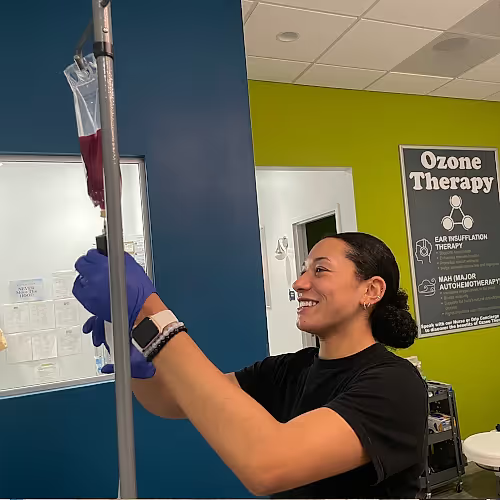

Many guests from the Grand Forks County Historical Society area appreciate how convenient it is to reach us for sleep support. If you are searching for magnesium for sleep, you will find both IV and oral options available at The DRIPBaR Grand Forks. Our team is ready to guide you through the differences and help you build a routine that fits your schedule. Whether you are new to magnesium or looking to optimize your current approach, a short drive can make a big difference in your nightly rest.
Understanding Magnesium Glycinate for Sleep
Magnesium glycinate is a popular choice for those seeking a steady, at-home sleep routine. This form is often selected because it is gentle on digestion and aligns well with relaxation-focused habits. Many people find that taking magnesium glycinate in the evening, paired with calming rituals, supports a smoother transition to sleep. Consistency is key, as regular use may help reinforce bedtime cues. It is not a sedative, but rather a supportive element in a broader wellness plan. Individual responses vary, so personalization is important.
IV Magnesium Add-Ons Explained
IV magnesium add-ons are offered as part of a structured session at The DRIPBaR. Delivered directly into the bloodstream, this approach bypasses digestion and can be helpful for those who do not tolerate oral supplements. IV magnesium is often chosen for its efficiency and the opportunity to pair it with other recovery services. Sessions are supervised by licensed professionals who tailor the experience to your comfort and goals. Many clients use IV magnesium as a reset during stressful periods or when building a new sleep routine. The environment is calm, supportive, and focused on relaxation.
Magnesium Glycinate for Sleep Routine
Building a successful sleep routine with magnesium glycinate starts with consistency. Take your supplement at the same time each evening, ideally as part of a wind-down ritual. Pairing magnesium with dim lighting, gentle stretching, or breathwork can enhance its calming effect. If you are sensitive to supplements, consider taking it with a light snack. Adjust timing if late-night use leads to bathroom trips. Remember, the goal is to create a repeatable habit that feels natural and sustainable. Over time, this steady approach may support better sleep quality.
Many people are drawn to magnesium glycinate because it tends to be well tolerated and fits easily into daily routines. Unlike some forms of magnesium, it is less likely to cause digestive upset, making it a practical choice for long-term use. The glycine component is associated with relaxation, which can reinforce bedtime cues. For best results, combine magnesium glycinate with other healthy habits like a consistent wake time and reduced evening stimulation. Personalization is key, as everyone’s response is unique. If you experience side effects, adjust your routine or consult a wellness specialist.
IV Magnesium for Sleep Support
IV magnesium is administered in a controlled setting, offering a different experience than oral routines. Some clients notice a sense of relaxation or warmth during the session. Responses vary, so staff monitor comfort and safety throughout.
Choosing IV magnesium may be a good fit if you need a structured reset or have difficulty tolerating oral supplements. The session begins with a check-in and discussion of your goals. After a brief pinch for IV placement, you can relax in a comfortable lounge or private room. Staff remain attentive, ensuring you feel supported and at ease. Many clients use this time to practice calming breathwork or simply unwind. After the session, it is recommended to move slowly, hydrate, and keep stimulation low. This approach can help reinforce the benefits of the session and support restful sleep.
Comparing IV and Oral Magnesium
When considering magnesium for sleep, it is helpful to compare the two main options: IV magnesium add-ons and oral routines like magnesium glycinate. The anchor keyword, magnesium for sleep, highlights the importance of choosing the right delivery method for your needs. IV magnesium offers fast absorption and is ideal for those who need a structured, supervised experience. Oral magnesium glycinate is convenient for daily use and supports consistency at home. Both approaches can be effective when paired with healthy sleep habits and personalized routines.
IV magnesium is often used as a reset during high-stress periods, while oral magnesium glycinate supports ongoing maintenance. The choice depends on your tolerance, lifestyle, and sleep goals. Some people benefit from combining both approaches, using IV sessions for periodic support and oral routines for nightly consistency. It is important to listen to your body and adjust as needed. Always prioritize safety and seek guidance if you have complex health conditions. The best results come from a routine that fits your unique needs.
Sleep Routine Essentials
A strong sleep routine includes more than just supplements. Focus on consistent wake times, calming evening rituals, and a low-stimulation environment. Small changes can build momentum.
- Consistent bedtime: Go to bed at the same time each night for better rhythm.
- Morning light exposure: Get sunlight early to help set your internal clock.
- Evening wind-down: Dim lights and reduce screen time before bed.
- Breathwork practice: Try long-exhale breathing to support relaxation.
- Protein snack: Eat a light protein snack in the afternoon to help avoid evening crashes.
- Caffeine timing: Move caffeine earlier in the day to protect sleep quality.
- Hydration balance: Sip water throughout the day, but limit intake close to bedtime.
- Low stimulation hour: Keep the final hour before bed calm and quiet.
Hydration and Nutrition
Hydration and nutrition play a key role in sleep support. Dehydration can mimic anxiety and make it harder to settle at night. Aim for small, frequent sips of water throughout the day. Include protein at breakfast and lunch to stabilize energy. These habits complement magnesium routines and help create a foundation for better rest.
Under-eating or skipping meals can disrupt sleep and increase nighttime restlessness. Focus on balanced meals with adequate protein, especially in the afternoon. If appetite is low, try simple options like yogurt, eggs, or smoothies. Pairing proper nutrition with magnesium routines can reduce the “empty tank” feeling that keeps you awake. Remember, small adjustments can have a big impact. Consistency is more important than perfection.
Caffeine timing is often overlooked in sleep routines. Late or excessive caffeine can keep the nervous system activated, making it harder for magnesium to support relaxation. Try to hydrate and eat before your first cup of coffee. If you struggle to fall asleep or wake up at night, consider moving caffeine earlier in the day. Stabilizing hydration and nutrition can reduce the need for late-day stimulants. This approach supports a smoother transition to sleep and maximizes the benefits of your magnesium routine.
Tracking your sleep routine can help identify patterns and areas for improvement. Note your bedtime, wake time, and how you feel in the morning. Adjust your habits based on what works best for you. Over time, these insights can guide your path to better sleep.
Personalizing Sleep Support
Personalization is essential for effective sleep support. Start with a simple routine and adjust based on your response. If fatigue or sleep issues persist, consider lab testing to identify nutritional gaps. Wellness professionals can help interpret results and recommend next steps. Avoid supplement overload by focusing on foundational habits first. A personalized plan increases the likelihood of long-term success. Remember, small changes add up over time.
Safety is a top priority when using magnesium for sleep support. Individuals with kidney disease, heart rhythm concerns, or complex medication regimens should consult a licensed professional before starting new routines. IV magnesium is administered under supervision to ensure comfort and safety. Oral magnesium should be introduced gradually, especially if you are sensitive to digestive changes. Always speak up if you experience unusual symptoms. Responsible use supports both safety and results.
Combining magnesium with other wellness services can enhance sleep support. Options like red light therapy, compression boots, and halotherapy create a comprehensive approach to relaxation. Hydration-first planning helps reduce headaches and discomfort that disrupt sleep. The DRIPBaR offers a range of services that can be tailored to your needs. Stacking these supports with magnesium routines may help reinforce your sleep readiness. Explore different combinations to find what works best for you.
Safety and Screening for Sleep Support
We often see visitors from the Grand Forks County Historical Society area who value both convenience and safety in their wellness routines. Before starting magnesium support, it is important to consider your health history and current medications. Licensed professionals at The DRIPBaR conduct thorough screenings to ensure each plan is appropriate. If you have kidney, heart, or blood pressure concerns, extra caution is advised. Our team is committed to providing a safe, comfortable experience for every client.
Magnesium is not a replacement for medical care when sleep disturbance is severe or persistent. If you experience loud snoring, severe daytime sleepiness, or chest discomfort, seek evaluation from a healthcare provider. Wellness routines are best used as complementary support. Personalization and safety should always come first.
When to Seek Guidance
If sleep issues continue despite routine changes, consider consulting a wellness specialist. Persistent fatigue, mood changes, or uncertainty about nutritional needs may indicate a need for lab testing. Professional guidance can help clarify next steps.
Certain populations require extra caution with magnesium routines. Individuals with kidney disease, significant heart conditions, or complex medication regimens should always consult a professional before starting new supplements. Pregnant or breastfeeding clients should seek clearance before making changes. IV magnesium is administered under supervision to ensure safety. Oral routines should be adjusted gradually if side effects occur. Responsible use and open communication support the best outcomes.
Red flags such as chest pain, severe shortness of breath, or fainting require immediate medical attention. Wellness services are not substitutes for urgent care. Prioritize your safety and seek help when needed.
Optimizing Your Routine
Consistency is the foundation of any effective sleep support plan. Focus on building habits you can maintain most nights. Pair magnesium routines with calming activities like breathwork and gentle stretching. Protect your sleep cues by keeping evenings low stimulation. Over time, these small steps can lead to meaningful improvements in sleep quality.
After an IV magnesium session or a well-established oral routine, continue supporting your sleep with hydration and a protein-forward snack. Dim lights and avoid intense content in the hour before bed. Track your progress and adjust as needed. The goal is to create a routine that feels natural and sustainable.
If you are unsure where to start, begin with one small change. Add a two-minute breathing exercise or move caffeine earlier in the day. Gradual adjustments are often more effective than drastic overhauls.
Remember, the best sleep routine is the one you will do consistently. Personalize your approach and focus on steady progress. Support is available if you need help refining your plan.
Protecting Sleep After a Reset Session
After a reset session, such as IV magnesium, it is important to protect your sleep cues for the next three nights. Keep your wake time consistent and get morning light exposure to reinforce your circadian rhythm. Dim lights earlier in the evening and avoid stimulating activities before bed. Hydrate throughout the day but limit fluids close to bedtime. These steps help maximize the benefits of your session and set the stage for ongoing improvement. Small, repeatable actions can drive lasting change.
Track your sleep quality and note any changes in how you feel. Adjust your routine based on what works best for you. Consistency over several nights can reveal meaningful trends.
Choosing the Right Magnesium Routine
Deciding between IV magnesium and oral magnesium glycinate depends on your goals and preferences. If you want a structured reset, IV sessions offer a supervised environment and fast delivery. Oral routines are ideal for daily consistency and at-home use. Some people benefit from combining both approaches. Personalization and safety should guide your decision. Consult a wellness professional if you are unsure which option fits best.
If you are considering magnesium for sleep, think about your lifestyle and how each routine fits into your schedule. The anchor keyword, magnesium for sleep, underscores the importance of choosing a method that you can maintain. Consistency and comfort are key to long-term success. Adjust your plan as needed to match your evolving needs.
A simple decision guide can help clarify your next steps. Choose oral magnesium glycinate if you want a nightly routine and tolerate supplements well. Opt for IV magnesium add-ons if you need a structured reset or have not tolerated oral forms. Seek professional guidance if sleep issues persist or if you have complex health conditions. The right choice is the one that supports your goals and feels sustainable.
Building Momentum for Better Sleep
Start with a small, achievable change to build momentum. Add magnesium to your evening routine or schedule an IV session during a stressful period. Pair your new habit with calming activities like breathwork or gentle stretching. Track your progress and celebrate small wins along the way. Over time, these steps can help create a positive cycle of improved sleep and well-being. Consistency is the foundation of lasting results.
Motivation can dip when sleep routines feel inconsistent or overwhelming. Focus on repeatable steps that fit your lifestyle. If you miss a night, return to your routine the next day without judgment. Small wins build confidence and help you regain momentum. Support is available if you need help refining your plan. The goal is steady progress, not perfection.
When to Seek Extra Support
If sleep remains challenging despite routine changes, consider consulting a wellness specialist. Persistent fatigue or uncertainty about supplements may indicate a need for professional guidance. Personalized support can help clarify your next steps.
Lab testing can provide valuable insights when sleep disturbance persists. Common wellness labs include vitamin D, B12, iron markers, and a complete blood count. These tests help identify nutritional gaps that may affect sleep quality. Results should be interpreted by qualified professionals who can recommend appropriate adjustments. Avoid guessing or supplement overload. A personalized plan based on your unique needs increases the likelihood of long-term success. If you are unsure where to start, begin with a simple routine and build from there.
Remember, wellness routines are most effective when tailored to your needs. Track your progress, adjust as needed, and seek support if challenges arise. Consistency and personalization are the keys to better sleep.
Driving Directions From Grand Forks County Historical Society
Visit The DRIPBaR Grand Forks Today for Personalized Sleep Support
- From Grand Forks County Historical Society, 2405 Belmont Rd, head south on Belmont Rd. (About 0.8 miles / 2 min)
- Turn right onto 32nd Ave S. (About 1.7 miles / 5 min)
- Continue toward 36th Ave S. (About 0.5 miles / 1 min)
- Turn left toward S Columbia Rd. (About 0.1 miles / 42 sec)
- Turn left onto S Columbia Rd.
- Arrive at The DRIPBaR Grand Forks, 4177 S Columbia Rd Suite 106, Grand Forks, ND 58201.
Start Your Personalized Sleep Support Journey
Ready to take the first step toward better sleep? Our team at The DRIPBaR Grand Forks is here to help you explore magnesium routines and find the right fit. Check your calendar and see when a visit might work for you. We look forward to supporting your wellness goals.
Building a consistent sleep routine is a journey, not a sprint. Small changes, like adding magnesium or refining your evening habits, can lead to meaningful improvements. Reach out if you need guidance or want to schedule your first session. Your path to better rest starts here.