
Many clients from Choice Health & Fitness appreciate how easy it is to follow a structured recovery plan, especially with the convenience of a short drive to our clinic. For those looking to reinforce their surgeon’s recommendations, our post surgery recovery checklist offers a practical guide. This resource highlights the importance of hydration, nutrition, and sleep, while also outlining when to consider supportive wellness services. Whether you are just starting your recovery or looking for ways to maintain progress, having a clear plan can make all the difference.
A smooth recovery is rarely about finding a single quick fix. Instead, it’s about building consistent habits that support your body’s needs each day. Staying hydrated, eating enough protein, and protecting your sleep are all key steps. Gentle movement, as permitted by your surgeon, can also help circulation and comfort. By focusing on these basics, you can avoid common pitfalls and feel more in control of your recovery journey.
Hydration After Surgery: Daily Habits
Hydration after surgery is often more challenging than expected. Nausea, fatigue, and changes in appetite can make it easy to fall behind on fluids. Starting hydration early in the day and sipping steadily may help you avoid the “behind all day” feeling. Pairing fluids with small meals, when allowed, supports comfort and absorption. Using electrolytes, if approved by your surgeon, may help on days when intake is low or symptoms like headache arise. Tracking simple markers such as thirst, dry mouth, and urine frequency can help you stay on track.
Nutrition After Surgery: Protein and Energy
Nutrition after surgery plays a crucial role in energy, tissue repair, and overall recovery. Following your surgeon’s dietary stages is essential, but within those guidelines, prioritizing protein can support recovery. Small, frequent meals are often easier to tolerate, especially if appetite is low. Including carbohydrates can help maintain energy and reduce feelings of fatigue.
Sleep After Surgery: Protecting Rest
Sleep after surgery is often disrupted by pain, medication schedules, and anxiety. Creating a consistent bedtime and wake time, even if sleep quality varies, can help reset your rhythm. Hydrating earlier in the day and keeping caffeine modest may reduce nighttime disruptions. A calm wind-down routine with dim lights and gentle breathing can further support restful sleep.
Pain, medication, and stress can all impact your ability to sleep well after surgery. Following your surgeon’s instructions for sleep position and restrictions is vital for safety and comfort. Try to avoid catching up on sleep in random chunks, as this can create a foggy rhythm and make recovery feel more difficult. If pain is interfering with sleep, communicate with your medical team for guidance. Remember, sleep is where much of your body’s recovery and recovery consolidation happens.
Movement and circulation are important for recovery, but always follow your surgeon’s guidance. Gentle movement, such as short walks or ankle pumps, can support circulation and comfort if permitted. Avoid long periods of stillness, and set reminders for small movement breaks as allowed. Elevating your legs as instructed can help with swelling and comfort. Never increase activity beyond what your surgeon recommends, even if you feel better for a day.
IV Hydration Timing
IV hydration after surgery may help support hydration and electrolyte balance, especially on days when oral intake is limited. The safest time to consider wellness services like IV hydration is after your surgeon has cleared you for elective options. Start conservatively, using one service at a time and evaluating how you feel afterward. Choose days that allow for rest, not ones packed with errands or appointments. Focus on services that reinforce hydration, nutrition, sleep, and gentle movement. Always communicate any new or worsening symptoms to your medical team.
The timing of IV hydration is highly individual and should never override medical advice. For some, hydration-first support may be appropriate during the transition phase of recovery, especially if intake is inconsistent. Always discuss your options with both your surgeon and the wellness team to ensure safety and suitability.
Post Op Recovery Checklist
The post surgery recovery checklist is designed to keep your daily habits on track. Did you hydrate steadily today? Did you include enough protein in your meals or snacks? Did you take a short walk or do your therapy exercises as allowed? Did you start your wind-down routine early? These simple questions can help you stay focused and make each day of recovery more manageable.
Consistency is the key to a smooth recovery. Tracking your hydration, nutrition, sleep, and movement can help you identify patterns and address issues early. Small, steady efforts often lead to better outcomes than trying to do everything at once. Use your checklist as a guide, not a source of pressure.
Common myths can make recovery more confusing. For example, some believe that swelling means you should drink less, but hydration can still be important even when swelling is present. Others think that one IV drip will fix everything, but recovery is a system that relies on daily habits. More supplements do not always mean recovery, and post-op fatigue is often linked to sleep disruption, low calories, and medication effects. Staying focused on the basics is usually the best approach.
Hydration and Physical Health
Hydration and physical health are closely linked during recovery. Dehydration can lead to fatigue, headaches, and slower recovery. Using electrolytes, if approved, can help maintain balance, especially on days when food intake is low. Avoiding alcohol and keeping caffeine modest can further support your body’s recovery. Tracking simple signs like thirst and energy levels can help you adjust your habits as needed.
- Hydration routine: Start fluids early and sip throughout the day.
- Protein focus: Prioritize protein in meals and snacks as permitted.
- Sleep protection: Keep a consistent bedtime and calming routine.
- Movement reminders: Take gentle movement breaks if allowed by your surgeon.
Nutrition and Sleep Habits
Nutrition and sleep habits work together to support recovery. Eating enough protein and carbohydrates within your dietary stage can help maintain energy and mood. Sleep is where much of your body’s repair takes place, so protecting your rest is essential. Small, frequent meals and a calm evening routine can make a noticeable difference.
Gentle movement, as permitted, helps circulation and can reduce stiffness. Even short walks or therapy exercises, when allowed, support comfort and recovery. Avoid long periods of inactivity, and use reminders to move if needed. Elevate your legs as instructed to help with swelling. Always follow your surgeon’s movement guidelines.
After any wellness session, continue sipping fluids and eating small, protein-forward meals. Use electrolytes if approved and you are still behind on hydration. Keep your schedule calm and avoid stacking errands after a session. Begin your wind-down routine early to support sleep. Avoid alcohol and follow all movement restrictions. Track your symptoms and contact your surgeon if anything worsens.
A simple daily scorecard can help keep your recovery plan on track. Ask yourself if you hydrated steadily, included protein in meals, moved as allowed, and started your wind-down routine early. Avoid alcohol and late caffeine, and monitor your symptoms closely. Consistency with these basics often leads to a smoother recovery. Use your checklist as a supportive tool, not a rigid rulebook.
Red Flags
It is important to know when to contact your surgeon or seek medical care. Chest pain, severe shortness of breath, fainting, confusion, or inability to stay awake are urgent symptoms. Watch for uncontrolled bleeding, rapidly expanding bruising, or changes at your incision site such as spreading redness or drainage. New calf pain, swelling, or warmth should also be reported. Persistent vomiting, severe abdominal pain, or any symptom listed as urgent in your discharge instructions requires prompt attention. If you are unsure whether a symptom is normal, contact your surgical team first.
Never use wellness services as a substitute for medical evaluation. Your surgeon’s guidance should always come first. When in doubt, reach out for professional advice.
Before booking any wellness service, ask your surgeon if you are medically cleared for elective options like IV hydration or compression boots. Confirm if there are any fluid restrictions, swelling concerns, or medication interactions. Ask about the appropriate timing and whether additional labs or precautions are needed. Your safety and recovery come first.
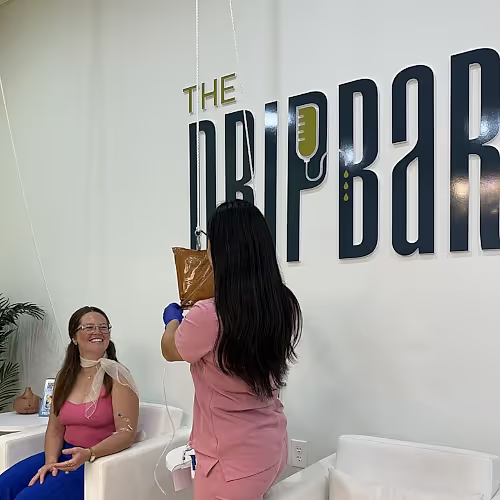
During your intake at The DRIPBaR, discuss which service best matches your current recovery stage and symptoms. Ask about screening for kidney, heart, blood pressure, and clot concerns. Learn how hydration and add-ons are customized conservatively after surgery. Understand what to expect during your session and which sensations to report immediately. Plan your day to allow for rest after your visit, and ask for tips on maintaining results at home.
After your session, continue your recovery routine at home. Stay hydrated, eat protein, and rest as needed. Monitor your symptoms and follow all medical advice.
Making Recovery Simple
If you are coming from Choice Health & Fitness, it is just a quick six-minute drive to our clinic, making it easy to fit recovery support into your routine. Many guests appreciate the convenience of our location and the ability to access wellness services without disrupting their day. Whether you are starting fresh or maintaining progress, a simple plan can help you stay on track.
The best recovery checklists are straightforward and easy to follow. Focus on steady hydration, protein in meals, gentle movement, and early wind-down routines. Use your checklist as a supportive guide, not a source of stress. Adjust as needed based on your daily experience and your surgeon’s advice. Consistency is more important than perfection.
Service Menu Themes
Our service menu is designed to reinforce the basics of recovery. IV hydration may help support hydration and electrolyte balance on low intake days. Nutrient add-ons like vitamin C, B-complex, or magnesium are available for wellness support, always within conservative boundaries. Compression boots and HBOT sessions are options for circulation and oxygenation, but only when cleared by your surgeon.
Vitamin injections, such as B12 shots, may be helpful for those at risk of deficiency. Each service is tailored to your recovery stage and personal goals. Our team works closely with you to ensure safety and comfort. Results vary, and services are always meant to complement, not replace, medical care.
After any session, continue with steady hydration, protein-forward meals, and a calm evening routine. Avoid alcohol and follow all movement restrictions. Use your checklist to maintain progress and help avoid the common pattern of feeling better, then slipping back into old habits. The goal is to make support last beyond the session.
Recovery is individual, and your plan should reflect your needs. Adjust your checklist as you go, and do not hesitate to ask questions. Your comfort and safety are our top priorities.
Many myths surround post-surgery recovery. Swelling does not always mean you should drink less; hydration can still be important. One IV session is not a replacement for medical care-all, daily habits matter most. More supplements do not guarantee recovery, and fatigue is often linked to basics like sleep and nutrition. Staying grounded in the essentials is usually the best way forward.
Conservative Recovery Planning
A conservative approach to recovery means starting slow and evaluating how your body responds. Begin with one service at a time, and choose days that allow for rest afterward. Always prioritize your surgeon’s instructions and communicate any changes in symptoms. Our team is here to support your goals with safety and care in mind. Each person’s recovery timeline is different, and results can vary. Use your checklist to guide your daily habits and adjust as needed.
Remember, wellness services are meant to support, not replace, medical care. Keep your focus on hydration, nutrition, sleep, and movement as the core of your plan. Use services like IV hydration, nutrient add-ons, or compression boots only when cleared and appropriate. Your recovery is a journey, and steady progress is the goal.
If you have questions about which services fit your recovery stage, ask both your surgeon and our wellness team. We are committed to conservative, guided sessions that reinforce your daily habits. Safety comes first, and all services are tailored to your unique needs. Use your checklist to track progress and identify areas for support. Consistency and communication are key to a smooth recovery.
After your session, continue your recovery plan at home. Hydrate steadily, eat protein, and rest as needed. Monitor your symptoms and follow all medical advice. Reach out if you have concerns or notice changes.
A structured recovery plan can help you feel more confident and supported. Use your checklist as a daily anchor, and adjust as your needs change. Our team is here to help you navigate each stage of recovery safely. Remember, the basics matter most. Consistency with hydration, nutrition, sleep, and movement often leads to the best outcomes.
Checklist Templates by Day
Every recovery day can look a little different. On low intake days, focus on early hydration, electrolytes if approved, and small, protein-rich meals. Swelling comfort days may call for movement breaks, elevation, and compression boots if cleared. Brain fog days benefit from hydration, protein, and gentle movement. Constipation days require hydration, simple meals, and following your surgeon’s bowel routine. Travel or appointment days need early hydration, movement breaks, and a calm evening routine.
Use these templates to adjust your checklist as needed. The goal is to make recovery feel manageable, not overwhelming. Each day is a new opportunity to support your body’s recovery. Stay flexible and responsive to your needs.
Your Recovery Plan
A clear recovery plan helps you stay focused and confident. Use your checklist to guide daily habits and track your progress. Adjust as needed based on your experience.
The post surgery recovery checklist is a supportive tool designed to make each day of recovery more manageable. Use it to reinforce the basics and stay connected to your goals. Consistency is the foundation of a smooth recovery.
After Your Session
After any wellness session, continue to sip fluids and eat small, protein-rich meals. Keep your schedule calm and avoid stacking errands. Begin your wind-down routine early to support restful sleep. Track your symptoms and reach out to your surgeon if anything changes.
Post-session habits are just as important as the session itself. Stay hydrated, eat balanced meals, and protect your sleep. Avoid alcohol and follow all movement restrictions. Consistency helps make the benefits of your session last.
- Hydration follow-through: Continue sipping fluids throughout the day.
- Protein meals: Eat small, protein-forward meals as permitted.
- Calm schedule: Avoid stacking errands after your session.
- Symptom tracking: Monitor your recovery and contact your surgeon if needed.
Stay Supported
Recovery is a journey, not a race. Use your checklist to stay focused on hydration, nutrition, sleep, and movement. Reach out to your wellness team with questions or concerns. We are here to support your goals every step of the way. Your comfort and safety matter most.
Consistency with your recovery plan can make each day feel more manageable. Adjust your checklist as your needs change, and do not hesitate to ask for help. Your wellness team is committed to guiding you through each stage. Stay patient with yourself and celebrate small wins along the way.
Driving Directions From Choice Health & Fitness
Visit Us Today for Recovery Support
- From Choice Health & Fitness, 4401 S 11th St, head west toward 40th Ave S. (About 0.1 miles / 42 sec)
- Turn left onto 40th Ave S and continue west. (About 1.5 miles / 4 min)
- Turn left at the first cross street toward S Columbia Rd. (About 0.2 miles / 38 sec)
- Turn left onto S Columbia Rd.
- Arrive at The DRIPBaR Grand Forks, 4177 S Columbia Rd Suite 106, Grand Forks, ND 58201.
Ready to Start Your Recovery?
If you are looking for structured recovery support, our team is here to help you build a plan that fits your needs. Explore your options, ask questions, and take the next step toward feeling your best. We invite you to learn more about our services or schedule a visit to see how we can support your recovery journey.