
If you are staying at SpringHill Suites by Marriott Grand Forks, you are only a short drive away from exploring red light therapy for acne at The DRIPBaR. Many guests find the seven-minute trip convenient when looking for wellness options beyond their hotel. This proximity makes it easy to fit a session into your schedule, whether you are in town for business or relaxation. The quick access means you can prioritize your skin without disrupting your plans.
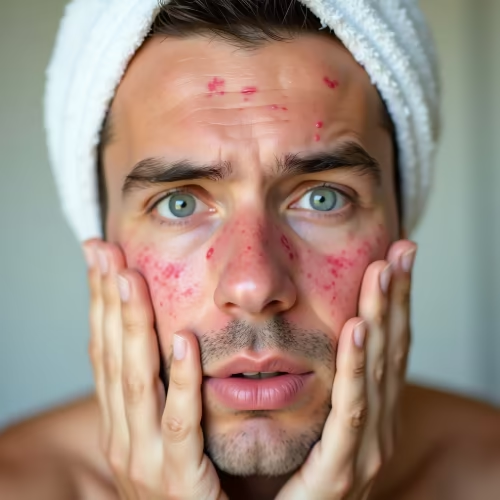
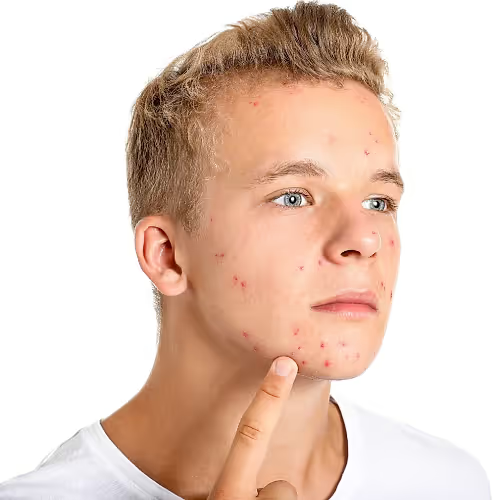
Acne is often misunderstood as simply a result of poor hygiene, but it is influenced by oil production, dead skin buildup, and inflammation. Many people with acne-prone skin swing between over-caring for with harsh products and neglecting barrier care. This can leave skin both oily and dehydrated, making breakouts appear more inflamed. A balanced approach is key to supporting calmer-looking skin.
How photobiomodulation for acne works
Photobiomodulation, commonly known as red light therapy, uses specific wavelengths of red and near-infrared light to support cellular function. When applied to the skin, this gentle light is absorbed by components inside cells that help produce energy. With better energy availability, skin cells may recover more efficiently from stress and inflammation. Over time, this can help breakouts look less red and irritated. Sessions at The DRIPBaR are designed to be comfortable and non-invasive, typically lasting about 10 to 20 minutes. Most people do not experience pain or downtime. Consistency is important for seeing gradual improvements.
LED light therapy for acne-prone skin
LED light therapy is a gentle option for those seeking to calm acne-prone skin. It does not rely on exfoliation or harsh chemicals. Instead, it supports the skin’s natural recovery process.
Red light therapy for breakouts explained
Red light therapy may help reduce the look of inflammation around breakouts. It is often used as a supportive tool alongside a balanced skincare routine. The effect is usually cumulative, with results building over time.
Unlike treatments that target bacteria or exfoliate the skin, red light therapy focuses on supporting calmness and recovery. The light interacts with cellular systems involved in energy metabolism, which may influence how the skin responds to stress. This can lead to breakouts that appear less red and irritated. Many people find it especially helpful when their skin is sensitive or reactive. It is important to note that red light therapy does not replace medical acne care for severe cases. Instead, it works best as part of a broader routine. Consistent sessions are key to seeing benefits.
Photobiomodulation for acne-prone skin
Photobiomodulation is often described as charging the skin’s cellular batteries. By supporting energy production, it helps skin recover from daily stressors. This can be especially valuable for those with sensitive or easily irritated skin.
Red light therapy is non-abrasive and does not require downtime. It can be paired with other gentle skincare habits. Many clients appreciate its simplicity and comfort.
For those struggling with congested pores or blackheads, red light therapy serves as a recovery tool rather than a deep-cleaning method. It supports how skin looks and feels between professional facials or gentle exfoliation steps. If your main concern is inflammation and redness, this therapy may help breakouts appear calmer over time. Sensitive skin types often benefit from its non-irritating approach. It is also useful for supporting a more even complexion after breakouts. Remember, it is not designed to erase pigmentation or scars but to promote a balanced appearance.
Red light therapy sessions: what to expect
During a session, most people experience a mild warmth or gentle heat on their skin. The process is comfortable and does not feel invasive. Afterward, skin may feel relaxed and look subtly refreshed. There is typically no peeling or downtime. Over the next few days, some notice their skin feels calmer and less reactive.
Red light therapy is often scheduled two to three times per week for several weeks, then maintained weekly. Sensitive skin may start with fewer sessions and adjust as needed. The best plan depends on your skin’s response and other treatments.
Routine for acne-prone skin
A consistent routine is essential for those considering red light therapy for acne. This approach works best when paired with gentle cleansing, barrier-friendly skincare, and daily sunscreen. Many people notice that their skin becomes less reactive and more stable over time. The anchor keyword, red light therapy for acne, is most effective as a supportive tool rather than a standalone solution. Combining it with professional facials or hydration support can further enhance results. The goal is to create habits that promote calmness and resilience.
Hydration and barrier support are crucial for acne-prone skin. Stripped or over-treated skin often looks more inflamed and feels uncomfortable. Balanced hydration helps improve comfort and allows acne-focused products to work better. Consistent, gentle care reduces the risk of irritation. This approach supports a more even and refreshed complexion.
Common mistakes
Many people expect instant results from red light therapy, but caring for it as a one-time fix can lead to disappointment. Inconsistent scheduling is another common pitfall, as benefits build with regular use. Over-exfoliating while trying to calm inflammation can undermine progress. Skipping moisturizer or sunscreen may also worsen skin stress. Picking at blemishes increases inflammation and the risk of marks. Constantly switching products makes it hard to identify what works. Avoiding these mistakes helps maximize the benefits of your routine.
- Consistency counts: Regular sessions support gradual improvement.
- Barrier care: Gentle skincare helps maintain calmness.
- Hydration focus: Moisturizer and water intake matter.
- Sun protection: Daily sunscreen reduces stress on skin.
- Minimal actives: Avoid layering multiple strong products.
- No picking: Hands-off approach helps avoid extra irritation.
- Routine stability: Stick with products long enough to assess results.
- Professional support: Consult with wellness specialists for tailored advice.
Pairing red light therapy sessions
Red light therapy can be paired with other wellness services for a comprehensive approach. Hydration support, such as IV infusions, may complement skin comfort and resilience. Antioxidant-focused add-ons can help address oxidative stress, which is linked to skin appearance. Many clients alternate red light therapy with professional facials to manage congestion and recovery. This pairing helps maintain calmness between more intensive treatments. The combination supports a balanced, long-term routine. It is important to personalize your plan based on your skin’s needs.
A monthly plan might include a facial for cleansing and extractions, followed by red light therapy sessions in the weeks after. Sensitive skin types may benefit from a minimalist schedule, focusing on weekly red light therapy and gentle home care. For those with congestion, alternating facials and light therapy can help manage buildup and support recovery. Avoid stacking new treatments in the same week if your skin is reactive. Consistency and patience are key to seeing improvements.
Red light therapy is well-suited for people who want a gentle, supportive approach to acne management. It is especially helpful for those who react to aggressive exfoliation or have a stressed skin barrier. Clients seeking a consistent routine between facials often find it beneficial. It can also support those dealing with post-breakout unevenness. Always consult with a licensed professional if you have concerns about sensitivity or medications.
Managing expectations is important. Most people do not see dramatic changes after one session. Gradual improvements in calmness and skin stability are more realistic goals.
LED light therapy session considerations
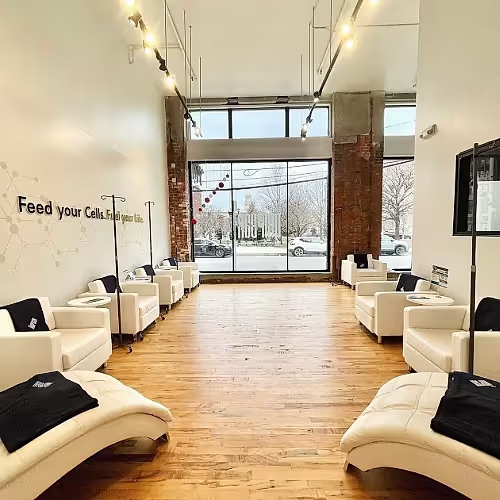
Many guests from SpringHill Suites by Marriott Grand Forks appreciate how easy it is to reach The DRIPBaR for their sessions. The short seven-minute drive means you can fit wellness into even a busy day. This convenience encourages clients to stick with their routine and see better results over time. Having a reliable option nearby supports consistency, which is essential for skin improvements. The welcoming environment at The DRIPBaR helps guests feel comfortable during each visit. Personalized care ensures that every session meets your unique needs.
After a session, most people can resume normal activities right away. Gentle skincare and moisturizer are recommended if skin feels dry. Morning routines should include cleansing, moisturizer, and sunscreen. In the evening, use a gentle cleanser and any prescribed acne treatments, followed by moisturizer. Avoid over-cleansing, harsh scrubs, or picking at blemishes. Consistent, barrier-friendly habits support the benefits of red light therapy.
Red light therapy for acne-prone skin
Red light therapy is not a cure for acne but can help support a calmer, more balanced complexion. It is best used as part of a routine that includes gentle skincare and sun protection. Many people notice their skin looks less reactive and more even with regular sessions. The therapy is non-invasive and fits easily into most schedules. It is important to set realistic expectations and focus on gradual progress. Consistency and patience are key for lasting results.
Some people should be cautious before starting red light therapy. Those with photosensitivity disorders or using medications that increase light sensitivity should consult a medical professional. Active skin infections, open wounds, or severe rashes in the treatment area are also reasons to delay sessions. Eye protection is important during treatment. If you are unsure, seek guidance from a licensed provider.
Aftercare for red light therapy is simple. Resume your normal activities and use gentle skincare products. If your skin feels dry, apply a barrier-friendly moisturizer. In the morning, cleanse and use sunscreen. At night, cleanse again and apply any acne treatments as tolerated. Avoid over-cleansing, picking, or using multiple exfoliants. Stable, gentle routines help maintain the benefits of each session.
Realistic outcomes
Immediate changes are usually subtle, such as a calmer feel or refreshed look. Over several weeks, some people notice less redness and irritation. Long-term consistency supports more stable skin.
Red light therapy is often most helpful for those seeking a gentle, supportive approach to acne care. It is not meant to replace medical treatments for severe acne. Instead, it complements a balanced routine focused on calmness and barrier support. Many clients find that their skin looks and feels better with regular sessions. The therapy is suitable for a wide range of skin types. Always consult a wellness specialist if you have specific concerns.
Supporting acne-prone routines
A three-part routine can help maintain clearer, calmer skin. Start with gentle cleansing and professional facials as needed for congestion. Add red light therapy sessions to support recovery and reduce visible inflammation. Prioritize barrier-friendly skincare, hydration, and sun protection. Avoid overusing strong actives or switching products too often. Consistency is more effective than frequent changes. This approach helps skin look more even and feel less reactive.
Red light therapy is a supportive tool, not a replacement for prescribed acne treatments. It works best as part of a stable, long-term routine. Discuss your plan with a licensed provider if you have questions.
Best practices for red light therapy
Schedule sessions consistently for the best results. Pair red light therapy with gentle skincare and daily sunscreen. Avoid over-exfoliating or introducing multiple new products at once.
The anchor keyword, red light therapy for acne, is most effective when used as part of a broader wellness plan. Many people combine it with hydration support or antioxidant add-ons for enhanced benefits. Consistency and patience are essential for seeing improvements. Remember, gradual progress is more realistic than overnight changes. Consult with a wellness specialist to personalize your approach.
Combining therapies
Pairing red light therapy with professional facials can help manage congestion and recovery. Hydration-focused IV infusions may support overall skin comfort. Antioxidant add-ons are another option for those seeking comprehensive care. Each plan should be tailored to your skin’s needs.
Red light therapy is a gentle, non-invasive way to support acne-prone skin. It is especially helpful for those who react to harsh treatments or want a consistent routine. Many clients find that combining therapies leads to better outcomes. Always discuss your goals with a licensed professional. Personalized care ensures the best experience.
Red light therapy sessions: realistic results
Most people do not see dramatic changes after a single session. Gradual improvements in calmness and skin stability are more common. Over time, regular sessions can help skin look less red and more balanced. The best results come from pairing therapy with gentle skincare and sun protection. Set realistic expectations and focus on steady progress.
Red light therapy is suitable for many people, especially those with sensitive or reactive skin. It is important to avoid over-caring for or introducing multiple new products at once. Consistent, barrier-friendly routines support the benefits of therapy. If you have questions about sensitivity or medications, consult with a licensed provider. Personalized plans help ensure safety and effectiveness.
Aftercare is simple and focuses on maintaining calmness. Use gentle skincare, moisturizer, and sunscreen daily. Avoid picking or over-cleansing. Stable routines help preserve the benefits of each session. If you notice irritation, simplify your products and seek advice.
Long-term maintenance tips
Stick with a consistent schedule for ongoing results. Adjust your routine as your skin’s needs change. Consult with a wellness specialist for personalized advice.
Red light therapy is a supportive option for those seeking gentle acne care. Pair it with hydration, barrier support, and sun protection. Avoid harsh treatments that can disrupt progress. Consistency is key to seeing improvements.
Many people find that red light therapy fits easily into their lifestyle. It is non-invasive and requires little downtime. The therapy works best as part of a stable, long-term routine. Personalized care ensures your plan meets your unique needs. Consult with a licensed provider if you have questions.
Driving Directions From SpringHill Suites by Marriott Grand Forks
Visit The DRIPBaR Grand Forks today for your session
- From SpringHill Suites by Marriott Grand Forks, head east on 29th Ave S. (About 0.1 miles / 1 min)
- Turn right onto S 42nd St and continue south. (About 0.7 miles / 2 min)
- Turn left onto 32nd Ave S. (About 1.0 miles / 2 min)
- Continue to 40th Ave S and proceed west. (About 0.2 miles / 38 sec)
- Turn left toward S Columbia Rd. (About 0.1 miles / 42 sec)
- Turn left onto S Columbia Rd.
- Arrive at The DRIPBaR Grand Forks, 4177 S Columbia Rd Suite 106, Grand Forks, ND 58201.
What to expect from red light therapy sessions
Red light therapy at The DRIPBaR Grand Forks is designed to support skin recovery and promote a calmer appearance over time. Sessions are comfortable, non-invasive, and fit easily into most routines. Results build gradually with consistency and gentle care. Review what to expect and discuss your goals with a wellness specialist before starting.
Additional Related Resources
For more tips on caring for acne-prone skin, the American Academy of Dermatology offers helpful advice on gentle routines and barrier support. Visit their page for practical guidance: AAD acne care tips for calmer skin.