
Is pelvic discomfort affecting you?
Bladder inflammation often leads to pelvic discomfort and urinary urgency. These symptoms can disrupt daily routines and cause ongoing frustration. Exploring supportive therapies may help manage discomfort and improve comfort over time.
Find Relief and Restore Bladder Comfort
Support for urinary wellness.
Bladder inflammation can cause persistent discomfort, frequent urination, and a burning sensation that disrupts daily life. The DRIPBaR offers supportive therapies designed to help reduce inflammation, promote tissue repair, and enhance urinary comfort. Through targeted hydration and nutrient infusions, clients may experience relief from pelvic pressure and improved bladder resilience. These services are intended to complement traditional care and provide ongoing support for those with chronic or recurrent symptoms.
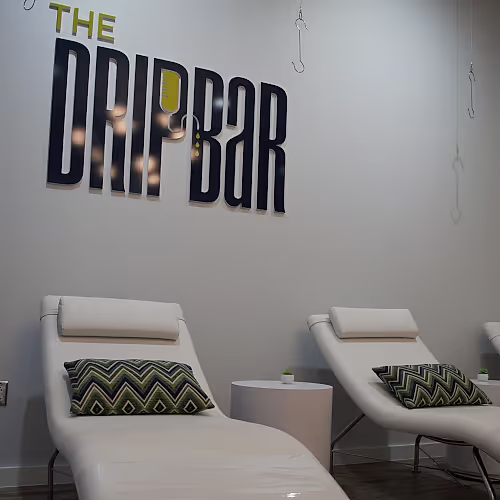
Clients at The DRIPBaR Grand Forks can access integrative wellness options that focus on reducing urinary tract irritation and supporting immune health. By combining hydration therapy with calming and restorative approaches, individuals may notice a reduction in symptom flare-ups and improved overall well-being. Our team is committed to helping you find comfort and balance. Book your appointment today to begin your path toward better bladder health.
Did you know?
Bladder inflammation is more common in women and can be triggered by infections, stress, or chemical irritants.
Understanding Bladder Inflammation
Bladder inflammation, also called cystitis, occurs when the bladder lining becomes irritated and swollen. This condition may result from bacterial infections, chemical irritants, certain medications, or chronic issues like interstitial cystitis. The inflammation disrupts the bladder’s protective barrier, allowing urine irritants to aggravate the tissue and cause discomfort. Symptoms often include urinary urgency, frequent urination, pelvic pressure, and sometimes a burning sensation during urination.
Common triggers include stress, hormonal changes, dietary factors, and imbalances in the urinary tract microbiome. Managing bladder inflammation typically involves identifying and addressing these triggers, along with medical treatments when necessary. Supportive therapies such as hydration, nutrient infusions, and lifestyle adjustments can help reduce symptom severity. Consistent care and attention to wellness habits are important for long-term comfort and bladder health.
Symptoms of Bladder Inflammation
Bladder inflammation often presents with a sudden urge to urinate, even when the bladder is not full. Many people experience frequent urination, which can disrupt daily activities and sleep patterns. Pelvic discomfort or pressure is another common sign, sometimes accompanied by a burning sensation during urination. These symptoms may vary in intensity and can fluctuate over time.
Some individuals notice that their symptoms worsen after exposure to certain foods, stress, or hormonal changes. Chronic forms of bladder inflammation can lead to ongoing discomfort and increased sensitivity in the pelvic region. In some cases, the bladder lining becomes more vulnerable to irritation, making flare-ups more likely. Recurrent symptoms may prompt individuals to seek additional support or alternative therapies.
It is not uncommon for those with bladder inflammation to experience fatigue or emotional strain due to persistent discomfort. The unpredictable nature of symptoms can impact quality of life and lead to frustration. Recognizing patterns and triggers is important for effective management. Early intervention and supportive care may help reduce the frequency and severity of symptom episodes.
Traditional Treatments
Conventional care for bladder inflammation depends on the underlying cause and may include antibiotics, anti-inflammatory medications, and bladder instillations. Lifestyle adjustments, such as avoiding known irritants and maintaining proper hydration, are also recommended. Some individuals benefit from pelvic floor therapy or stress management techniques to help reduce symptom flare-ups. These approaches aim to address both immediate discomfort and long-term bladder health. For chronic or non-infectious forms, integrative wellness strategies may be considered alongside standard care. Nutrient infusions, hydration therapies, and immune support can offer additional relief for some people. These methods are not a substitute for medical treatment but may help manage ongoing symptoms and improve comfort. Regular follow-up with a healthcare provider is important to monitor progress and adjust care as needed.
How IV Therapy May Help
Targeted hydration and nutrient support can help reduce inflammation and promote tissue repair in the bladder. By delivering vitamins, minerals, and antioxidants directly into the bloodstream, these therapies may ease pelvic discomfort and support immune function. Controlled dosing and professional supervision ensure that each session is tailored to individual needs. This approach can complement traditional treatments and provide ongoing support for urinary wellness. Clients benefit from a relaxing environment and a focus on whole-body wellness. Integrative services are designed to help manage stress, improve circulation, and enhance the body’s natural recovery processes. While not a replacement for medical care, these therapies may help reduce symptom severity and support long-term comfort. Consistent support and attention to well-being can make a meaningful difference for those living with bladder inflammation.
Supportive Options for Bladder Comfort
Specialized wellness services can help ease pelvic discomfort and support urinary health. These offerings focus on reducing inflammation and promoting tissue recovery. Integrative care may enhance comfort for those managing bladder inflammation.
Infrared Sauna
Infrared sauna therapy applies targeted heat to penetrate beneath the skin, encouraging improved circulation and toxin elimination. This approach supports muscle recovery and skin health by promoting nutrient delivery and hydration. The calming environment enhances relaxation and complements other wellness services. Regular sessions may help maintain physical comfort and mental clarity. This therapy offers a non-invasive way to support overall well-being and recovery.
Read moreSoother
Soother is an intravenous infusion that provides essential minerals and amino acids to support the nervous and muscular systems. By delivering magnesium, calcium, and taurine directly into the bloodstream, it promotes muscle relaxation, mental balance, and improved sleep quality. This therapy offers a gentle, effective way to reduce tension and mental fatigue. It is suitable for individuals seeking non-sedating support for stress and physical discomfort. The infusion bypasses digestive absorption for faster results. It can be integrated into wellness routines to enhance overall calm and resilience.
Very knowledgeable people have a answer for every question
Great service and selection!
Amazing services! My favourite place to go for drip. Stacey is excellent as well as the rest of her staff 🙂
Love it!
Super friendly and caring customer service!!
Read more
Ready to Get Started?
Feel your best with a treatment designed to support your goals! Whether you’re looking for hydration, energy, immune support, recovery, or overall wellness, our team will help you choose the right option and make sure your experience is comfortable from start to finish. Click the Book Appointment button below to pick your reserve a time that fits your schedule.