
Are you struggling with cancer fatigue?
Fatigue is a common concern for those undergoing cancer care, often making daily tasks feel overwhelming. This persistent tiredness can linger even after treatment ends, affecting your overall quality of life. Monitoring your energy levels and seeking supportive care can help you manage these changes.
Support Recovery and Restore Vitality
Personalized IV support.
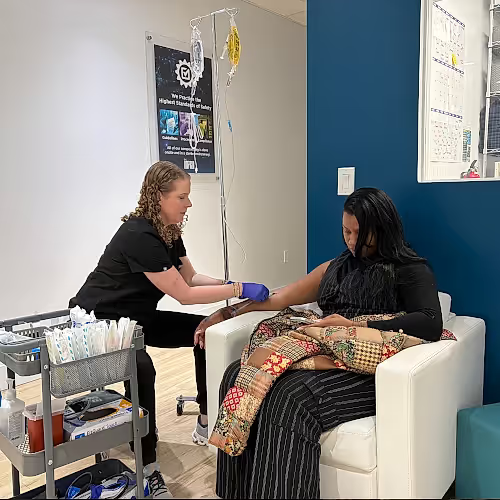
IV therapy can help replenish vital nutrients, support hydration, and promote energy during and after cancer treatment. By targeting nutrient depletion and oxidative stress, these therapies offer a gentle way to help the body recover and maintain resilience. Many individuals find that IV support helps them feel more balanced and better able to manage the effects of treatment. Our approach is designed to complement your oncology plan and improve your overall well-being.
The DRIPBaR Grand Forks provides tailored IV therapies that focus on restoring strength and supporting your recovery journey. Our licensed providers work with you to address your unique needs and help you feel your best. Each session is designed for comfort and safety, with your health as our top priority. Book your appointment today to experience the benefits of IV therapy.
Did you know?
Cancer-related fatigue can persist for months after treatment, affecting daily activities and overall well-being.
Understanding Cancer Care Support
What does cancer care support involve, and why is it important? Cancer is a group of diseases marked by abnormal cell growth that can spread to other parts of the body. Treatments such as chemotherapy, radiation, and surgery target cancer cells but may also impact healthy tissues. This can lead to fatigue, immune suppression, and nutrient depletion.
Common triggers for these challenges include the intensity of treatment, individual health status, and lifestyle factors. Managing cancer care involves a combination of medical therapies, healthy habits, and supportive measures. Prevention strategies focus on reducing risk factors and supporting the body’s natural defenses. Integrative approaches, including hydration and nutrient support, can play a valuable role in overall wellness.
Symptoms of Treatment Side Effects
Fatigue is one of the most common symptoms experienced during cancer care, often making it difficult to maintain daily routines. Many people also notice a decline in energy, which can be accompanied by muscle weakness and difficulty concentrating. These symptoms may persist even after treatment ends, affecting both physical and mental well-being. Monitoring these changes is important for ongoing support.
Other symptoms can include dehydration, dry mouth, and changes in appetite, which may result from chemotherapy or radiation. Some individuals experience nerve discomfort, muscle cramps, or tingling sensations, particularly if nutrient levels become imbalanced. Immune suppression can increase the risk of infections, making it important to stay vigilant about overall health. Supportive care can help address these issues and promote recovery.
Emotional symptoms such as anxiety, mood changes, and sleep disturbances are also common during cancer care and recovery. These feelings may be linked to the stress of assessment, treatment side effects, or uncertainty about the future. Seeking support from healthcare professionals and loved ones can make a significant difference. Addressing both physical and emotional symptoms is key to improving quality of life.
Traditional Treatments
Standard cancer treatments include surgery, chemotherapy, radiation therapy, targeted therapies, and immunotherapy. These approaches are designed to destroy or inhibit cancer cells, but they can also affect healthy tissues and lead to side effects such as fatigue, immune suppression, and nutrient loss. Supportive care is often recommended to help manage these effects and improve comfort. Additional strategies may include nutritional counseling, physical therapy, and stress management techniques. Some individuals benefit from integrative therapies that focus on hydration, nutrient replenishment, and immune support. These approaches are not a replacement for primary cancer treatment but can help enhance resilience and recovery. Working closely with your oncology team ensures that all therapies are coordinated for your safety.
How IV Therapy May Help
IV therapy at The DRIPBaR offers a way to deliver hydration and essential nutrients directly into the bloodstream, supporting the body’s recovery process. This method allows for controlled dosing of vitamins, minerals, and antioxidants, which can help reduce oxidative stress and promote tissue repair. Many people find that IV therapy helps them feel more energized and better able to manage the effects of treatment. Our services are designed to complement your existing care plan and focus on your comfort and safety. Each session is supervised by licensed providers who tailor the therapy to your individual needs and health goals. The environment is calm and supportive, making it easier to relax during your visit. By addressing nutrient depletion and hydration, IV therapy can play a valuable role in your overall wellness strategy. We are committed to helping you feel your best throughout your recovery journey.
IV Nutrient Support for Recovery
Specialized IV therapies can help restore hydration, replenish nutrients, and support immune balance during cancer care. These offerings are designed to ease fatigue and promote overall wellness. Each session is tailored to your unique needs.
Allergy
Allergy therapy provides a targeted infusion of antioxidants and essential minerals to support the immune system and reduce inflammation. Key ingredients such as Vitamin C, NAC, Magnesium, and Zinc work together to promote tissue repair and respiratory relief. This approach delivers nutrients directly into the bloodstream for faster effects. It is designed to help restore energy and mental clarity during periods of immune stress. The therapy is suitable for those experiencing seasonal symptoms or recovering from viral illnesses. Regular treatments may enhance overall resilience and wellness. This infusion offers a comprehensive option for immune support and recovery.
Glutathione
Glutathione
Glutathione is a critical antioxidant delivered intravenously to support the body’s detoxification and cellular repair processes. This therapy helps neutralize free radicals, reduce oxidative stress, and enhance liver function. It supports immune resilience and promotes healthier skin and energy levels. Many clients notice improved mental clarity and recovery after sessions. This infusion is designed for those seeking proactive wellness and targeted support. It offers a direct and effective way to replenish essential antioxidants.
High Dose Vitamin C
High Dose Vitamin C is an intravenous therapy that delivers elevated levels of ascorbic acid directly into the bloodstream. This approach bypasses digestive limitations, providing potent antioxidant effects and supporting immune cell function. It promotes collagen synthesis, aiding tissue repair and vascular health. The infusion is often used as supportive care during intensive medical treatments to improve quality of life. It is tailored to individual needs and administered under professional supervision. This therapy may help reduce fatigue and enhance overall wellness during recovery. It offers a targeted way to support the body’s natural recovery processes.
Very knowledgeable people have a answer for every question
Great service and selection!
Amazing services! My favourite place to go for drip. Stacey is excellent as well as the rest of her staff 🙂
Love it!
Super friendly and caring customer service!!
Ready to Get Started?
Feel your best with a treatment designed to support your goals! Whether you’re looking for hydration, energy, immune support, recovery, or overall wellness, our team will help you choose the right option and make sure your experience is comfortable from start to finish. Click the Book Appointment button below to pick your reserve a time that fits your schedule.
What environmental factors can affect Cancer Care Support outcomes?
Environmental factors like stress, diet, and exposure to toxins can influence recovery and overall health. Maintaining a nutrient-rich diet and staying hydrated are important for supporting the body. Reducing exposure to harmful substances may help improve outcomes. A supportive environment can make a positive difference.
What are the post-session do’s and don’ts after Cancer Care Support?
After your session, stay hydrated and rest if you feel tired. Avoid strenuous activity for the remainder of the day. Monitor for any unusual symptoms and contact your provider if you have concerns. Follow any additional instructions provided by your healthcare provider.