
Struggling with ongoing digestive discomfort?
Living with persistent digestive symptoms can be exhausting, especially when flare-ups disrupt daily life. Comparing different management strategies may reveal new ways to ease discomfort and restore balance. Recognizing early signs and seeking support can help improve your overall well-being.
Find Relief and Restore Balance Naturally
Support for digestive health.
Managing Crohn’s Disease often means addressing both nutrient loss and inflammation, which can leave you feeling fatigued and depleted. The DRIPBaR offers targeted IV therapies that deliver hydration and essential nutrients directly into your system, helping to support energy, immune balance, and tissue repair. These therapies are designed to complement your existing care plan, offering a natural way to replenish what your body needs. By focusing on restoring balance, you may experience improved resilience and a greater sense of well-being.
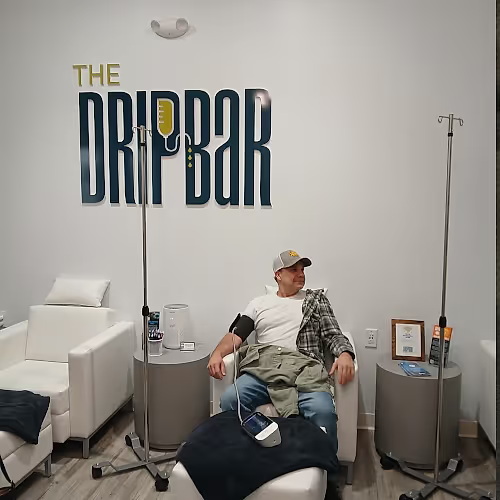
At The DRIPBaR Grand Forks, our team tailors IV therapy to help you manage symptoms and recover after flare-ups. Each session is supervised by licensed providers who prioritize your comfort and safety. Regular support can help you feel more in control of your health journey. Book your appointment today to explore how IV therapy can fit into your Crohn’s Disease management.
Did you know?
Crohn’s Disease can lead to nutrient deficiencies due to impaired absorption in the digestive tract.
Understanding Crohn's Disease
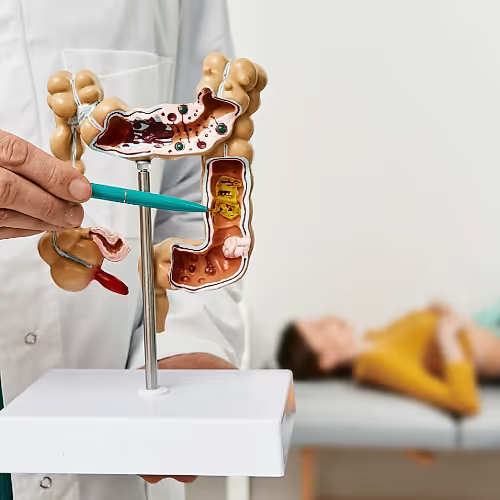
Crohn’s Disease is a chronic inflammatory bowel condition that affects the digestive tract, most commonly the end of the small intestine and the start of the colon. It causes persistent inflammation, which can result in abdominal pain, diarrhea, fatigue, weight loss, and malnutrition. The exact cause is not fully understood, but factors like genetics, immune response, and environmental triggers play a role. Inflammation can penetrate deep into the bowel wall, sometimes leading to complications such as strictures or fistulas.
Common triggers for Crohn’s Disease flare-ups include stress, certain foods, infections, and changes in medication. Managing the condition often involves a combination of medication, nutritional support, and lifestyle adjustments. Early recognition of symptoms and regular follow-up with healthcare providers are important for maintaining remission and avoiding complications. Integrative approaches, such as IV therapy, can help address nutrient deficiencies and support overall health.
Common Symptoms of Crohn's Disease
Symptoms of Crohn’s Disease can vary widely, but abdominal pain and cramping are among the most common complaints. Many people also experience chronic diarrhea, which may be accompanied by urgency and discomfort. Fatigue is frequent, often linked to nutrient loss and inflammation. Weight loss and reduced appetite can develop over time, especially during active flare-ups.
Other symptoms may include fever, joint pain, and mouth sores, reflecting the systemic nature of the disease. Some individuals notice blood in their stool or develop complications like strictures or fistulas. The severity and frequency of symptoms can change, with periods of remission followed by flare-ups. Environmental factors, stress, and dietary choices may influence symptom patterns.
Children and adolescents with Crohn’s Disease may experience delayed growth or puberty due to chronic inflammation and malnutrition. Mental well-being can also be affected, as ongoing symptoms may disrupt daily routines and social activities. Monitoring for new or worsening symptoms is important for timely intervention. Working with healthcare professionals helps tailor management strategies to individual needs.
Traditional Treatments
When Crohn's Disease is identified, treatment typically focuses on reducing inflammation and managing symptoms. Medications such as corticosteroids, immunosuppressants, and biologics are often prescribed to control flare-ups and maintain remission. Nutritional therapy may be recommended to address deficiencies and support recovery, especially during periods of active disease. In some cases, antibiotics or other medications are used to manage complications. If symptoms persist or complications arise, surgical intervention may be considered to remove affected portions of the digestive tract. Ongoing care involves regular monitoring, dietary adjustments, and stress management to help you avoid relapses. Supportive therapies, including hydration and nutrient replenishment, can play a role in recovery and long-term wellness. Collaborating with healthcare providers ensures a comprehensive approach tailored to each individual's needs.
How IV Therapy May Help
Integrating IV therapy into your care plan can provide targeted support for hydration, nutrient balance, and immune function. These therapies are designed to deliver vitamins, minerals, and antioxidants directly into your bloodstream, bypassing digestive limitations that can occur with Crohn's Disease. Regular sessions may help address fatigue and support tissue repair, contributing to a steadier sense of well-being. While individual results vary, many find that consistent support complements other management strategies. Our team prioritizes safety and comfort, with licensed providers overseeing each session and adjusting care to your needs. IV therapy is not a replacement for traditional treatments but can be a valuable addition to your overall plan. By focusing on steady, ongoing support, you may experience improved resilience and energy. Discussing your goals with our staff helps ensure that your care is both effective and personalized.
IV Support for Digestive Wellness
Certain IV therapies can help restore hydration and essential nutrients for those managing Crohn’s Disease. These offerings are designed to support immune balance and recovery. Regular sessions may promote greater resilience and comfort.
Pre/Post-Op
Pre/Post-Op is an intravenous infusion designed to support the body’s needs before and after surgery. It delivers hydration and key nutrients such as Vitamin C, Magnesium, and Zinc directly into the bloodstream for efficient absorption. This therapy promotes collagen production, immune support, and reduces oxidative stress caused by surgical trauma. It also aids in restoring energy and mood balance during recovery. Suitable for individuals preparing for surgery or seeking enhanced recovery, it offers a comprehensive approach to surgical resilience and tissue repair.
Read moreRestoration
Restoration is an intravenous therapy that delivers fluids and essential nutrients directly into the bloodstream for fast absorption. It includes key ingredients like Ascorbic Acid, Magnesium, and Zinc to support immune health, energy production, and muscle function. This therapy helps restore hydration and electrolyte balance, promoting overall recovery. It is suitable for individuals seeking to improve energy levels and support their body’s natural resilience. Restoration offers a targeted approach to wellness without relying on oral supplements alone.
Very knowledgeable people have a answer for every question
Great service and selection!
Amazing services! My favourite place to go for drip. Stacey is excellent as well as the rest of her staff 🙂
Love it!
Super friendly and caring customer service!!
Read more
Ready to Get Started?
Feel your best with a treatment designed to support your goals! Whether you’re looking for hydration, energy, immune support, recovery, or overall wellness, our team will help you choose the right option and make sure your experience is comfortable from start to finish. Click the Book Appointment button below to pick your reserve a time that fits your schedule.
What nutritional approaches may benefit Crohn's Disease?
Nutritional approaches for Crohn’s Disease often focus on replenishing lost vitamins and minerals, especially during flare-ups. IV therapy can deliver nutrients directly, bypassing absorption challenges in the digestive tract. Maintaining hydration and balanced electrolytes is also important. Consulting with healthcare providers helps tailor nutritional support to individual needs.
What is the value of community support when starting Crohn's Disease care?
Community support can provide encouragement, shared experiences, and practical advice for managing Crohn’s Disease. Connecting with others facing similar challenges may reduce feelings of isolation. Support groups and online forums offer a sense of belonging. Engaging with community resources can make the journey less overwhelming.
What workplace accommodations may help with Crohn's Disease?
Workplace accommodations for Crohn’s Disease can include flexible scheduling, access to restrooms, and the option to work remotely when needed. Open communication with employers about your needs is important. Some people benefit from written plans outlining support measures. These adjustments can help maintain productivity and comfort at work.