
Can MS symptoms disrupt daily life?
When nerve signals are interrupted, fatigue and weakness can make daily routines challenging. These changes may appear gradually or suddenly, affecting mobility and focus. Managing symptoms often requires ongoing adjustments and support.
Support for Energy and Neurological Health
Personalized IV nutrient support.
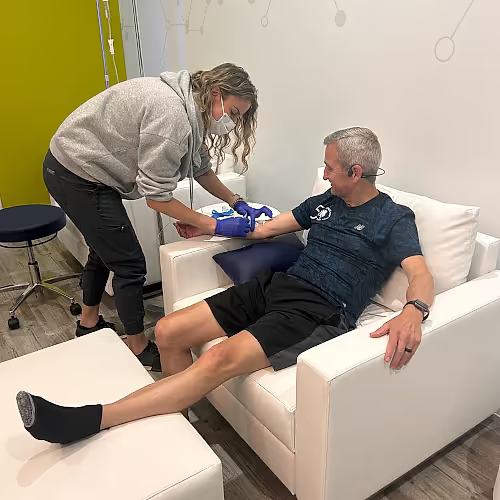
Targeted IV nutrient therapy can help address fatigue, inflammation, and neurological stress often experienced with Multiple Sclerosis (MS). By delivering essential vitamins, minerals, and antioxidants directly into the bloodstream, this approach supports cellular repair and energy production. Many individuals find that regular IV infusions contribute to improved stamina and mental clarity. Consistent care may help manage symptoms and promote better daily function.
The DRIPBaR Grand Forks offers a range of IV therapies designed to complement traditional MS management strategies. Our licensed providers provide safe, supervised sessions tailored to your unique needs. With a focus on holistic wellness, we aim to help you feel your best each day. Book your appointment to explore supportive options for MS.
Did you know?
Multiple Sclerosis (MS) most often affects adults between ages 20 and 50, with women being identified more frequently than men.
Understanding Multiple Sclerosis (MS)
Multiple Sclerosis (MS) is a chronic autoimmune disorder where the immune system attacks the myelin sheath protecting nerve fibers in the brain and spinal cord. This process disrupts nerve signaling, leading to a range of neurological symptoms that can vary in severity and pattern. MS can present as relapsing-remitting, primary progressive, or secondary progressive forms, each with its own progression and symptom profile. The exact cause remains unclear, but genetic and environmental factors, such as vitamin D deficiency or certain infections, may play a role.
Common triggers for MS symptoms include stress, infections, and overheating, which can worsen fatigue or neurological issues. Managing MS typically involves a combination of medication, rehabilitation, and lifestyle adjustments to help address symptoms. Early recognition and ongoing support are important for maintaining quality of life. A personalized approach can help individuals respond to changing needs over time.
Symptoms of Multiple Sclerosis
Fatigue is one of the most common and persistent symptoms of Multiple Sclerosis (MS), often interfering with daily activities and work. Muscle weakness, numbness, or tingling can develop in various parts of the body, sometimes making movement or coordination difficult. Visual disturbances, such as blurred or double vision, may occur during flare-ups or as the disease progresses. Cognitive changes, including problems with memory or concentration, can also impact daily routines.
Many people with MS experience symptoms that come and go, especially in the relapsing-remitting form. Episodes of increased weakness, balance problems, or sensory changes may be followed by periods of partial recovery. Some individuals notice that heat, stress, or infections can trigger or worsen their symptoms. Over time, symptoms may become more consistent or gradually worsen, particularly in progressive forms of MS.
Other symptoms can include muscle spasms, pain, or bladder and bowel changes. These issues may require ongoing management and can affect independence and mental well-being. Each person’s experience with MS is unique, and symptom patterns can vary widely between individuals. Regular monitoring and supportive care are important to address new or changing symptoms.
Traditional Treatments
Conventional care for Multiple Sclerosis (MS) often begins with disease-modifying therapies (DMTs) that aim to reduce the frequency of relapses. These medications work by modulating the immune system to decrease inflammation and protect nerve fibers. Rehabilitation therapies, such as physical and occupational therapy, help maintain mobility, strength, and daily function. Additional strategies may include speech therapy, counseling, and adaptive equipment to support independence. Symptom management is a key part of MS care, with medications available to address fatigue, muscle spasms, pain, or bladder issues. Lifestyle modifications, including regular exercise, balanced nutrition, and stress management, can also play a role in overall well-being. Some individuals explore complementary approaches, such as IV nutrient therapy, to support energy and neurological health. Ongoing communication with healthcare providers helps tailor treatment plans as needs change.
How IV Therapy May Help
At The DRIPBaR, IV therapy is designed to deliver a carefully selected blend of nutrients and antioxidants directly into your bloodstream. This approach allows for higher absorption and targeted support, which may help reduce inflammation, promote cellular repair, and support neurological function. Licensed providers oversee each session, ensuring safety and comfort throughout your experience. Regular IV therapy can be a valuable addition to your overall wellness plan, especially when managing chronic symptoms. Our services are tailored to meet the unique needs of individuals living with MS, focusing on energy, immune balance, and daily resilience. By combining hydration with essential vitamins and minerals, we aim to help you feel more energized and mentally clear. While IV therapy is not a replacement for traditional medical treatments, it can complement your existing care. Consistent, supportive sessions may contribute to improved quality of life over time.
Nutrient Support for Neurological Wellness
Specialized IV therapies can help address fatigue, inflammation, and neurological stress. These offerings provide targeted nutrients to support energy and cognitive clarity. Consistent care may promote better daily function for those managing MS.
Allstar
Allstar delivers a comprehensive mix of vitamins, minerals, and amino acids to support physical stamina and cognitive function. By bypassing digestive absorption, it provides rapid nutrient delivery for muscle recovery and immune support. This therapy is suitable for active individuals and those managing fatigue or stress. It helps reduce muscle soreness and enhances mental focus. The infusion promotes overall wellness and resilience through targeted nutrient replenishment.
Read moreMetabolize
Metabolize is an intravenous infusion that delivers key nutrients such as Ascorbic Acid (Vitamin C), Magnesium, and B-Complex vitamins directly into the bloodstream. This targeted delivery supports the body’s ability to convert nutrients into energy and helps maintain mental focus. The infusion also provides antioxidants that protect cells from oxidative stress and aid in tissue repair. It is suitable for individuals seeking to improve energy levels and metabolic efficiency. Regular use can complement healthy lifestyle choices and support overall vitality. This approach bypasses digestive absorption limits for faster nutrient availability.
Read moreNAD+
Nicotinamide Adenine Dinucleotide (NAD) is a vital coenzyme involved in energy production, DNA repair, and mitochondrial function. This therapy delivers NAD intravenously to bypass digestive limitations and ensure rapid cellular uptake. It supports neurological health by enhancing neurotransmitter synthesis and neuroplasticity. The infusion also helps reduce oxidative stress and inflammation, promoting tissue protection. This approach aims to restore energy, improve focus, and support long-term cellular resilience. It is tailored to individual wellness goals and administered in a professional setting.
Very knowledgeable people have a answer for every question
Great service and selection!
Amazing services! My favourite place to go for drip. Stacey is excellent as well as the rest of her staff 🙂
Love it!
Super friendly and caring customer service!!
Read more
Ready to Get Started?
Feel your best with a treatment designed to support your goals! Whether you’re looking for hydration, energy, immune support, recovery, or overall wellness, our team will help you choose the right option and make sure your experience is comfortable from start to finish. Click the Book Appointment button below to pick your reserve a time that fits your schedule.