
Struggling with ongoing fatigue?
Managing persistent tiredness can feel overwhelming compared to recovering from a typical cold. Symptoms may linger and disrupt your daily routine, making it hard to regain your usual energy. Individual experiences vary, so it’s important to adapt your approach and seek support when needed.
Support Your Immune System Naturally
Targeted support for recovery.
Many people with Epstein-Barr Virus (EBV) experience lingering fatigue and immune challenges that can disrupt daily life. The DRIPBaR offers IV therapies designed to help replenish vital nutrients, support immune balance, and promote recovery. These therapies may help reduce inflammation, restore energy, and address symptoms that persist after acute infection. Each session is tailored to individual needs, providing a supportive environment for those seeking relief.
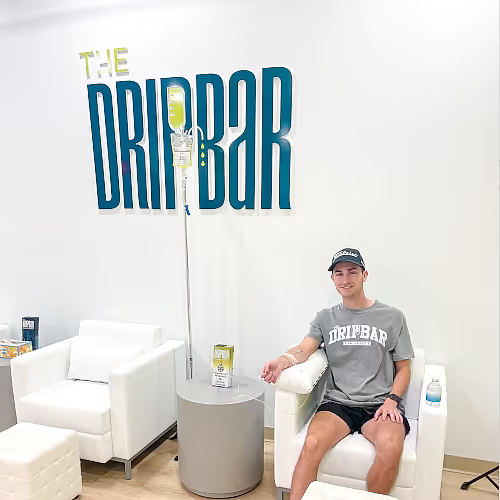
Clients at The DRIPBaR Grand Forks benefit from a comprehensive approach that combines hydration, antioxidants, and immune-supportive nutrients. Licensed providers oversee each session to ensure safety and comfort. Regular visits can help maintain resilience and support long-term wellness. Book your appointment today to take the next step toward feeling better.
Did you know?
Epstein-Barr Virus can remain dormant in the body and reactivate years after the initial infection.
Understanding Epstein-Barr Virus Recovery
Imagine feeling exhausted for weeks after a viral illness, with energy levels slow to return. Epstein-Barr Virus (EBV) is a common herpesvirus that causes infectious mononucleosis and can remain dormant in the body. When reactivated, it may lead to persistent fatigue, immune system imbalance, and even contribute to certain autoimmune conditions. EBV is typically spread through saliva, but can also be transmitted via blood or other bodily fluids.
Triggers for EBV reactivation include chronic stress, immune suppression, and underlying health conditions. Managing EBV involves supporting the immune system, reducing inflammation, and addressing lingering symptoms like brain fog or muscle weakness. There is no cure, so symptom management and lifestyle adjustments are key. Professional guidance can help tailor strategies for long-term recovery.
Symptoms of Epstein-Barr Virus
Fatigue is one of the most common and persistent symptoms associated with Epstein-Barr Virus (EBV). Many people notice profound tiredness that does not improve with rest, making daily activities more challenging. This exhaustion can last for weeks or even months, affecting work, school, and social life. Some individuals also report headaches, sore throat, and swollen lymph nodes during acute infection.
As EBV becomes chronic or reactivates, symptoms may shift to include muscle weakness, joint pain, and ongoing brain fog. People often describe difficulty concentrating, memory lapses, and reduced exercise tolerance. These issues can make it hard to maintain routines or enjoy favorite activities. Emotional changes, such as irritability or low mood, may also occur.
Other signs can include low-grade fever, night sweats, and sensitivity to stress. Some experience recurring viral symptoms or immune imbalance, especially during times of illness or increased stress. Recognizing these patterns early can help guide supportive care and symptom management. Each person’s experience with EBV is unique, so symptoms and severity can vary widely.
Traditional Treatments
Traditional management of Epstein-Barr Virus (EBV) focuses on relieving symptoms and supporting the body’s recovery process. Rest, hydration, and balanced nutrition are key components, along with over-the-counter medications to reduce fever or discomfort. Licensed providers may recommend gentle activity and stress reduction to help the immune system recover. There is currently no antiviral medication specifically for EBV, so care is tailored to individual needs. For those with prolonged or recurrent symptoms, additional support may include targeted nutrient therapy, physical therapy, or counseling. Addressing underlying health conditions and monitoring for complications is important. Some people benefit from regular follow-up to adjust their care plan as symptoms change. The goal is to improve quality of life and help individuals return to their normal activities as safely as possible.
How IV Therapy May Help
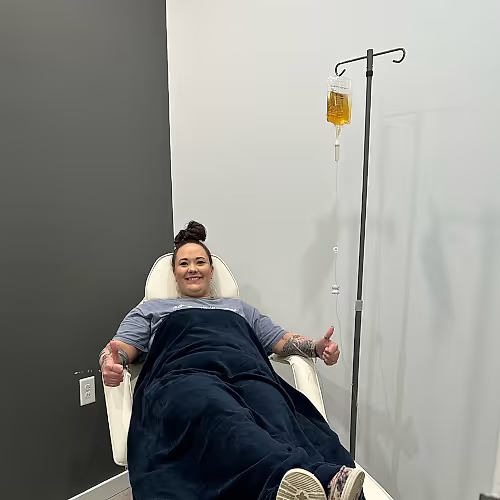
Many people recovering from Epstein-Barr Virus (EBV) find that targeted IV nutrient therapy can help address lingering fatigue and immune imbalance. By delivering vitamins, minerals, and antioxidants directly into the bloodstream, these therapies support energy production, immune function, and cellular repair. This approach allows for precise dosing and rapid absorption, which may be especially helpful for those with ongoing symptoms. Licensed providers oversee each session to ensure comfort and safety throughout the process. IV therapy at The DRIPBaR is tailored to individual needs, offering a supportive environment for recovery. Clients often report improved stamina, mental clarity, and overall resilience after regular sessions. Combining hydration with immune-supportive nutrients can help the body manage inflammation and recover more efficiently. This integrative approach complements traditional care and provides an additional option for those seeking to regain their vitality.
Nutrient Support for Lasting Recovery
Specialized IV therapies deliver essential nutrients to help manage fatigue and support immune balance. These offerings are designed to address the unique needs of those recovering from Epstein-Barr Virus (EBV). Each session is tailored to promote energy, resilience, and overall wellness.
Allergy
Allergy therapy provides a targeted infusion of antioxidants and essential minerals to support the immune system and reduce inflammation. Key ingredients such as Vitamin C, NAC, Magnesium, and Zinc work together to promote tissue repair and respiratory relief. This approach delivers nutrients directly into the bloodstream for faster effects. It is designed to help restore energy and mental clarity during periods of immune stress. The therapy is suitable for those experiencing seasonal symptoms or recovering from viral illnesses. Regular treatments may enhance overall resilience and wellness. This infusion offers a comprehensive option for immune support and recovery.
Read morePowerpack
Powerpack offers a comprehensive infusion of vitamins, minerals, and amino acids to support physical and mental energy. It delivers nutrients such as Ascorbic Acid, Magnesium, and B-Complex directly into the bloodstream for rapid absorption. This approach helps reduce fatigue, improve muscle recovery, and enhance cognitive clarity. Suitable for active individuals and those managing stress, it supports overall wellness and stamina. The infusion is administered by licensed providers to ensure safety and personalized care.
Read moreShield
Shield offers targeted nutrient support to enhance immune function and promote energy renewal. This infusion includes antioxidants like Ascorbic Acid and minerals such as Magnesium and Zinc. Delivered intravenously, it bypasses digestive absorption limits for faster effects. The therapy supports cellular repair and helps reduce oxidative stress. It is suitable for individuals seeking to improve resilience and recovery. Licensed providers tailor each session to individual needs. This approach provides a balanced way to support overall wellness and vitality.
Very knowledgeable people have a answer for every question
Great service and selection!
Amazing services! My favourite place to go for drip. Stacey is excellent as well as the rest of her staff 🙂
Love it!
Super friendly and caring customer service!!
Read more
Ready to Get Started?
Feel your best with a treatment designed to support your goals! Whether you’re looking for hydration, energy, immune support, recovery, or overall wellness, our team will help you choose the right option and make sure your experience is comfortable from start to finish. Click the Book Appointment button below to pick your reserve a time that fits your schedule.