
Many people in Greensboro and nearby communities look for effective ways to recover from dehydration, whether after a workout or a busy week. If you are considering IV hydration therapy, it is helpful to know how it compares to drinking fluids. This comparison can guide your decision, especially if you have tried oral hydration and want to know what sets IV therapy apart. Both methods have their place, but understanding their strengths and limitations is key. Let’s break down what makes each approach unique.
Understanding Hydration Methods
Hydration is more than just drinking water; it is about maintaining the right balance of fluids and electrolytes in your body. Oral hydration relies on your digestive system to absorb fluids, which works well for most people in everyday situations. However, factors like stomach emptying speed, gut health, and the type of beverage can affect how quickly your body absorbs water and electrolytes. IV drip therapy, on the other hand, delivers fluids directly into your bloodstream, bypassing the digestive process. This can be especially helpful when rapid rehydration is needed or when oral intake is not possible. Each method has its own advantages, and the best choice often depends on your current needs and circumstances.
IV drip therapy vs oral hydration: Key Differences
IV drip therapy provides immediate access to fluids and electrolytes, while oral hydration depends on digestion and absorption. The speed and efficiency of each method can vary based on your health and situation. Understanding these differences can help you choose the right approach.
Oral rehydration solutions explained
Oral rehydration solutions are designed to optimize fluid and electrolyte absorption in the small intestine. They contain a balanced mix of sodium and glucose, which helps your body absorb water more effectively than plain water alone. These solutions are especially useful for dehydration caused by vomiting or diarrhea, when rapid replacement of both fluids and electrolytes is important.
Electrolyte drinks for dehydration can be helpful during heavy sweating or intense activity. They provide sodium, potassium, and other minerals lost through sweat. Choosing the right drink can support better hydration and performance.
IV fluids for dehydration are often used when oral intake is not possible or when quick correction is needed. This method allows for precise control over the type and amount of fluid delivered. Licensed professionals monitor the process to ensure safety and effectiveness. IV hydration is especially valuable in cases of moderate to severe dehydration or when ongoing losses make oral rehydration difficult. However, it is important to remember that IV therapy is a medical procedure and should be administered by trained staff.
Signs you need IV hydration
Recognizing when IV hydration may be appropriate starts with understanding your symptoms. If you experience dizziness, rapid heartbeat, low blood pressure, or confusion, these can be signs of significant dehydration. People who cannot keep fluids down due to nausea or vomiting may also benefit from IV therapy. Athletes or those exposed to extreme heat who struggle to rehydrate with oral fluids alone might find IV hydration helpful. Screening by a licensed provider or wellness specialist is essential to determine if IV therapy is suitable. Not every case of dehydration requires IV fluids, and mild symptoms often improve with oral hydration. Always seek medical advice if symptoms are severe or worsening.
Hydration therapy for hangovers is sometimes requested for rapid relief. While IV fluids may help with dehydration-related symptoms, they do not address all effects of alcohol. Responsible use and proper screening remain important for safety.
Comparing efficiency and safety in hydration
The efficiency of IV hydration therapy is often highlighted because fluids enter the bloodstream right away. This can be especially noticeable when quick rehydration is needed and oral fluids are not tolerated. However, for most daily needs, oral hydration remains highly effective. Choosing the best method depends on your situation, health status, and goals.
Both IV and oral hydration methods have safety considerations. Oral hydration is generally low risk for healthy individuals, but overconsuming plain water without electrolytes can sometimes lead to low sodium. IV therapy, while effective, carries risks such as vein irritation, infection, or fluid overload, especially in people with certain medical conditions. Screening and professional oversight help minimize these risks. It is important to remember that IV hydration is not a substitute for daily water intake or a fix for all symptoms. Each approach has its place, and the safest option is the one that matches your needs and is delivered by trained staff.
Oral hydration is ideal for prevention and mild dehydration. Small, frequent sips of water or electrolyte beverages can help maintain balance. For more severe cases, IV fluids may be considered under supervision.
Oral hydration solutions in practice
Oral rehydration solutions are widely used for mild to moderate dehydration, especially when caused by gastrointestinal losses. These solutions combine sodium and glucose to enhance absorption in the small intestine. They are easy to use at home and can be effective when fluids can be kept down. For athletes, electrolyte drinks can help replace minerals lost through sweat during long or intense activity. Practicing hydration strategies during training helps avoid surprises on event day. Remember, oral hydration is the foundation for most people’s daily needs.
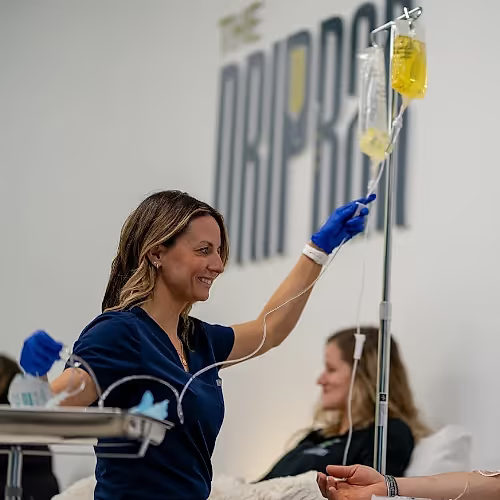
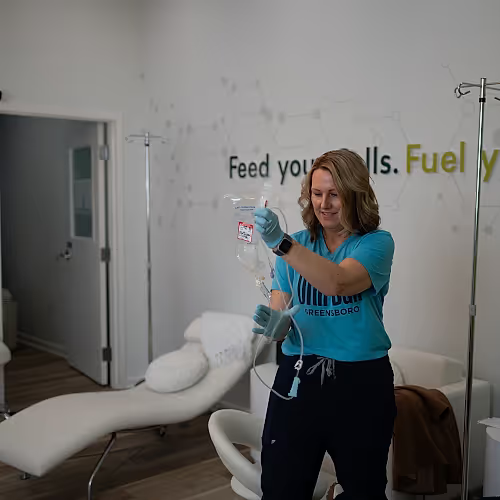
IV hydration is sometimes chosen by those who need rapid support after travel, heavy exertion, or illness. It is also helpful when oral fluids cannot be tolerated due to nausea or gut issues. Wellness specialists at The DRIPBaR Greensboro screen each client to ensure IV therapy is appropriate and safe. The process involves a comfortable setting, careful monitoring, and a personalized approach. After an infusion, continuing with oral hydration and balanced meals supports ongoing recovery. Always consult with a professional if you have underlying health concerns.
Safety in hydration therapy
Safety is a top priority in both oral and IV hydration. Oral methods are generally safe for most people, but those with kidney or heart conditions should follow medical advice. IV therapy requires trained staff, sterile technique, and careful screening to reduce risks like infection or fluid overload. At The DRIPBaR Greensboro, every client is evaluated before receiving an infusion. Monitoring during and after the session helps catch any issues early. Post-infusion guidance includes staying hydrated, eating balanced meals, and avoiding extreme activities right after. If unusual symptoms develop, seeking medical care is always recommended.
Hydration affects many aspects of health, from energy to mental clarity. Both oral and IV methods can play a role in supporting your well-being. The right choice depends on your needs and circumstances.
Athletes and active individuals often benefit from tailored hydration plans. Including electrolytes during long or intense activity helps maintain performance. Practicing your strategy ahead of time is key.
Older adults, people with chronic conditions, and those recovering from illness may need extra attention to hydration. Screening and individualized plans help ensure safety. Children and pregnant individuals should follow specific guidance from their healthcare provider. For most, oral hydration is preferred unless otherwise advised. The DRIPBaR Greensboro team is experienced in supporting a wide range of clients.
Common myths about hydration include the idea that more water is always better or that IV therapy is a cure-all. In reality, balance is key, and both methods have their strengths. Fatigue, headaches, or brain fog can have many causes, not just dehydration. Education and professional support help set realistic expectations. The best results come from a combination of daily habits and, when needed, targeted support.
Choosing the right hydration approach
Many clients from Jamestown and the surrounding Triad appreciate how easy it is to visit The DRIPBaR Greensboro for personalized hydration support. Whether you are seeking routine wellness or need help after a demanding week, our team is ready to guide you. The convenient location makes it simple for busy people to fit self-care into their schedules.
Deciding between oral and IV hydration depends on your symptoms, goals, and overall health. Oral hydration is usually the first step for mild dehydration or prevention. IV therapy may be recommended when oral intake is not possible or when rapid results are needed. Professional screening ensures the safest and most effective choice for your situation.
At The DRIPBaR Greensboro, our experienced team provides a welcoming environment and attentive care. Every client receives a thorough assessment before any infusion. We offer a range of drips and wellness services to support your goals. From hydration to recovery, our approach is holistic and client-centered. Many guests return for the comfort, expertise, and personal attention they receive.
Hydration therapy for hangovers: What to know
Hangovers can leave you feeling drained, and dehydration is often part of the picture. IV hydration may help with symptoms linked to fluid loss, but it does not address all effects of alcohol. Oral hydration and rest are important parts of recovery. Screening at The DRIPBaR Greensboro ensures that IV therapy is used appropriately. Our team can help you decide if this option fits your needs. Responsible use and realistic expectations are always emphasized.
Hydration needs can vary based on age, activity, and health status. Older adults, athletes, and those with medical conditions may require special attention. Our staff is trained to tailor recommendations and monitor for safety. Whether you choose oral or IV hydration, ongoing support and education are part of our commitment. We encourage clients to ask questions and stay informed.
Community involvement is important to us. We support local organizations and value the relationships we build with our clients. Many people return for the positive atmosphere and personalized care. Our goal is to help you feel your best and support your wellness journey. Every visit is an opportunity to move forward in health.
If you are considering hydration therapy, start by assessing your symptoms and needs. Oral hydration is effective for most situations, but IV therapy can be helpful when oral intake is not possible. Our team is available to answer questions and provide guidance. Screening helps ensure the safest approach for you. We invite you to experience the difference at The DRIPBaR Greensboro.
Hydration is a foundation for wellness. Both oral and IV methods have a role in supporting your health. The best results come from a balanced, individualized approach.
Signs you need IV hydration support
Symptoms like dizziness, rapid heartbeat, or persistent fatigue may signal the need for more than just oral fluids. If you cannot keep liquids down or have ongoing losses, IV hydration could be considered. Our team screens each client to ensure the right fit. Not every situation requires IV therapy, and mild cases often improve with oral hydration. Safety and comfort are always our priorities.
We encourage clients to share their experiences and ask questions. Education is a key part of our approach, helping you understand when each hydration method is most appropriate. Our staff provides clear guidance and ongoing support. Whether you are new to IV therapy or a returning guest, your comfort and safety come first. We value the trust you place in us.
Personalized hydration plans
Every client’s needs are unique, and our team tailors recommendations accordingly. We consider your health history, lifestyle, and goals. Personalized plans help ensure the best outcomes.
Our approach combines evidence-based practices with attentive care. We offer a variety of hydration options, from oral solutions to IV drips. Screening and monitoring are part of every visit. Education and communication are central to our process. We aim to empower you to make informed choices about your wellness.
Making hydration work for you
Hydration is not one-size-fits-all. Your needs can change based on activity, environment, and health status. Oral hydration is effective for most people, but IV therapy offers a targeted option when needed. Our team helps you navigate these choices. We believe in a balanced, individualized approach.
Some clients find that IV hydration therapy provides the support they need when oral fluids are not enough. Others rely on daily habits and oral solutions to stay well. The key is to match the method to your unique situation. Both approaches have their place in a comprehensive wellness plan.
Tips for effective hydration
Drink water regularly throughout the day, not just when you feel thirsty. Include electrolyte-rich foods and beverages during periods of heavy sweating or illness. Listen to your body’s signals and adjust your intake as needed. If you experience symptoms of dehydration, act early to restore balance. Consult with a professional if you have ongoing concerns. Staying proactive helps you maintain energy and well-being.
Hydration therapy can be part of a broader wellness routine. Combining oral and IV methods may be appropriate in certain situations, especially when guided by a professional. Our team at The DRIPBaR Greensboro is here to help you find the right balance. We offer education, support, and a welcoming environment. Your comfort and safety are always our priorities. Reach out to learn more about your options.
- Daily water intake: Drink fluids consistently to maintain hydration.
- Electrolyte support: Use electrolyte drinks during heavy sweating or illness.
- Monitor symptoms: Watch for signs of dehydration like fatigue or dizziness.
- Seek guidance: Consult a professional for personalized recommendations.
- Balanced approach: Combine oral and IV methods when appropriate for your needs.
Hydration for active lifestyles
Active individuals may need more fluids and electrolytes to support performance. Tailored hydration plans help you avoid cramping and fatigue. Practicing your strategy during training builds confidence.
Athletes often benefit from combining oral hydration with electrolyte support during long events. IV therapy may be considered after intense exertion if oral intake is not possible. Screening ensures safety and effectiveness. Our team works with you to develop a plan that fits your activity level. Staying hydrated supports recovery and ongoing performance. Education and preparation are key to success.
Hydration needs can shift with changes in weather, activity, or health. Adjust your routine as needed to stay balanced. Our staff is available to answer questions and provide support. Consistency is important for long-term wellness.
If you are unsure which hydration method is right for you, reach out for guidance. Our team can help you assess your needs and recommend options. Personalized care leads to better outcomes.
Hydration is a simple but powerful part of wellness. Both oral and IV methods have their strengths. The best approach is the one that fits your life and goals.
Ready to personalize your hydration?
Every person’s hydration needs are unique. Our team is here to help you find the right approach. Reach out to start your personalized wellness journey.
Whether you are new to hydration therapy or looking to optimize your routine, The DRIPBaR Greensboro offers expert support. Same-day options are often available, and we invite you to take the next step toward feeling your best. Contact us to learn more or schedule your visit today.