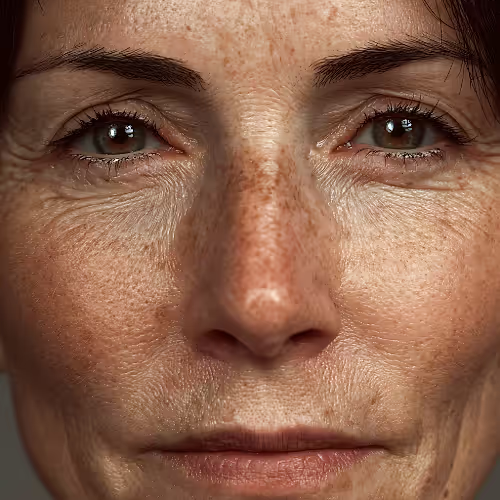

Is your skin showing signs of sun exposure?
Many people compare topical creams to internal support when addressing sun-related skin changes. While both methods can help, results may vary depending on your daily habits and how much time you spend outdoors. It is important to find an approach that fits your lifestyle and supports your skin’s natural repair.
Support Skin Recovery From Sun Exposure
Targeted support for your skin.
The DRIPBaR helps address sun damage and photodamage by offering nutrient-rich IV therapies that deliver antioxidants and hydration directly to your system. These therapies are designed to support collagen production, reduce oxidative stress, and promote skin renewal for a healthier complexion. By targeting the underlying effects of UV exposure, our approach may help improve skin tone, texture, and resilience over time. This method complements your existing skincare routine and supports your body’s natural recovery processes.
For those in Greensboro, our team provides personalized care to help you manage the visible and invisible effects of sun exposure. We focus on safe, evidence-informed protocols that fit your schedule and wellness goals. Book your appointment today to explore how our therapies can help you restore and protect your skin.
Did you know?
Ultraviolet exposure can accelerate skin aging and increase the risk of uneven pigmentation and texture changes.
Understanding Sun Damage and Repair
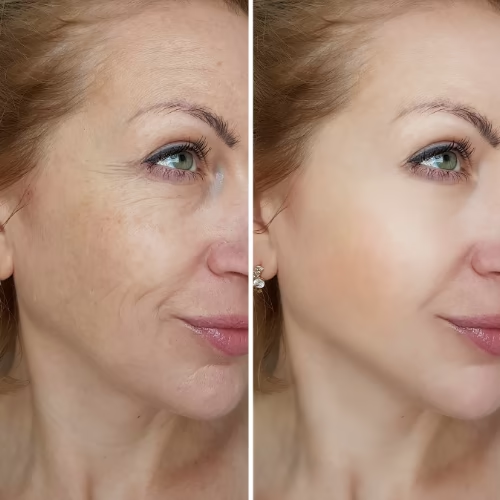
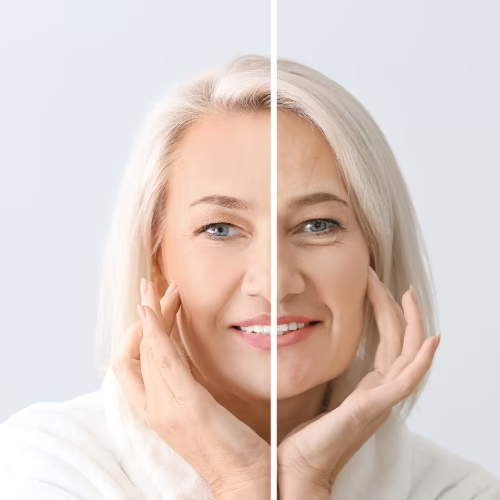
Sun Damage & Photodamage refer to skin changes caused by repeated exposure to ultraviolet (UV) rays from the sun or tanning beds. These rays break down collagen and elastin, leading to wrinkles, roughness, and uneven pigmentation. At the cellular level, UV exposure causes oxidative stress and DNA damage, which can impair the skin’s ability to renew itself. Over time, this process may result in visible signs like sunspots, redness, and sagging skin.
Common triggers include spending extended periods outdoors without adequate sun protection, frequent travel, or using tanning beds. Managing sun damage involves a combination of preventive measures, such as sunscreen and protective clothing, and supportive therapies that help the skin recover. Early intervention and consistent care can help minimize long-term effects and promote healthier, more resilient skin.
Common Symptoms of Sun Damage
Sun Damage & Photodamage often present as changes in skin texture, including increased roughness and the development of fine lines. Many people notice uneven pigmentation, such as sunspots or areas of hyperpigmentation, especially on sun-exposed areas. Redness and visible blood vessels may also appear, reflecting underlying inflammation and vascular changes. These symptoms can develop gradually, making them easy to overlook until they become more pronounced.
Some individuals experience persistent dryness, peeling, or a feeling of tightness after sun exposure. Over time, repeated UV exposure can lead to a loss of skin elasticity and the formation of deeper wrinkles. In certain cases, photodamage may also increase sensitivity to skincare products or environmental factors. Magnesium, when used in supportive therapies, may help reduce inflammation and improve hydration in affected skin.
In more advanced cases, photodamage can contribute to sagging, thinning skin, and a dull or uneven complexion. Chronic sun exposure is also linked to a higher risk of skin cancers, making regular monitoring and professional evaluation important. Symptoms may vary based on skin type, age, and lifestyle, so individualized care is recommended for best results.
Traditional Treatments
Traditional approaches to managing sun damage include the use of topical antioxidants, retinoids, and broad-spectrum sunscreens to protect and repair the skin. Dermatological procedures such as chemical peels, laser therapy, and microdermabrasion are also commonly used to address visible changes and promote skin renewal. Vitamin C is often highlighted for its role in supporting collagen production and reducing oxidative stress. Supportive care may involve lifestyle modifications, such as wearing protective clothing and seeking shade during peak sun hours. Consistent use of moisturizers and gentle cleansers can help maintain the skin’s barrier function. While these methods can be effective, results depend on individual factors and the extent of photodamage. Ongoing care and professional guidance are important for achieving and maintaining healthy skin.
How IV Therapy May Help
Compared to topical solutions alone, IV therapy offers a way to deliver targeted nutrients and antioxidants directly into the bloodstream, supporting the body’s natural repair mechanisms from within. This approach may help reduce oxidative stress, promote collagen synthesis, and aid in skin hydration, which are all important for addressing the effects of sun exposure. Vitamin C, a key ingredient in many therapies, is known for its ability to support skin firmness and resilience. Our licensed providers ensure each session is tailored to your needs and monitored for safety. While results can vary, many clients find that combining IV therapy with their regular skincare routine provides additional support for skin renewal and clarity. Our services are designed to complement, not replace, traditional sun protection and dermatological care. The focus is on gradual, sustainable improvements in skin health rather than quick fixes. Professional guidance helps you choose the best options for your unique skin concerns.
Supportive Therapies for Skin Renewal
Certain IV therapies and wellness services can help address the effects of sun exposure by supporting skin hydration, collagen production, and cellular repair.
Firm
Firm provides a blend of vitamins and minerals that nourish skin, hair, and nails from within. Key ingredients like Vitamin C and Biotin promote collagen production and keratin support. This infusion helps improve skin texture, hydration, and cellular repair. It is designed for those seeking a wellness-based approach to beauty. Regular treatments may enhance overall vitality and appearance. The formula supports internal systems that contribute to a radiant look. It complements external skincare and lifestyle habits effectively.
Glutathione
Glutathione
Glutathione infusion delivers a powerful antioxidant directly into the bloodstream to combat oxidative stress and support detoxification pathways. This therapy enhances cellular repair processes and promotes healthier skin and energy levels. By bypassing the digestive system, it ensures rapid absorption and effectiveness. It is suitable for individuals seeking to improve resilience and maintain long-term wellness. Regular treatments may support immune balance and reduce inflammation. This approach complements a holistic health routine focused on cellular vitality and recovery.
Oral Supplements
Oral Supplements deliver essential vitamins, minerals, and antioxidants to support your body’s energy and immune systems. They help bridge nutrient gaps that can occur due to lifestyle or stress. By maintaining consistent nutrient levels, these supplements promote cellular repair and metabolic balance. Customized plans ensure your specific needs are addressed. This approach supports ongoing wellness between clinical visits. Supplements are conveniently delivered to your home. They provide a practical way to enhance your overall health routine.
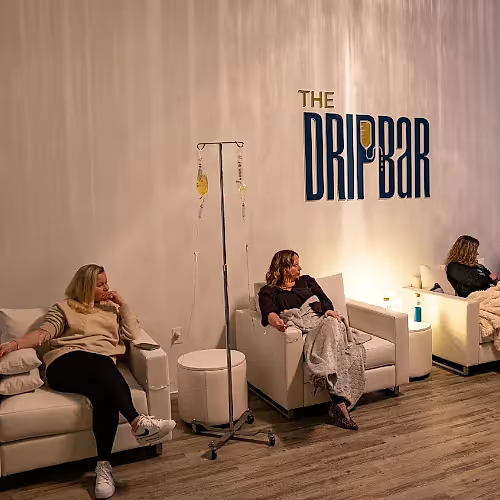
HIGHLY recommend this place. super friendly and accommodating staff, very clean all the way around, has the best seats everrrr and they have all the IV bags and add ons you could ever want! def check this place out(:
Amazing customer service. Very helpful and nice. The process was super easy and quick. The products are wonderful.
Ready to Get Started?
Feel your best with a treatment designed to support your goals! Whether you’re looking for hydration, energy, immune support, recovery, or overall wellness, our team will help you choose the right option and make sure your experience is comfortable from start to finish. Click the Book Appointment button below to pick your reserve a time that fits your schedule.
What are simple ways to track outcomes from Sun Damage & Photodamage care?
Tracking outcomes can include monitoring changes in skin tone, texture, and hydration over several weeks. Taking regular photos and noting improvements or new symptoms can be helpful. Some people also keep a journal to record how their skin feels after different treatments. Comparing these notes over time can provide insight into what works best for you.
How does goal-setting help those living with Sun Damage & Photodamage?
Setting clear goals can help you stay consistent with sun protection and skin care routines. Goals may include reducing sun exposure, improving hydration, or targeting specific skin concerns. Tracking progress toward these goals can keep you motivated and focused. Adjusting your plan as needed ensures your approach remains effective and realistic.
How can I build a routine for Sun Damage & Photodamage care?
Start by identifying your main skin concerns and choosing supportive therapies that fit your needs. Consistency is key, so set reminders for sun protection and hydration. Regular check-ins with a licensed provider can help you adjust your plan as needed. Over time, a steady routine can lead to noticeable improvements.