
Struggling with daily fatigue?
Each morning can feel like an uphill climb when energy is low. Over time, persistent tiredness may make it difficult to keep up with routines. You may notice that simple activities require more effort and rest than before.
Feel More Balanced Every Day
Support for kidney wellness.
Managing chronic kidney disease often means dealing with fatigue, muscle cramps, and changes in hydration. The DRIPBaR offers supportive IV therapies that can help replenish key nutrients, promote hydration, and provide antioxidant support. These services are designed to complement your existing care plan and help you feel more balanced. Each session is tailored to your needs and delivered under medical supervision for safety.
At The DRIPBaR Greensboro, you can access gentle hydration and targeted nutrient infusions that may help ease discomfort and support your overall well-being. Our team works closely with you to ensure your therapy aligns with your health goals. Sessions are scheduled to fit your lifestyle and are overseen by licensed providers. Book your appointment today to explore supportive options for kidney health.
Did you know?
Chronic kidney disease often develops gradually, and many people do not notice symptoms until kidney function is significantly reduced.
Understanding Chronic Kidney Disease
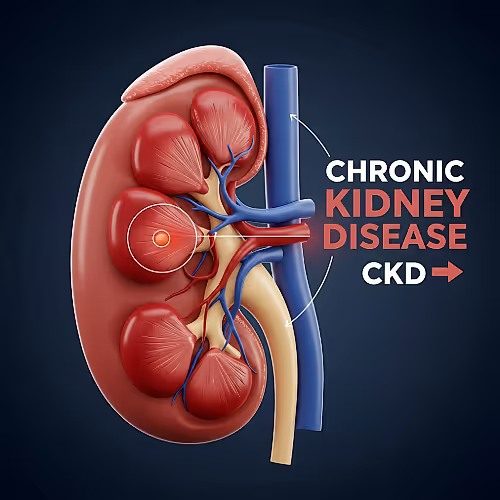
Chronic kidney disease is a long-term condition where the kidneys gradually lose their ability to filter waste and balance fluids. As kidney function declines, waste products and excess fluids can build up in the body, affecting many systems. This process can lead to complications such as anemia, bone disorders, and cardiovascular issues. Early stages may have few symptoms, making regular monitoring important.
Common triggers for chronic kidney disease include diabetes, high blood pressure, and certain genetic or autoimmune conditions. Managing the condition involves controlling underlying causes, making dietary adjustments, and monitoring fluid and electrolyte balance. Regular check-ups and lab tests help track progression and guide treatment. Proactive care and healthy lifestyle choices can help slow the disease and reduce complications.
Symptoms of Chronic Kidney Disease
Fatigue is a frequent symptom of chronic kidney disease, often resulting from anemia and the buildup of waste products in the body. People may also notice swelling in the legs, ankles, or feet, which occurs as the kidneys struggle to manage fluid balance. Muscle cramps and weakness are common, especially at night, and can be linked to changes in electrolyte levels. Some individuals experience persistent nausea or changes in appetite, making it harder to maintain proper nutrition.
As the condition progresses, urination patterns may shift, with some noticing increased or decreased frequency. Difficulty concentrating and mental fog can develop due to the accumulation of toxins. Itching and dry skin may also appear, reflecting imbalances in minerals and waste products. These symptoms can vary in intensity and may come and go over time.
In advanced stages, shortness of breath and chest discomfort may become more noticeable, especially if fluid builds up around the lungs or heart. High blood pressure is both a cause and a consequence of kidney disease, creating a cycle that can further strain the kidneys. Bone pain or fractures may occur as mineral balance is disrupted. Regular monitoring and early attention to symptoms are important for managing overall health.
Traditional Treatments
Conventional care for chronic kidney disease focuses on slowing progression and managing complications. This often includes controlling blood pressure and blood sugar, especially for those with diabetes or hypertension. Dietary changes are recommended to limit sodium, protein, potassium, and phosphorus, helping to reduce the kidneys’ workload. Medications may be prescribed to address anemia, bone health, and fluid retention. As kidney function declines, more intensive interventions may be needed. Dialysis can help remove waste and excess fluid when the kidneys are no longer able to do so effectively. In some cases, kidney transplantation is considered for long-term management. Ongoing care involves regular lab tests, medication adjustments, and close monitoring by healthcare providers. Supportive therapies may be added to help manage symptoms and improve quality of life.
How IV Therapy May Help
IV therapy at The DRIPBaR provides targeted hydration and essential nutrients that may support kidney function and overall wellness. These infusions are carefully formulated to help address common symptoms like fatigue, muscle cramps, and low energy, while also promoting antioxidant balance. Each session is administered under the supervision of licensed providers, ensuring safety and personalized care. The approach is designed to complement your existing medical plan and support your body’s natural processes. Clients with chronic kidney disease may benefit from gentle hydration and nutrient support, especially when dietary restrictions limit certain vitamins and minerals. IV therapy can offer a controlled way to replenish these nutrients and help reduce oxidative stress. Over time, this supportive care may contribute to improved comfort and daily functioning. Sessions are scheduled to fit your lifestyle, providing a convenient option for ongoing wellness.
Nutrient Support for Kidney Health
Certain IV therapies can help restore hydration, support antioxidant balance, and address nutrient gaps that may occur with chronic kidney disease.
Alpha Lipoic Acid (ALA)
Alpha Lipoic Acid (ALA) is a versatile antioxidant that supports energy production and protects cells from oxidative stress. Delivered intravenously, it enhances mitochondrial efficiency and helps regulate metabolism. This therapy also supports nerve health and tissue repair, contributing to overall wellness. It is suitable for individuals seeking to improve energy levels and reduce fatigue. The infusion works in both water- and fat-soluble environments, offering broad cellular protection. Regular treatments may support metabolic balance and antioxidant regeneration. This approach complements a holistic wellness plan.
Glutathione
Glutathione
Glutathione infusion delivers a powerful antioxidant directly into the bloodstream to combat oxidative stress and support detoxification pathways. This therapy enhances cellular repair processes and promotes healthier skin and energy levels. By bypassing the digestive system, it ensures rapid absorption and effectiveness. It is suitable for individuals seeking to improve resilience and maintain long-term wellness. Regular treatments may support immune balance and reduce inflammation. This approach complements a holistic health routine focused on cellular vitality and recovery.
Shield
When your body is under stress or recovering from illness, targeted nutrient support can help restore balance and energy. Shield delivers antioxidants like Ascorbic Acid and minerals such as Magnesium and Zinc directly into the bloodstream. This infusion supports immune function, reduces oxidative stress, and promotes cellular repair. It is suitable for those seeking to improve resilience and recover vitality. Regular use may help maintain overall wellness and support recovery from fatigue or environmental stress.
HIGHLY recommend this place. super friendly and accommodating staff, very clean all the way around, has the best seats everrrr and they have all the IV bags and add ons you could ever want! def check this place out(:
Amazing customer service. Very helpful and nice. The process was super easy and quick. The products are wonderful.
Ready to Get Started?
Feel your best with a treatment designed to support your goals! Whether you’re looking for hydration, energy, immune support, recovery, or overall wellness, our team will help you choose the right option and make sure your experience is comfortable from start to finish. Click the Book Appointment button below to pick your reserve a time that fits your schedule.