
Struggling with constant bladder pain?
Bladder pain and urinary urgency can disrupt daily routines and sleep, making it difficult to focus or relax. These symptoms often persist even when no infection is present, leading to ongoing discomfort. Finding steady relief is a common challenge for many living with this condition.
Gentle Relief for Bladder Discomfort
Supportive care options.
The DRIPBaR offers supportive therapies designed to help manage the discomfort and urinary urgency associated with interstitial cystitis. Our approach focuses on reducing inflammation, calming pelvic tension, and supporting the body’s natural recovery processes. By providing targeted nutrients and hydration, we aim to complement your existing care plan and help you feel more comfortable. Consistent support may help reduce the frequency and severity of flare-ups over time.
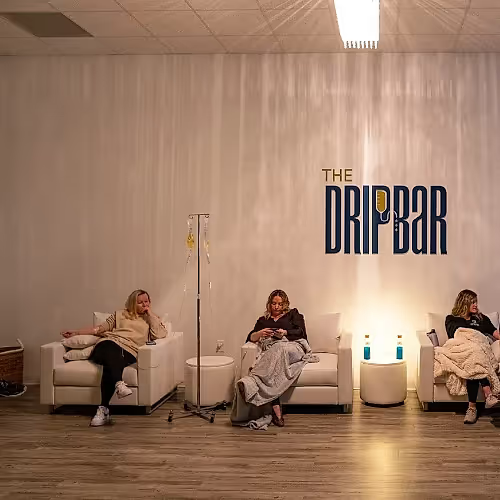
At The DRIPBaR Greensboro, you can access therapies tailored to your needs in a welcoming, supervised environment. Our team is committed to helping you find balance and relief through safe, non-pharmaceutical options. Book your appointment today to explore how our services can support your wellness journey. Take the next step toward greater comfort and control.
Did you know?
Interstitial cystitis often affects women between ages 30 and 50 and is not caused by infection.
Understanding Interstitial Cystitis
Interstitial cystitis is a chronic bladder condition characterized by pain, pressure, and frequent urges to urinate without an underlying infection. The exact cause remains unclear, but factors like bladder lining defects, immune system activity, and nerve sensitivity are believed to play a role. Symptoms can range from mild discomfort to severe pain, often impacting daily activities and mental well-being. Many people experience periods of symptom flare-ups and remission, making the condition unpredictable.
Common triggers for interstitial cystitis include certain foods and drinks, stress, hormonal shifts, and physical exertion. Managing the condition typically involves a combination of dietary changes, stress reduction, and supportive therapies. While there is no cure, consistent care and lifestyle adjustments can help reduce symptom severity. A holistic approach often yields the best results for long-term comfort.
Symptoms of Interstitial Cystitis
People with interstitial cystitis often notice a persistent feeling of bladder fullness and frequent urges to urinate, even when the bladder is not full. Pelvic pain and pressure are common, and discomfort may intensify as the bladder fills. Some individuals experience pain during sexual activity, which can affect intimacy and mental health. The severity of symptoms can vary widely from person to person.
Flare-ups may be triggered by specific foods, beverages, or stress, leading to increased urinary urgency and discomfort. Many find that symptoms worsen during periods of hormonal change or after physical activity. The unpredictable nature of flare-ups can make planning daily life challenging. Over time, ongoing symptoms may contribute to fatigue and reduced quality of life.
It is important to note that interstitial cystitis is not caused by a bacterial infection, so antibiotics are usually not effective. Instead, management focuses on symptom relief and improving overall well-being. Regular monitoring and a personalized approach help many people find better control over their symptoms. Open communication with healthcare providers supports ongoing comfort and adaptation.
Traditional Treatments
Traditional care for interstitial cystitis often begins with lifestyle modifications, such as identifying and avoiding dietary triggers. Pelvic floor physical therapy and stress management techniques are commonly recommended to help reduce muscle tension and emotional strain. Oral medications may be prescribed to manage pain, inflammation, or bladder sensitivity, though results can vary from person to person. Bladder instillation therapies, which deliver soothing solutions directly into the bladder, are sometimes used for additional relief. Supportive therapies, including nutrient infusions and hydration, may complement standard care by addressing systemic inflammation and replenishing nutrients depleted by chronic stress. These options are is not a substitute for medical care the condition but can help improve comfort and quality of life. Regular follow-up with healthcare providers ensures that treatment plans remain effective and adapt to changing needs. A holistic, individualized approach is often most successful for long-term management.
How IV Therapy May Help
Managing interstitial cystitis can be challenging, especially when symptoms fluctuate or do not respond fully to traditional options. The DRIPBaR’s services are designed to provide an extra layer of support through targeted nutrient delivery, hydration, and relaxation-focused therapies. Our approach emphasizes safety, comfort, and careful supervision by licensed providers, helping you feel confident in your care. Each session is tailored to your needs and can be adjusted as your symptoms or goals change. IV therapy and wellness services at The DRIPBaR offer a way to address inflammation, support immune balance, and promote tissue repair without relying solely on oral medications. By delivering nutrients directly into the bloodstream, these therapies bypass digestive limitations and may offer faster, more noticeable benefits. Our team works with you to create a supportive environment where you can focus on long-term wellness. Consistent care and open communication help ensure that your experience remains positive and effective.
Therapies That Soothe Pelvic Discomfort
Specialized wellness therapies can help calm inflammation, relax pelvic muscles, and support overall comfort for those with bladder sensitivity.
Infrared Sauna
Infrared Sauna therapy provides a soothing heat treatment that penetrates beneath the skin to raise core body temperature. This supports circulation and encourages the body to eliminate toxins through sweating. The therapy can help ease muscle stiffness and improve skin health by enhancing nutrient delivery. Sessions are conducted in a private, spa-like setting designed for comfort and relaxation. Many individuals incorporate this therapy into their wellness routines to support recovery and overall balance. The experience is gentle and accessible for a wide range of wellness goals. It offers a natural way to promote relaxation and physical comfort.
Read moreSoother
Soother is designed to deliver essential minerals and amino acids directly to the bloodstream for faster absorption. The infusion supports muscle relaxation, nervous system balance, and emotional stability. Key ingredients include magnesium, calcium, and taurine, which work together to reduce tension and promote restful sleep. This therapy offers a gentle, nutrient-based option for those seeking to improve mental clarity and physical comfort. Individual responses vary, and licensed providers provide personalized care to ensure safety and effectiveness.
HIGHLY recommend this place. super friendly and accommodating staff, very clean all the way around, has the best seats everrrr and they have all the IV bags and add ons you could ever want! def check this place out(:
Amazing customer service. Very helpful and nice. The process was super easy and quick. The products are wonderful.
Read more
Ready to Get Started?
Feel your best with a treatment designed to support your goals! Whether you’re looking for hydration, energy, immune support, recovery, or overall wellness, our team will help you choose the right option and make sure your experience is comfortable from start to finish. Click the Book Appointment button below to pick your reserve a time that fits your schedule.