
Struggling to bounce back after exercise?
Muscle recovery depends on quickly restoring fluids, nutrients, and electrolytes lost during intense activity. Without proper support, soreness and fatigue can linger, making it harder to maintain your routine. Effective recovery strategies help you return to your best, safely and consistently.
Support Faster Muscle and Energy Recovery
Targeted recovery support.
The DRIPBaR offers targeted support for post-workout recovery by delivering hydration and essential nutrients directly to your system. This approach helps reduce muscle soreness, replenish lost electrolytes, and promote faster tissue repair after exercise. By addressing dehydration and nutrient depletion, you may experience improved energy and a quicker return to your routine. Our services are designed to complement your existing wellness practices.
At The DRIPBaR Greensboro, you can access advanced recovery options tailored to your activity level and goals. Each session is overseen by licensed providers to ensure safety and comfort throughout your visit. Whether you’re an athlete or simply enjoy staying active, our recovery solutions can help you feel your best. Book your appointment today to support your post-workout recovery.
Did you know?
Proper post-workout recovery can reduce muscle soreness and help maintain consistent training progress over time.
Understanding Post-Workout Recovery
Post-workout recovery is the body’s process of repairing muscle tissue, restoring energy stores, and rebalancing fluids after physical activity. During exercise, muscles experience microscopic damage, and the body loses fluids and electrolytes through sweat. Recovery involves rehydration, nutrient replenishment, and the reduction of inflammation and oxidative stress. Addressing these needs efficiently helps the body return to peak condition and supports ongoing performance.
Common triggers for delayed recovery include intense workouts, inadequate hydration, and insufficient nutrient intake. Managing recovery involves a combination of rest, balanced nutrition, and hydration strategies. Incorporating supportive therapies can help reduce downtime and discomfort. Being proactive about recovery may help you avoid overtraining and support long-term fitness goals.
Symptoms of Delayed Recovery
Muscle soreness is a frequent sign that the body is repairing itself after exercise, often peaking within 24 to 48 hours. This discomfort can be accompanied by stiffness and reduced range of motion, making daily activities more challenging. Fatigue and decreased strength are also common, especially after high-intensity or prolonged workouts. These symptoms can signal that the body needs additional support to recover fully.
Some individuals may notice lingering tiredness or difficulty returning to their usual performance levels. Persistent dehydration can lead to headaches, dizziness, and muscle cramps, further impacting recovery. Swelling or mild inflammation may occur in overworked muscles, contributing to discomfort. Recognizing these patterns can help guide effective recovery strategies.
Inconsistent recovery may increase the risk of injury or overtraining, especially for those with demanding routines. Delayed progress or plateauing in fitness goals can also result from inadequate recovery. Paying attention to these symptoms allows for timely adjustments in hydration, nutrition, and rest. Early intervention can help maintain consistency and support long-term well-being.
Traditional Treatments
Traditional approaches to post-workout recovery include rest, proper hydration, balanced nutrition, and gentle stretching. These methods help the body repair muscle tissue, restore energy, and reduce inflammation over time. Active recovery, such as light movement or low-impact exercise, can also support circulation and recovery. Sleep plays a crucial role in the recovery process, allowing the body to rebuild and adapt. Some individuals incorporate massage, compression, or targeted therapies to address soreness and supports recovery. Nutritional strategies often focus on replenishing electrolytes and providing adequate protein for muscle repair. While results may vary, combining these approaches can help reduce downtime and support ongoing performance. Consistency and attention to individual needs are key for effective recovery.
How IV Therapy May Help
IV therapy at The DRIPBaR offers a way to deliver hydration and nutrients directly into the bloodstream, supporting the body’s natural recovery processes. This method allows for rapid absorption of fluids, electrolytes, and key nutrients that may help reduce muscle soreness and fatigue. By targeting the physiological needs of recovery, IV therapy can complement traditional approaches such as rest and nutrition. Supervised care ensures that each session is tailored to your activity level and wellness goals. Our services are designed to support muscle repair, energy restoration, and overall well-being after physical activity. Licensed providers oversee each session to provide a safe and comfortable experience. Many clients find that targeted nutrient support helps them return to their routines with less downtime. Integrating IV therapy into your recovery plan may offer an additional layer of support for active lifestyles.
Supportive Options for Recovery Needs
A variety of wellness offerings are available to help restore hydration, replenish nutrients, and support muscle recovery after exercise. These options can be tailored to your individual needs and activity level. Choosing the right combination may help you recover more comfortably and efficiently.
100% Hydration
Lactated Ringers
Intravenous hydration provides a direct method to replenish fluids and essential electrolytes quickly. 100% Hydration uses Lactated Ringers to restore plasma volume and support cellular function. This therapy can improve mental focus, reduce fatigue, and aid physical recovery. It is administered by licensed providers to ensure safety and comfort. The treatment supports cardiovascular stability and helps maintain overall wellness. It is suitable for active individuals and those needing efficient rehydration. This approach offers a practical solution for maintaining hydration and energy levels.
Read morePowerpack
Powerpack combines hydration with essential vitamins and minerals to support your body’s energy production and recovery processes. Ingredients such as Ascorbic Acid, Magnesium, and Zinc work together to reduce fatigue and promote muscle repair. This infusion also supports cognitive function by enhancing mental clarity and focus. Delivered intravenously, it bypasses digestive limits for faster absorption. It is suitable for active individuals and those needing extra support after physical or mental exertion.
Read moreVitality
Vitality offers a comprehensive blend of essential nutrients delivered intravenously to support energy production, muscle repair, and cognitive function. Ingredients such as Magnesium, Methylcobalamin, and Taurine work together to enhance stamina and mental clarity. This infusion also promotes improved circulation and immune resilience. By bypassing digestive limitations, it ensures rapid absorption and effective replenishment. Suitable for active individuals and those needing recovery support, Vitality helps maintain overall wellness and vitality.
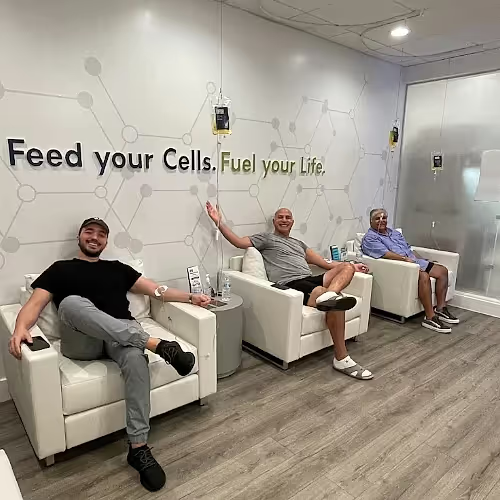
HIGHLY recommend this place. super friendly and accommodating staff, very clean all the way around, has the best seats everrrr and they have all the IV bags and add ons you could ever want! def check this place out(:
Amazing customer service. Very helpful and nice. The process was super easy and quick. The products are wonderful.
Read more
Ready to Get Started?
Feel your best with a treatment designed to support your goals! Whether you’re looking for hydration, energy, immune support, recovery, or overall wellness, our team will help you choose the right option and make sure your experience is comfortable from start to finish. Click the Book Appointment button below to pick your reserve a time that fits your schedule.