
Many athletes and active individuals from Chappapeela Sports Park find it convenient to stop by for hydration support after a long session. If you want to avoid late-night fatigue or sluggish recovery, a well-structured electrolyte depletion prevention plan can make a real difference. This approach focuses on daily sodium and potassium strategies, hydration routines, and knowing when to seek extra support. By planning ahead, you can stay ahead of common pitfalls and feel more resilient.
Why Sodium Is Foundational
Sodium is the main electrolyte lost during sweat-heavy activities, making it essential for anyone with a high-sweat lifestyle. It helps maintain hydration stability, supports muscle and nerve function, and keeps circulation steady. Many people mistakenly drink only water, which can lead to frequent urination, headaches, and lingering fatigue. Including sodium in your daily routine helps your body retain fluids and recover more comfortably. On days with extra activity or heat, sodium needs rise. Recognizing these patterns allows you to adjust your intake and avoid feeling depleted.
Potassium Intake for Athletes
While potassium losses in sweat are smaller, this mineral is vital for muscle and nerve health. Athletes and busy individuals can experience inconsistent potassium intake during travel, low appetite, or diet changes. Consistent food choices help maintain a steady baseline. Prioritizing potassium-rich foods supports overall balance.
Hydration Habits for Heavy Sweaters
Hydration is most effective when it is a steady routine, not a last-minute fix. Start your day with water plus electrolytes if you expect to sweat or be active. Sip fluids throughout the day, and use electrolyte drinks with sodium on high-sweat days. Avoid waiting until you are extremely thirsty, as this can lead to overcompensation and disrupted sleep. Pairing hydration with meals helps your body retain fluids more efficiently. Consistency is key to avoiding the cycle of depletion and recovery.
If you notice white salt stains on your clothes or feel better after salty foods, you may be a ‘salty sweater.’ These signs suggest you lose more sodium than average during activity. Planning sodium intake early in the day and during workouts can help you recover. Listen to your body’s signals and adjust as needed.
A daily sodium strategy should match your lifestyle and sweat patterns. On low-sweat days, regular meals usually provide enough sodium. For moderate sweat days, include sodium with meals and use an electrolyte drink once or twice. On heavy sweat days, increase sodium intake early and use salty foods as part of your recovery. Avoid relying on plain water after intense sessions, as this can worsen depletion. Tailoring your approach helps maintain stability and comfort.
Electrolyte Replacement After Workouts
After intense activity, start replenishing fluids and electrolytes right away. Small, steady sips of an electrolyte drink can help restore balance. Include carbohydrates and protein in your recovery meal to support absorption and energy. Avoid late-night chugging, which can disrupt sleep. Early replenishment protects next-day performance.
Potassium is best supported by consistent food intake, especially after travel or illness. When meals are irregular, focus on reintroducing balanced foods as soon as possible. Avoid overemphasizing supplements unless advised by a professional. Food-first strategies are safest for most people.
Hydration Timing for Recovery
Timing your hydration is more effective than increasing volume late in the day. Begin with fluids and electrolytes before activity, use them during long sessions, and replenish immediately after. This approach helps you avoid the common crash that follows delayed hydration. Pairing fluids with meals further supports retention and comfort. Consistent timing keeps you ready for the next challenge.
A weekly prevention plan can simplify your routine. Identify your biggest sweat day and prepare with extra sodium and fluids. Use a structured recovery meal and electrolyte routine post-session. Schedule a lighter day afterward to consolidate gains. This rhythm reduces decision fatigue and helps you stay ahead of depletion.
Summer heat and indoor workouts both increase sweat loss. Adjust your strategy by starting with electrolytes in the morning, using airflow during indoor sessions, and replenishing sodium early. Travel days require steady sipping and balanced meals to avoid dehydration. Illness recovery calls for gentle fluids and rest. Adapting your plan to each scenario keeps you resilient.
When to Book IV Therapy
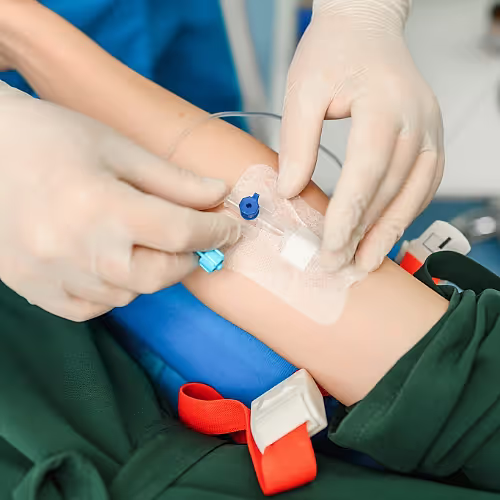
If you find that oral fluids and food are not enough, or if you repeatedly struggle to recover, an electrolyte depletion prevention plan may include IV therapy. This option is especially helpful when nausea, persistent fatigue, or stacked travel days make it hard to catch up. IV hydration provides a predictable reset, supporting fluid and mineral balance. It is not a replacement for daily habits but can be a valuable tool in certain situations. Always consider your unique needs and consult with a wellness specialist if you are unsure.
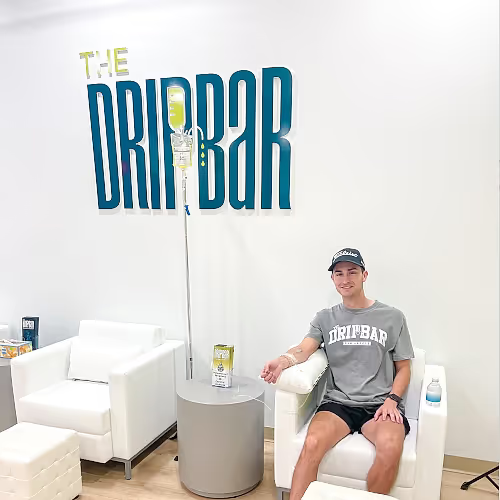
At The DRIPBaR Hammond, hydration-first IV sessions use balanced fluids like Lactated Ringers. These infusions closely resemble natural plasma, supporting restoration of fluid levels and electrolyte balance. Many clients find this approach helpful after heavy sweat days or when oral intake is limited. Safety screening is always part of the process.
IV therapy timing depends on your situation. Same-day sessions are best for quick onset symptoms, while next-day resets help after late-night recovery attempts. Weekly routines can support athletes during peak training. Predictable timing helps protect sleep and performance.
Safety and Screening Considerations
Not everyone is a candidate for IV therapy. People with kidney disease, heart failure, or certain medications need individualized guidance. Screening helps ensure safety and comfort. If you experience severe symptoms, seek medical evaluation instead of a wellness appointment.
Potential side effects of IV therapy include discomfort at the site, bruising, or lightheadedness. Licensed professionals use sterile techniques to minimize risks. Always communicate if you feel pain, swelling, or unusual symptoms during or after your session. Responsible care is a priority at every step.
Hydration Timing for Recovery
Tested athletes should be aware of sport-specific rules regarding IV infusions. Some organizations limit the volume or timing of IV therapy unless medically justified. Always confirm your sport’s policies and consult with team medical staff when needed. Ethical planning supports both performance and compliance.
After IV therapy, continue oral hydration and balanced meals to maintain results. Include sodium if sweat loss was significant, and avoid alcohol if dehydration was a factor. Plan a calm evening and lighter activity if you were significantly depleted. Consistent habits avoid the need for frequent rescue.
A prevention week template can help you stay on track. Start mornings with hydration and breakfast, use electrolytes on active days, and plan recovery after big sessions. Travel days require steady sipping and early sleep. If oral correction fails, a hydration-first IV session may be considered.
Content should always emphasize that IV therapy is supportive, not a cure or replacement for nutrition and sleep. Individual results vary, and safety is the top priority. Licensed professionals guide each session based on your needs. Education and consistency are the foundation of effective prevention.
Daily Sodium Strategy in Practice
We often see guests from Chappapeela Sports Park who appreciate the short nine-minute drive for recovery support after tournaments or long training days. Having a plan for sodium and hydration makes it easier to bounce back and maintain your routine. Our team is here to help you personalize your approach. Whether you are an athlete or just staying active, small adjustments can make a big difference. Consistency is the secret to lasting results.
A food-first potassium strategy is safest for most people. Include potassium-rich foods in your meals, especially during busy or travel-heavy weeks. When intake is inconsistent, focus on restoring balanced meals quickly. Supplements should only be used with professional guidance. Reliable routines support muscle and nerve health.
Hydration is not a rescue mission. Spread your fluid intake throughout the day and pair it with meals. Avoid late-night drinking that disrupts sleep. Consistency helps avoid most issues.
Cramp-Prone Days: Full-System Prevention
Cramps are influenced by more than just one mineral. Neuromuscular fatigue, heat, sodium loss, and low carbohydrates all play a role. Train specifically for your demands and pace yourself within your limits. Use sodium and fluids during long sessions, and include carbohydrates for endurance. Magnesium may help when muscle tightness is a recurring issue.
Electrolyte drinks are most effective when used proactively. Start with them on high-sweat days, during long sessions, and after workouts. They help maintain balance and help avoid depletion. Consistent use supports recovery.
Sports drinks add carbohydrates to electrolytes, making them useful for longer or more intense training. Choose them when fueling is needed in addition to hydration. Electrolyte-only drinks are best when you want sodium without extra sugars. Match your choice to your activity.
Oral rehydration solutions are designed for efficient absorption, especially after illness or when oral intake is limited. They are not performance drinks but help restore balance gently. Use them when recovering from stomach bugs or significant fluid loss. Always follow safety guidance and seek medical care for severe symptoms.
Personalizing Your Prevention Plan
Add-ons like potassium or magnesium can be helpful when nutrition and hydration have been inconsistent. These should be considered as part of a broader prevention pyramid, not as standalone fixes. Always consult with a wellness specialist before making changes. Personalization works best when the basics are already in place. Adjust your plan as your needs evolve.
After IV therapy, continue steady hydration and balanced meals. Include sodium if needed and avoid alcohol. Plan for rest and lighter activity to support recovery.
Safety Boundaries and Red Flags
Some individuals should be cautious with IV therapy, including those with kidney or heart conditions, blood pressure instability, or certain medications. Pregnant or breastfeeding clients require individualized advice. If you experience confusion, chest pain, or severe symptoms, seek medical care immediately. Responsible screening ensures your safety.
Potential side effects of IV therapy include discomfort, bruising, or lightheadedness. Licensed professionals minimize risks through sterile technique and careful monitoring. Always report unusual symptoms promptly. Your comfort and safety are our top priorities. Education and open communication support a positive experience.
Building Your Daily Routine
Start each day with hydration and a balanced breakfast. Use electrolytes on active or hot days. Pair fluids with meals for better retention.
A successful electrolyte depletion prevention plan is built on daily habits, not quick fixes. Consistency with your electrolyte depletion prevention plan helps you stay ahead of fatigue and supports long-term wellness. Small adjustments add up over time.
Travel days, big sweat sessions, and illness recovery all require extra attention. Begin with electrolytes and breakfast, sip fluids steadily, and move after long periods of sitting. Recovery meals and early sleep help you bounce back. If oral correction is not enough, consider a hydration-first IV session with professional screening. Prevention is about staying ready, not just reacting.
Weekly Prevention Plan Template
Identify your highest sweat day each week and plan ahead with extra sodium and fluids. Use a structured recovery meal and electrolyte routine after intense sessions. Schedule a lighter day to consolidate gains. This rhythm reduces decision fatigue and helps you stay consistent. Adjust as your schedule changes.
If you feel depleted despite your routine, correct with oral hydration first. Book an IV session if symptoms persist and oral intake is limited. Always follow safety guidelines.
- Morning routine: Start with hydration and breakfast.
- Active day tip: Use electrolytes on high-sweat days.
- Meal pairing: Combine fluids with meals for better retention.
- Post-workout: Refuel with carbohydrates and protein.
- Travel support: Sip fluids steadily and move after arrival.
- Evening wind-down: Plan for early sleep and lighter activity if depleted.
Travel and Illness Recovery
Travel and illness can disrupt your routine. Start travel days with electrolytes and breakfast, and sip fluids throughout the journey. After illness, use gentle fluids and balanced meals to restore energy.
If you cannot keep up with oral hydration, consider IV support. Always seek medical care for severe symptoms. Prevention includes knowing your limits.
Electrolyte drinks are most effective when used proactively, not just reactively. Incorporate them into your routine on sweat-heavy days. Consistency supports recovery.
Sports drinks are best for long or intense sessions when you need both hydration and fuel. Electrolyte-only drinks are ideal for sodium replacement without added sugars. Match your drink to your needs.
Long-Term Wellness Habits
Building a prevention-focused routine helps you stay energized and resilient. Start each day with hydration, use electrolytes as needed, and plan recovery after big efforts. Balanced meals and steady sleep support ongoing wellness. Adjust your approach as your schedule or activity level changes. Consistency is the foundation of long-term results.
A prevention plan is not about perfection. It is about making small, steady improvements that add up over time. Listen to your body, adjust as needed, and seek support when challenges arise. Wellness is a journey, not a destination. Stay curious and proactive.
Driving Directions From Chappapeela Sports Park
Visit The DRIPBaR Hammond Today for Recovery Support
- Start at Chappapeela Sports Park, 19325 Hipark Blvd, Hammond, LA 70403, United States.
- Head northwest on Hipark Blvd toward I-12. (About 0.7 miles / 2 min)
- Merge onto I-12 W toward Hammond. (About 3.4 miles / 7 min)
- Take the exit toward US-51 Business / SW Railroad Ave.
- Continue onto SW Railroad Ave.
- Arrive at The DRIPBaR Hammond, 1709 SW Railroad Ave Suite C, Hammond, LA 70403, United States.
Explore Your Personalized Prevention Plan
If you are ready to learn more about hydration and recovery, our team is here to help. Schedule a visit or reach out with your questions. We invite you to explore your options and discover what works best for your lifestyle. There is no pressure, just support and education. Take the next step toward feeling your best.