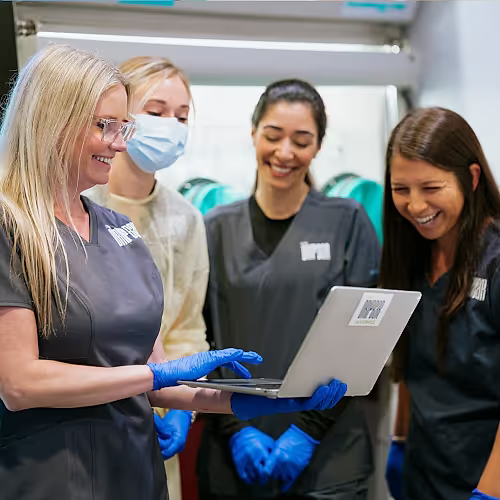

Many guests from Hammond appreciate the convenience and professionalism found here. Our commitment to safety and consistency is reflected in our team’s dedication to ongoing IV therapy training. This ensures every visit is handled with up-to-date knowledge and care. Whether you are new to IV therapy or a regular, you can expect a supportive and informed approach. Our staff’s training is designed to adapt to evolving protocols and client needs. We focus on making each experience comfortable and personalized. The result is a trusted space where wellness feels accessible.
Why Training Matters
Ongoing staff education is the backbone of safe IV therapy. It keeps everyone aligned with the latest protocols and helps keep small mistakes from becoming bigger issues. Training covers everything from aseptic technique to client communication, ensuring each step is performed with care. As new ingredients and procedures are introduced, regular refreshers keep the team prepared. This approach supports both safety and a calm, confident atmosphere. Clients notice when a clinic is organized and attentive. The result is a consistent, reassuring experience every time.
IV therapy licensed provider training
Licensed providers play a central role in IV therapy, handling everything from venipuncture to monitoring. Ongoing training sharpens their skills and keeps them current with evolving protocols. This focus supports both safety and client comfort.
IV drip protocol training
Protocols guide every step of the IV process, from preparation to aftercare. Regular training ensures staff follow these protocols consistently, reducing variability between team members. This standardization helps you avoid errors and supports predictable outcomes. As protocols are updated, training adapts to reflect new best practices. The result is a safer, more reliable experience for clients.
Staff training is not a one-time event but a continuous process. Monthly micro-trainings and quarterly in-services keep knowledge fresh and address new developments. This rhythm helps teams stay ready for both routine and unexpected situations. It also reinforces a culture of learning and improvement.
Competency checklists are used to verify that staff can perform essential skills safely. These checklists are behavior-based and updated as protocols change. Regular skill validation ensures everyone meets the same high standard. This process builds confidence among staff and clients alike.
IV therapy staff training
Training extends beyond licensed providers to include all team members. Front desk staff learn to recognize red flags and escalate concerns promptly. Medical directors oversee protocol updates and quality assurance. Each role receives tailored training to support overall clinic safety.
A well-structured training program includes onboarding, regular refreshers, and annual competency reviews. Onboarding covers core protocols and hands-on skills, while refreshers address recent updates and reinforce key behaviors. Annual reviews confirm ongoing competency and identify areas for improvement. Remediation plans support staff who need extra coaching. This layered approach keeps the team prepared and consistent.
Infusion pump training
Infusion pumps are vital for accurate rate control and safety. Training covers pump programming, alarm troubleshooting, and safe disconnection. Staff learn to adjust settings based on client needs and clinic protocols. This expertise minimizes discomfort and reduces the risk of complications.
Gravity drips and infusion pumps each require specific skills. Staff are trained to manage both, including drip chamber basics and troubleshooting flow changes. Equipment checks and expiration date verification are routine parts of setup. These steps help you avoid errors and maintain a safe environment. Ongoing education ensures staff remain confident with all equipment. This attention to detail supports a smooth, comfortable experience for clients.
Building Consistency in Care
A strong foundation in IV therapy training helps every team member deliver steady, reliable care. This consistency is what clients notice and value most. By focusing on the details, clinics create a safer, more welcoming environment.
Standardization across teams and locations is essential for maintaining quality. Clinics use clear protocols, version control, and regular audits to keep everyone on the same page. Training portals and learning management systems help track progress and ensure required modules are completed. Lead licensed providers and trainers use consistent evaluation rubrics to assess skills. Feedback loops and chart audits identify areas for improvement and guide targeted training. This system reduces variability and builds client trust. When every visit feels familiar and safe, clients are more likely to return.
IV therapy competency checklist
Competency checklists are practical tools for skill validation. They outline observable behaviors and must be updated as protocols evolve. Trainers use these checklists to ensure staff meet the clinic’s standards. Regular reviews keep everyone accountable.
Chart audits are another way clinics monitor quality and training effectiveness. Audits look for complete documentation, accurate rate records, and clear symptom notes. When gaps are found, coaching and micro-trainings address them quickly. This process helps maintain high standards and supports ongoing improvement. Client feedback is also integrated to highlight communication or comfort issues. Together, these tools create a culture of excellence.
- Aseptic technique focus: Staff receive regular refreshers on infection prevention.
- Venipuncture skills: Hands-on practice and peer observation improve success rates.
- Infusion pump basics: Training covers programming and troubleshooting alarms.
- Documentation standards: Staff learn to chart every detail clearly and consistently.
- Emergency response drills: Teams practice for rare but important scenarios.
- Client communication: Training includes scripts for explaining sensations and aftercare.
Aseptic technique training
Aseptic technique is a cornerstone of safe IV therapy. Staff are trained and retrained on hand hygiene, glove use, and maintaining a clean field. Ongoing education helps you avoid shortcuts and keeps infection risk low. Training also covers proper skin antisepsis and supply handling. By reinforcing these habits, clinics reduce the chance of contamination. Clients can feel confident knowing every step is performed with care. This attention to detail is part of what sets a quality clinic apart.
Infection prevention is not just about following rules, but about building habits. Staff learn to recognize where drift can occur and how to correct it. Regular reminders and spot checks keep everyone vigilant. This proactive approach supports both safety and client confidence. When infection control is second nature, the entire experience feels more secure.
Training on aseptic technique includes both classroom and hands-on components. Simulation drills and peer feedback help reinforce best practices. Staff are encouraged to ask questions and seek clarification. This open culture supports continuous improvement.
Client experience is closely tied to safety in IV therapy. Anxious clients are more likely to experience discomfort or fainting. Staff are trained to communicate clearly, explain each step, and check in regularly. This approach helps clients relax and feel supported. By focusing on both technical skill and client comfort, clinics create a more positive environment.
Ongoing IV therapy staff training
Many clients from Hammond mention how the team’s professionalism and ongoing education make each visit feel reassuring. Staff training is not just about meeting requirements but about creating a culture of care and readiness. Regular refreshers and competency reviews keep everyone aligned with the latest standards. This commitment is visible in the calm, organized atmosphere. Clients notice when staff are prepared and attentive. By investing in education, clinics build lasting trust. The result is a space where wellness feels both safe and approachable.
A strong training culture supports both staff and clients. When staff feel confident in their skills, they are better able to respond to unexpected situations. Ongoing education helps you avoid protocol drift and keeps everyone up to date. Leadership plays a key role by modeling best practices and supporting continuous learning. Recognition and incentives encourage staff to pursue excellence. This environment benefits everyone who walks through the door.
IV therapy competency checklist review
Annual competency reviews are a cornerstone of quality assurance. Staff demonstrate skills in IV access, infusion setup, and emergency response. Trainers observe and provide feedback, identifying strengths and areas for improvement. Documentation audits ensure every detail is recorded accurately. This process helps maintain high standards.
Remediation plans are available for staff who need extra support. These plans include supervised shifts, additional practice, and re-testing. The goal is to help every team member regain confidence and competency. A non-punitive approach encourages openness and growth. This system ensures that all staff meet the clinic’s standards before returning to independent practice.
Quarterly in-services offer deeper training without daily operational pressures. Staff rotate through skills stations, participate in emergency simulations, and review recent case studies. These sessions reinforce hands-on skills and keep protocols fresh in everyone’s mind. Protocol updates and documentation standards are also reviewed. Open Q and A sessions allow staff to clarify doubts and share experiences. This collaborative approach strengthens the team and supports a culture of excellence.
A culture of learning
A learning culture encourages staff to ask questions and admit when they need help. This openness leads to faster improvement and fewer mistakes. Leadership visibility during training sessions reinforces the importance of ongoing education. Standard phrases and scripts help reduce risk and improve client confidence. When everyone is committed to learning, the entire clinic benefits.
Mentorship and advanced skill tracks are available for staff who want to grow. Recognition programs highlight excellent practice and encourage continuous improvement. Continuing education support helps staff stay current with industry trends. This investment in people builds a stronger, more resilient team. Clients notice the difference in both care and atmosphere. A culture of learning supports both safety and satisfaction.
IV therapy staff growth
Staff development does not stop at basic competency. Advanced training tracks prepare team members for leadership roles and specialized protocols. Lead licensed providers and trainers receive extra education in evaluation and coaching. This approach ensures that trainers are consistent and fair. Opportunities for mentorship and skill advancement keep staff engaged. When staff grow, the clinic’s standards rise as well. Clients benefit from a team that is always evolving.
Leadership plays a crucial role in supporting staff growth. By attending in-services and modeling best practices, leaders set the tone for the entire team. Open feedback and regular check-ins help identify opportunities for improvement. This proactive approach keeps everyone moving forward. The result is a dynamic, high-performing clinic.
IV therapy competency checklist essentials
A well-designed competency checklist covers every aspect of IV therapy. It includes aseptic technique, venipuncture, infusion setup, pump programming, and documentation. Trainers observe staff performing each skill and provide feedback. Checklists are updated as protocols change to reflect new best practices. Regular reviews ensure that everyone stays current. This process supports both safety and consistency.
The foundation of reliable care is a team that has mastered every step outlined in the IV therapy training checklist. By following this structured approach, staff can deliver safe, consistent experiences for every client. Ongoing validation keeps skills sharp and standards high. This dedication is what sets quality clinics apart. IV therapy training is not just a requirement but a commitment to excellence.
IV therapy staff training essentials
Staff training covers both technical and interpersonal skills. Core modules include infection prevention, equipment safety, and client communication. Emergency response drills are also part of the curriculum. This comprehensive approach prepares staff for any situation.
Training programs use a mix of classroom learning, hands-on practice, and scenario drills. Simulation arms and peer observation help reinforce skills. Trainers provide immediate feedback and support. Learning management systems track progress and ensure all required modules are completed. Regular audits and feedback loops identify areas for improvement. This system keeps training relevant and effective. Staff feel supported and clients benefit from a safer experience.
- Onboarding essentials: New hires complete protocol orientation and skills labs.
- Monthly micro-trainings: Short sessions address recent updates and reinforce key behaviors.
- Quarterly in-services: Hands-on drills and case reviews keep skills sharp.
- Annual reviews: Competency checklists confirm ongoing readiness.
Aseptic technique training essentials
Aseptic technique training is refreshed regularly to help avoid drift. Staff learn to maintain clean fields, disinfect hubs, and handle supplies safely. Simulation drills reinforce these habits. Consistency in infection prevention protects both clients and staff.
Training on aseptic technique includes both knowledge checks and hands-on observation. Trainers look for proper hand hygiene, glove use, and supply handling. Staff are encouraged to ask questions and seek clarification. This open approach supports continuous improvement. Regular reminders help you avoid shortcuts. Clients can trust that every step is performed with care.
Emergency preparedness is part of every training program. Staff practice response protocols for allergic reactions, fainting, and other rare events. Clear checklists and drills help everyone stay calm under pressure. This readiness supports both safety and client confidence.
Documentation training ensures that every visit is recorded accurately. Staff learn to chart symptoms, infusion details, and aftercare instructions. Clear records protect both clients and the clinic. Regular audits help maintain high standards.
IV therapy staff growth essentials
Opportunities for growth keep staff engaged and motivated. Advanced training tracks prepare team members for leadership and specialized roles. Mentorship programs support skill development. Recognition encourages continuous improvement.
Continuing education is supported through workshops, in-services, and online modules. Staff are encouraged to pursue new skills and stay current with industry trends. Leadership visibility reinforces the importance of ongoing learning. Open feedback helps identify growth opportunities. This investment in people benefits both staff and clients.
A strong training culture is built on trust, openness, and support. Staff are encouraged to ask questions and admit when they need help. This approach leads to faster improvement and fewer mistakes. When everyone is committed to learning, the clinic thrives. Clients notice the difference in both care and atmosphere.
Experience Consistent, Confident Care
Ongoing staff training is what keeps IV therapy safe, reliable, and client-focused. It transforms protocols into habits and builds readiness for every situation. When you choose a clinic that invests in education, you receive care you can trust.