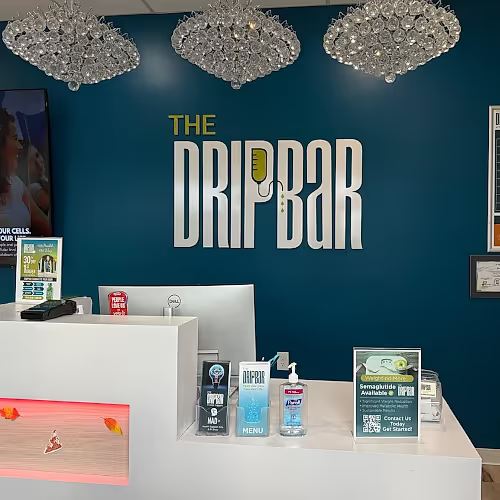

Many guests from the Newland House Museum area appreciate how close our location is for wellness visits. If you are considering immune support during chemotherapy, it is just a one-minute drive away. This convenience makes it easier to fit supportive sessions into your schedule. Whether you are coming in for hydration, nutrient infusions, or to learn about lifestyle habits, our team is ready to help. We encourage everyone to check with their care provider before starting new routines. Your comfort and safety are always our top priorities.
Why immune wellness matters during chemo
Chemotherapy can affect immune function in different ways, depending on the medication and treatment cycle. Some weeks may feel more challenging, with increased fatigue or appetite changes. These shifts can make it harder to maintain hydration and nutrition, both of which are essential for resilience. Shield drips and zinc add-ons are designed to support hydration and deliver nutrients that play a role in immune wellness. However, no single drip or supplement can guarantee protection from illness. The most effective approach combines these supportive tools with practical daily habits. Always coordinate with your oncology team to ensure timing and safety.
Shield drip immune support explained
The Shield drip is an IV infusion formulated to support hydration and provide nutrients linked to immune function. It typically includes vitamin C, magnesium, B-complex, B12, zinc, and NAC. These ingredients are chosen for their roles in antioxidant support and energy metabolism. The Shield drip is not a medical therapy for illness but a supportive wellness option. Always confirm the current formulation and discuss with your healthcare provider before scheduling.
Zinc IV add-on benefits
Zinc is an essential mineral that supports immune cell activity and tissue repair. During chemotherapy, appetite changes can make it hard to get enough zinc from food. An IV zinc add-on offers a targeted way to supplement your routine. It is important to review total zinc intake with your care provider.
Too much zinc can cause side effects or interfere with other minerals. Personalized guidance helps ensure you get the right amount for your needs. Zinc is best used as part of a broader immune wellness plan. Always check with your oncology team before adding new supplements.
Nutrition for immune resilience
Protein-first nutrition helps support tissue repair and immune system building blocks. Micro meals with protein anchors are easier to tolerate during treatment. Calorie fluids like smoothies or broths can help when chewing is difficult.
Food safety is especially important during immune suppression. Wash produce thoroughly and avoid questionable leftovers. Use single-serve items when fatigue makes meal prep harder. Follow your oncology team’s guidance on neutropenia precautions during chemo.
Hydration and nutrition are the foundation of immune resilience. Intake moments throughout the day help maintain stability. Electrolyte drinks may be useful if approved by your healthcare provider.
Hydration and nutrition for immune resilience
A strong immune wellness routine during chemotherapy starts with hydration and nutrition. Intake moments, such as sipping water or broth, help you avoid dehydration and support energy. Micro meals with protein anchors provide building blocks for recovery. The routine should also include rest and stress regulation. Exposure reduction habits, like hand hygiene and masking, add another layer of protection. Remember, immune support during chemotherapy is most effective when these daily habits are consistent. Always personalize your plan with input from your healthcare provider.
Sleep quality and stress management can multiply the benefits of hydration and nutrition. A consistent wake time and gentle wind-down routine help anchor your schedule. Small stress reduction practices, like slow breathing, can make a difference. Protecting your sleep environment supports overall resilience.
Exposure reduction is a high-yield strategy during treatment weeks. Layered protection, such as masking and hand hygiene, lowers the risk of infection. Scheduling appointments during less busy times can help minimize exposure. Family routines, like symptom screening and cleaning high-touch surfaces, add extra safety.
Neutropenia precautions during chemo
Some weeks bring higher infection risk due to low white blood cell counts. Follow your oncology team’s advice on timing for elective visits. Avoid wellness services if you have fever, chills, or other red flag symptoms. Use aggressive risk reduction habits during high-risk periods. Screening and sterile technique are standard at our clinic.
Hydration routines can be adapted for nausea or appetite loss. Intake moments, such as ice chips or diluted drinks, are easier to tolerate. Electrolytes may be added if approved by your healthcare provider.
Sleep and stress regulation tips
A stable wake time is the foundation of good sleep. Gentle wind-down routines, like dimming lights and calm breathing, help signal bedtime. Small snacks may help you avoid awakenings if under-eating is an issue. Reducing decision fatigue can also support better rest.
Stress reduction tools do not need to be complicated. Two minutes of slow breathing or a quick mind unload list can help. Asking for help with meals or errands reduces pressure. Repeated meal templates make daily choices easier. These small steps add up to better resilience.
Tracking your daily hydration, meals, and sleep can reveal what works best for you. Functional markers, like stable energy or fewer headaches, show progress. If benefits from add-ons are not clear, focus on foundational habits. Adjust your routine as needed for your unique needs.
Shield drips and zinc add-ons are best used as supportive layers, not substitutes for basic routines. Pairing a session with a 72-hour recommit block helps reinforce hydration, nutrition, sleep, and exposure habits. Personalized plans and regular tracking make your routine more effective. Your healthcare provider can help guide adjustments over time.
Lifestyle habits for immune support
Clients who visit from the Newland House Museum area often mention how convenient the short drive is for fitting wellness into their busy schedules. This accessibility makes it easier to stay consistent with hydration, nutrition, and exposure reduction routines. Our team is here to help you build habits that support your immune resilience. Every visit is an opportunity to reinforce your wellness plan.
Hydration stations at home make intake moments easier throughout the day. Keeping protein-rich snacks visible encourages regular eating. Hygiene stations near entryways support exposure reduction.
Gentle movement and oral care routines
Gentle movement, like short walks or stretching, supports circulation and helps you avoid deconditioning during treatment weeks. Oral care routines protect the mouth and throat, which can be more sensitive during chemotherapy. Skin care, including moisturizing and monitoring for redness, helps maintain barrier protection. These routines are simple but play a big role in overall resilience. Small daily actions add up to better comfort and stability.
Personalizing your routine is key to making it sustainable. Adjust hydration, nutrition, and movement based on how you feel each week. Communicate changes with your healthcare provider for the safest results.
Weekly planning for immune wellness
A weekly plan helps balance rest, appointments, and recovery. Schedule low-exposure days for rest and hydration. Use recovery days for gentle movement and calm routines.
Appointment days can be easier with extra hydration and snacks planned in advance. Stock simple foods and hydration supplies on prep days. Use a 72-hour recommit block after Shield sessions to reinforce habits. Track your hydration, meals, and sleep to see what works. Adjust your plan as your needs change throughout treatment.
Safety first
Always check with your oncology team before starting new wellness routines. Avoid elective services if you have red flag symptoms like fever or severe nausea. Your safety is our top priority.
Oncology clearance is essential for elective IV therapies during chemotherapy. Screening and sterile technique are standard at our clinic. If you experience any concerning symptoms, contact your care provider promptly. Wellness routines work best when coordinated with your medical team.
Shield drips and zinc add-ons are not substitutes for medical care. Use them as supportive tools within a broader wellness plan. If you notice no measurable benefit, simplify your routine and return to foundational habits. Your healthcare provider can help you decide when to adjust or pause elective services. Safety and comfort guide every recommendation.
Clients often share that consistent routines help them feel more stable during treatment weeks. Small improvements in hydration, nutrition, and sleep can make a noticeable difference. Our team is here to support your journey at every step. Reach out if you have questions or want to discuss your wellness plan.
Immune boosting support with Shield drip
Shield drips are designed to support hydration and deliver nutrients linked to immune wellness. Zinc add-ons offer targeted support for those with inconsistent dietary intake. Both options should be coordinated with your oncology team.
The most effective immune support during chemotherapy combines hydration, nutrition, sleep, and exposure reduction. Shield drips and zinc add-ons are supportive layers, not replacements for foundational habits. Personalized routines and regular tracking help you see what works best. Consistency is key for resilience.
Tracking outcomes helps you understand what is working in your routine. Monitor hydration, meals, and sleep quality daily. Functional markers like stable energy or fewer headaches can show progress. Adjust your plan as needed for your unique situation.
72-hour recommit block after IV visits
After a Shield session, focus on hydration intake moments throughout the day. Include micro meals with protein anchors for steady energy. Protect your sleep routine with a consistent wake time and gentle wind-down. Use layered exposure reduction for the next 72 hours, especially during high-risk weeks. This recommit block helps reinforce the benefits of your session.
A supportive session day includes a light snack before your visit if tolerated. Plan for a calm, low-demand schedule afterward. Pair your session with a protein snack and gentle hydration. The evening should be restful to support recovery.
- Hydration focus: Intake moments throughout the day support energy and comfort.
- Protein anchors: Micro meals with protein help maintain strength and resilience.
- Sleep routine: Consistent wake time and wind-down improve rest quality.
- Exposure reduction: Layered habits like hand hygiene and masking lower risk.
- Personalized plan: Adjust routines based on your weekly needs and licensed provider input.
- Outcome tracking: Monitor hydration, meals, and energy to see progress.
When to pause
Pause elective wellness services if you have fever, chills, or other red flag symptoms. Contact your oncology team for guidance before resuming. Shield drips and zinc add-ons are not substitutes for medical evaluation. Always prioritize your safety and comfort. If you notice no benefit from supportive sessions, simplify your routine. Return to foundational habits and consult your healthcare provider for adjustments.
Red flag symptoms require prompt medical attention. These include uncontrolled vomiting, severe diarrhea, or new swelling with breathing difficulty. Do not approach these as routine wellness issues. Your healthcare provider can help determine the safest next steps. Wellness routines work best when coordinated with medical guidance.
If you are considering adding new supplements or routines, review your plan with your care provider. Avoid stacking multiple zinc sources to help avoid overuse. Personalized guidance ensures you get the right support for your needs. Track your response and adjust as needed. Your safety and comfort are always our priority.
Clients often find that small, consistent changes make the biggest difference during chemotherapy season. Hydration, nutrition, and sleep routines build a foundation for resilience. Shield drips and zinc add-ons are supportive options when coordinated with your healthcare provider. Our team is here to answer questions and help you personalize your plan. Reach out if you want to discuss your wellness routine.
Driving Directions From Newland House Museum
Visit us today for immune wellness support
- From Newland House Museum, 19820 Beach Blvd, Huntington Beach, CA 92648, United States, head north on Beach Blvd. (About 328 ft)
- Turn right into the driveway/unnamed road toward the plaza. (About 52 ft)
- Arrive at The DRIPBaR Huntington Beach, 19740 Beach Blvd, Huntington Beach, CA 92648, United States.
Start your immune wellness journey today
Taking steps to support your immune wellness during chemotherapy can make a meaningful difference in your daily comfort and resilience. Our team is here to help you build a routine that fits your needs and lifestyle. Reach out to discuss your goals or schedule a visit. We are ready to support you every step of the way.
If you have questions about Shield drips, zinc add-ons, or building your immune wellness routine, our team is here to help. Connect with us to learn more about your options. Your comfort and safety are always our priority.