
Many clients from Hazel City Park appreciate how easy it is to reach us for cycle support, with just a short four-minute drive. If you are looking for a practical way to address headaches that cluster around your period, consider a plan that includes hydration, magnesium, and B-complex nutrients. These wellness routines are designed to support your body’s needs during high-risk days. For those who want to learn more, our team can walk you through each step. Learn how a menstrual migraine plan might fit your routine.
Understanding menstrual migraine patterns
Menstrual migraines often follow a predictable pattern, appearing just before or during the first days of a period. For some, headaches intensify in the late luteal phase, while others notice them when multiple triggers overlap, such as stress, disrupted sleep, or missed meals. Recognizing these patterns is the first step in building a supportive plan. Rather than aiming for a fix, the focus is on reducing severity and improving recovery. Tracking symptoms and triggers can reveal useful trends, making it easier to schedule wellness support. Each person’s experience is unique, so personalization is key.
Hydration for migraines: The foundation
Hydration is a cornerstone of migraine support, especially during the menstrual window. Dehydration can amplify headache intensity, fatigue, and muscle tightness for many people. IV hydration therapy offers a structured way to maintain fluid balance when appetite or nausea makes drinking difficult. Consistent hydration, paired with balanced electrolytes, helps support overall comfort and recovery.
Magnesium for migraines
Magnesium is widely recognized in wellness routines for its role in supporting nerve signaling, muscle relaxation, and sleep readiness. Many people with headache-prone cycles describe neck tightness, jaw clenching, and restless nights, areas where magnesium may help support comfort. IV magnesium can be a helpful add-on for those who struggle with oral supplements or want a guided session during high-risk days. Some report feeling calmer or noticing less muscle tension after a session, though results vary. It is important to remember that magnesium does not replace prescribed care. Always discuss new routines with your provider.
Magnesium-centered support routines are not one-size-fits-all. Some people notice benefits from a single session, while others find value in regular, cycle-aware scheduling. The key is to match the approach to your pattern and needs. If tension and sleep issues are common, magnesium may be a useful layer in your wellness stack. Personalization and safety are essential, so always share your health history and supplement use with your wellness specialist. Responsible routines focus on comfort and resilience, not promises of complete relief.
B-complex injection benefits
B-complex vitamins are often chosen for their support of energy metabolism and nervous system function. In headache-prone cycles, B-complex may help with fatigue, brain fog, and overall resilience. Some people select B-complex injections as part of their IV therapy for an added boost during depleted weeks. Always check labels and discuss supplement use to avoid stacking high doses, especially of B6.
B-complex support is best viewed as a complement to hydration and magnesium, not a replacement for balanced meals and sleep. Many people feel steadier when these nutrients are included in their routine, especially if headaches overlap with low energy. Responsible use means tracking how you feel and making adjustments as needed. If you notice tingling or unusual nerve sensations, seek professional guidance. Results vary, and personalization is important.
Combining hydration, magnesium, and B-complex creates a three-layer wellness stack. This approach supports baseline stability, relaxation, and resilience during headache-prone windows. It is not a cure, but it may help reduce disruption and improve recovery. Each layer addresses a different aspect of cycle-related discomfort.
Menstrual migraine relief: Practical strategies
The menstrual migraine spiral can start quickly, and recognizing early signs of a menstrual migraine is key.
Interrupting the cycle early with hydration, steady meals, and stress downshifts can make a difference. IV hydration therapy offers a structured way to support fluid balance, especially when nausea or appetite changes make drinking difficult. Adding magnesium and B-complex can further support relaxation and energy. Tracking symptoms helps refine your plan over time. Consistency is more valuable than intensity.
Scheduling for hydration
Cycle-aware scheduling means planning your wellness support around your most headache-prone days. Some people benefit from a pre-window buffer session, while others need support on peak days or after a migraine. Hydration-first is the foundation, with magnesium and B-complex added based on your pattern. Protecting a recovery window after your session helps maximize comfort. Tracking and adjusting your timing can improve results month by month.
- Hydration-first focus: Start with IV hydration to support fluid balance during high-risk days.
- Magnesium add-on: Include magnesium for relaxation and muscle comfort if tension is a trigger.
- B-complex boost: Add B-complex for energy and resilience, especially if fatigue overlaps with headaches.
- Recovery window: Plan time to rest and recover after your session for best results.
Trigger tracking tips
Tracking your triggers is essential for effective migraine support. Common triggers include dehydration, missed meals, caffeine changes, sleep disruption, and stress. By monitoring these factors, you can identify patterns and adjust your plan accordingly. Use a simple tracker to rate headache severity, sleep quality, hydration, and meals each day. Over time, this helps you pinpoint your top triggers and refine your wellness routine. The goal is to reduce trigger stacking, not eliminate every risk.
Nutrition plays a key role in supporting headache-prone cycles. Stable blood sugar, regular meals, and adequate hydration can help maintain a calmer nervous system. Include protein, fiber-rich carbs, and hydrating foods at each meal. Avoid skipping meals, especially during high-risk days. If you notice certain foods trigger headaches, track them and discuss with your provider before making changes.
Sleep and stress routines are powerful tools for menstrual migraine resilience. Aim for a consistent wake time, morning light exposure, and a calming evening routine. Reduce caffeine later in the day and create a cool, dark sleep environment. Micro downshifts like slow breathing or gentle stretching can help lower stress on migraine days. A calm nervous system supports recovery and comfort.
After a migraine, recovery habits matter. Rehydrate with water and electrolytes, eat a balanced meal when possible, and limit screen time. Gentle movement can reduce stiffness, and prioritizing an earlier bedtime supports recovery. Some people benefit from a structured hydration session if oral fluids are difficult. Listen to your body and adjust your plan for next time.
Optional recovery services, such as red light therapy can complement your routine if available. Red light therapy is often used for gentle comfort and recovery. These services are supportive, not curative, and should be chosen based on your comfort and needs. Always discuss new options with your wellness provider.
Personalizing your wellness stack
We often see guests from Hazel City Park who value the convenience of a quick visit for personalized support. Building your wellness stack starts with identifying your headache pattern and choosing the right foundation. Hydration-first is ideal for those with nausea or fatigue, while magnesium suits those with tension and sleep issues. B-complex is helpful if brain fog or low energy is part of your cycle. Add-ons like red light therapy can be included for extra comfort.
Personalization is about matching your routine to your unique needs. Some people benefit from a pre-period buffer session, while others need support during peak days or for post-migraine recovery. Consistency in scheduling often leads to better results than sporadic visits. Tracking your symptoms and triggers helps refine your plan over time. Our team is here to guide you through each step and adjust your routine as your needs change.
Safety is always a priority when building a wellness stack. Disclose any health concerns, medications, or supplement use before starting a new routine. Magnesium and B-complex support should be individualized, especially for those with kidney concerns or sensitivity to supplements. If you notice unusual symptoms, seek professional guidance promptly. Wellness routines are designed to complement, not replace, medical care.
Cycle-aware planning
Cycle-aware planning means scheduling your support sessions around your most vulnerable days. For some, this is a few days before the period starts; for others, it is during the first days of bleeding or after a migraine. The goal is to create a predictable rhythm that reduces disruption and supports recovery. Tracking your cycle and symptoms helps you fine-tune the timing. Over time, this approach can make your routine more effective and less stressful.
A two-touchpoint plan, with sessions before and after your migraine window, can offer structure without frequent visits. This approach fits those who want consistency and flexibility. Adjust as needed based on your cycle and lifestyle.
Integrating home routines safely
Home routines are an important part of supporting headache-prone cycles. Focus on hydration, balanced meals, and a stable sleep schedule. Include gentle movement and neck or shoulder stretches to relieve tension. Avoid stacking multiple B-complex products without checking labels, and be cautious with magnesium if you have kidney concerns. If you experience tingling, numbness, or unusual symptoms, consult your provider. Simple, consistent habits often make the biggest difference.
Supplements can be helpful, but they are not a substitute for food and rest. Use them thoughtfully and track your response. If you are unsure about a product, ask your wellness specialist for guidance. Responsible routines prioritize safety and personalization.
When to seek medical guidance
It is important to recognize when a headache requires urgent evaluation. Seek care for sudden severe headaches, new neurological symptoms, fever and stiff neck, or headaches that feel very different from your usual pattern. If migraines are increasing in frequency or disrupting daily life, follow up with your healthcare provider. Wellness services do not replace medical assessment or treatment. Always prioritize your safety and communicate openly with your healthcare provider.
IV therapy and supportive routines can complement medical care but are not substitutes for prescribed treatment. Share your full health history and medication list with your provider before starting new services. If you have questions about suitability, our team can help you navigate options.
Stay proactive by tracking changes and seeking help when needed. Your wellness journey is unique, and support is available.
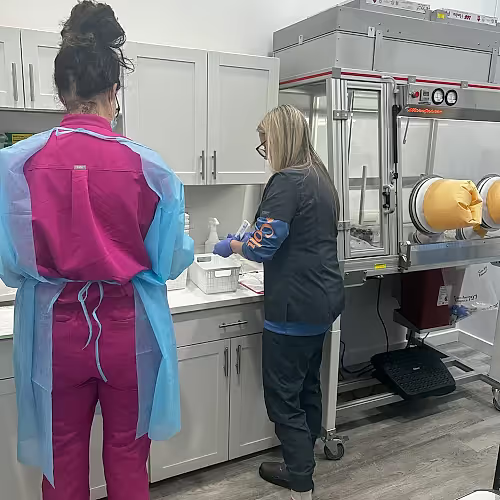
The DRIPBaR Huntington Beach experience is designed to make wellness approachable and effective. From your first visit, you will be welcomed by a knowledgeable team focused on your comfort and goals. Our licensed providers and medical director ensure every session is safe and tailored to your needs. Whether you are new to IV therapy or a returning guest, you will find a supportive environment that encourages questions and ongoing learning. Many clients notice improvements in energy, recovery, and overall well-being after their sessions.
Your next steps for support
If you are ready to explore a personalized wellness stack, start by identifying your cycle pattern and main triggers. Our team can help you build a plan that fits your needs. Scheduling a session is simple and convenient.
During your visit, we will discuss your goals, review your health history, and create a plan that addresses your unique needs. The focus is on comfort, safety, and supporting your body during headache-prone cycles. Many guests find that addressing menstrual migraine support early in their cycle helps them feel steadier and more prepared.
After your session, take time to rest, hydrate, and track how you feel. Adjust your plan as needed for future cycles.
What to expect
Expect a welcoming environment, attentive staff, and a personalized approach to your wellness goals. Our team will guide you through each step, answer questions, and ensure you feel comfortable. Every session is supervised for safety and effectiveness.
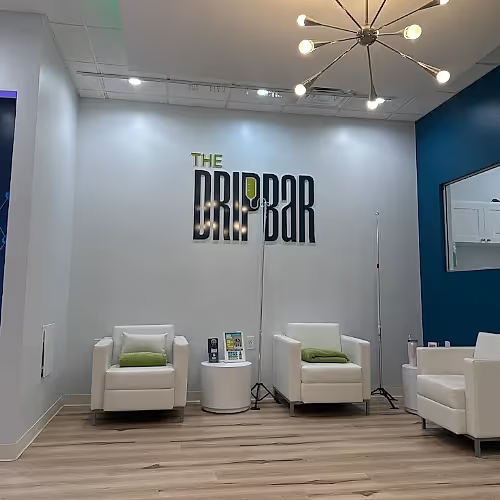
Convenience is a priority, with easy scheduling and flexible options for busy clients. Our lounge offers private rooms and comfortable seating, making your visit relaxing and enjoyable. Complimentary consultations and refreshments are available for all guests. Many clients appreciate the seamless experience and return for ongoing support.
- Hydration for migraines: IV hydration therapy supports fluid balance during cycle changes.
- Magnesium for migraines: Magnesium infusions may help with relaxation and muscle comfort.
- Menstrual migraine treatment: Personalized plans address your unique headache patterns.
- Menstrual migraine relief: Supportive routines can reduce disruption and improve recovery.
- B-complex injection: B-complex vitamins support energy and resilience during depleted weeks.
- Hydration for migraines: Consistent fluids and electrolytes help maintain comfort.
- IV hydration therapy: Structured sessions offer support when oral hydration is difficult.
- Magnesium for migraines: Targeted infusions can be added for those with tension and sleep issues.
Ready to get started?
Taking the first step toward a steadier cycle is simple. Reach out to our team for a complimentary consultation and let us help you build a plan that fits your needs. Many guests find that starting with hydration and adding magnesium or B-complex creates a strong foundation. Your comfort and safety are always our top priorities. We look forward to supporting your wellness journey.
Scheduling is quick and easy through our website or by phone. Our team is ready to answer your questions and help you get started.
If you are new to IV therapy, our staff will walk you through the process, from arrival to finish. We will explain each step, review your goals, and make sure you feel informed and comfortable. Your first visit is an opportunity to learn and ask questions.
Many clients notice improvements in energy, recovery, and overall well-being after their sessions. The most important part is finding a routine that fits your lifestyle and needs. Our team is committed to ongoing education and support. We encourage you to track your progress and share feedback. Together, we can build a plan that helps you feel your best.
Driving Directions From Hazel City Park
Visit The DRIPBaR Huntington Beach Today for Personalized Wellness Support
- From Hazel City Park, 1822 Lake St, Huntington Beach, CA 92648, United States, head north on Lake St. (About 0.2 mi)
- Turn left onto Adams Ave. (About 0.5 mi)
- Turn left onto Beach Blvd. (About 0.3 mi)
- Turn right toward the shopping plaza entrance near Utica Avenue. (About 210 ft)
- Turn left toward the internal plaza road. (About 62 ft)
- Turn right toward the plaza access lane. (About 135 ft)
- Continue straight toward Beach Blvd. (About 164 ft)
- Arrive at The DRIPBaR Huntington Beach, 19740 Beach Blvd, Huntington Beach, CA 92648, United States.
Start your cycle support journey today
Ready to take the next step? Schedule your visit and discover how a personalized wellness stack can support your cycle. Our team is here to help you feel your best.
From your first consultation to ongoing support, we are committed to making your experience comfortable and effective. Let us guide you through each step, answer your questions, and help you build a routine that fits your needs. Book your session today and experience the difference of personalized care at The DRIPBaR Huntington Beach.