
Struggling with cancer treatment fatigue?
Cancer treatments can leave you feeling drained and depleted. Many people experience fatigue, low energy, and weakened immune function during recovery. Understanding these challenges helps you find supportive options for better well-being.
Support Your Recovery and Resilience
Holistic support for recovery.
The DRIPBaR helps individuals facing cancer care support by offering IV therapies designed to replenish nutrients and support immune health. These therapies can help manage fatigue, improve hydration, and promote tissue repair during and after treatment. By addressing nutrient depletion and oxidative stress, IV support aims to enhance overall resilience and quality of life. Each session is tailored to individual needs, focusing on comfort and recovery.
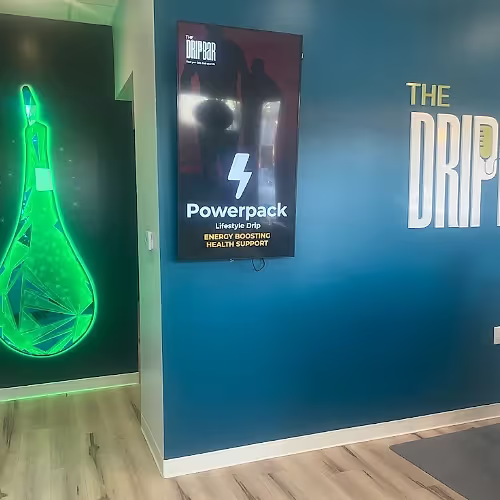
Clients at The DRIPBaR Huntington Beach receive attentive care in a supportive environment, with therapies coordinated alongside their oncology team. Our approach emphasizes safe, nutrient-based support to complement traditional cancer treatments. Sessions are designed to restore energy and hydration, helping you feel your best throughout your journey. Book your appointment today to experience personalized wellness support.
Did you know?
Cancer treatments can significantly deplete essential nutrients, impacting recovery and daily energy levels.
Understanding Cancer Care Support
Cancer care involves strategies that support the body during and after cancer treatment, focusing on both recovery and reducing future risk. Cancer is a group of diseases marked by abnormal cell growth, which can spread and affect various organs. Treatments such as surgery, chemotherapy, and radiation target cancer cells but may also impact healthy tissues. This can lead to fatigue, immune suppression, and nutrient loss, making supportive care important.
Common triggers for increased risk include genetics, lifestyle factors, and environmental exposures. Managing cancer care responsibly means following medical guidance, maintaining a balanced diet, and seeking supportive therapies to address side effects. Early detection and proactive wellness measures can also play a role in prevention. Integrative approaches, including nutrient support, help individuals navigate recovery and long-term wellness.
Symptoms of Treatment Side Effects
Fatigue is one of the most common symptoms experienced during cancer treatment, often making daily activities more challenging. Many individuals also notice a decrease in energy and stamina, which can persist even after therapy ends. Immune suppression is another frequent concern, increasing susceptibility to infections and slowing recovery. These symptoms can vary in intensity depending on the type of cancer and treatment received.
Dehydration is a frequent issue, especially after chemotherapy or radiation, leading to headaches, dizziness, and muscle cramps. Nutrient depletion may result in muscle weakness, nerve discomfort, or slower wound repair. Some people experience digestive changes, such as nausea or loss of appetite, which further complicate nutritional balance. Emotional symptoms like anxiety or low mood are also common and can affect overall well-being.
Inflammation and oxidative stress often increase during cancer care, contributing to tissue damage and discomfort. Skin changes, such as dryness or sensitivity, may occur as a result of treatment. Many survivors report lingering symptoms, including reduced stamina or difficulty regaining previous activity levels. Recognizing these patterns helps guide supportive strategies for recovery and prevention.
Traditional Treatments
Standard cancer care typically involves a combination of surgery, chemotherapy, radiation therapy, targeted therapy, and immunotherapy. These treatments are designed to eliminate or control cancer cells, but they can also affect healthy tissues and lead to side effects such as fatigue, immune suppression, and nutrient loss. Supportive care is often recommended to help manage these effects, including medications for nausea, pain relief, and infection prevention. Nutritional counseling and physical therapy may also play a role in recovery. Ongoing monitoring by healthcare professionals ensures that treatment plans are adjusted as needed to address changing needs. Many individuals benefit from integrative approaches that combine conventional therapies with supportive measures like hydration and nutrient replenishment. Mental support and counseling are also important for maintaining mental well-being. The goal is to help individuals recover more comfortably and maintain the best possible quality of life during and after treatment.
How IV Therapy May Help
IV therapy at The DRIPBaR offers targeted nutrient support to help replenish vitamins, minerals, and antioxidants that may be depleted during cancer care. By delivering hydration and essential nutrients directly into the bloodstream, these therapies can help manage fatigue, support immune function, and promote tissue repair. The controlled dosing and professional supervision ensure that each session is tailored to individual needs, providing a safe and effective complement to traditional treatments. Many clients find that regular IV support helps them feel more resilient and better able to cope with the demands of recovery. Our services are designed to work in harmony with your existing care plan, focusing on comfort and overall wellness. Sessions can be scheduled to fit your treatment cycle, offering flexibility and ongoing support. The DRIPBaR team emphasizes a holistic approach, addressing both physical and emotional aspects of recovery. By prioritizing hydration, nutrient balance, and immune health, we aim to help you regain strength and improve your quality of life.
Nutrient Support for Recovery and Wellness
Specialized IV therapies can help restore hydration, replenish essential nutrients, and support immune balance during and after cancer care.
Allergy
Allergy therapy delivers key nutrients like Ascorbic Acid, NAC, Magnesium, and Zinc directly into the bloodstream for rapid support. This approach helps reduce inflammation and oxidative stress while promoting tissue repair. It supports balanced immune function and respiratory comfort. Regular treatments may enhance energy and mental clarity. Individual responses vary, so monitoring and professional guidance are recommended.
Glutathione
Glutathione
Glutathione is a critical antioxidant that helps neutralize free radicals and supports the body’s detoxification processes. Delivered intravenously, this therapy bypasses digestive barriers for immediate absorption and effectiveness. It aids in reducing oxidative stress, promoting immune resilience, and supporting skin and tissue repair. Regular support with glutathione can contribute to improved energy levels and overall wellness. This infusion is designed for those seeking proactive, science-based approaches to maintain their health and vitality.
Ozone Therapy
Ozone Therapy involves infusing medical-grade ozone into a small blood sample to stimulate immune and antioxidant responses. This process aims to improve oxygen delivery and cellular energy production. It supports detoxification and enhances circulation, contributing to overall health. The therapy is administered by licensed providers in a controlled setting. It is suitable for those seeking to support recovery and maintain wellness. Sessions are designed to be safe, comfortable, and tailored to individual needs. This approach complements broader wellness strategies by promoting natural balance.
Read morePost-Op
Ascorbic Acid (Vitamin C), Amino Acids
Post-Op offers targeted intravenous nutrient delivery to support recovery after surgical procedures. By providing Vitamin C and amino acids directly into the bloodstream, it bypasses digestive limitations for faster absorption. This treatment supports collagen production, immune function, and energy restoration. It is suitable for adults seeking enhanced recovery and reduced inflammation. The infusion is administered by licensed providers to ensure safety and personalized care. This approach may help reduce downtime and improve overall recovery outcomes.
The DRIPBaR made the whole process easy! From the phone call to the visit in person, they were very knowledgeable, friendly, and helpful. Highly recommend!
Great experience!! The licensed provider was extremely kind and knowledgeable. She made us not only feel better but made it a comfortable and relaxing experience!
Read more
Ready to Get Started?
Feel your best with a treatment designed to support your goals! Whether you’re looking for hydration, energy, immune support, recovery, or overall wellness, our team will help you choose the right option and make sure your experience is comfortable from start to finish. Click the Book Appointment button below to pick your reserve a time that fits your schedule.
How does Cancer Care Support support post-recovery wellness?
Cancer care focuses on restoring nutrient balance and supporting immune health after treatment. IV therapies can help replenish vitamins and minerals lost during cancer care. This approach may improve energy, hydration, and overall resilience. Many find it beneficial for maintaining wellness during recovery.
What should I expect at my first Cancer Care Support appointment?
At your first appointment, you will discuss your health history and current needs with a licensed provider. A personalized IV therapy plan will be created to address your goals. The session is supervised for comfort and safety. Most people find the process relaxing and supportive.
How does goal-setting help those living with Cancer Care Support?
Goal-setting provides structure and motivation during recovery from cancer. Setting clear, achievable targets can help track progress and maintain focus. It encourages positive habits and supports mental well-being. Many find that having goals improves their outlook and recovery experience.
How should I plan session frequency when managing Cancer Care Support?
Session frequency depends on your individual needs and treatment plan. Some people benefit from weekly or bi-weekly sessions for ongoing support. Your licensed provider can help determine the best schedule for you. Regular sessions may help maintain energy and hydration.
What environmental factors affect vitamin C performance?
Vitamin C performance can be influenced by stress, illness, and exposure to toxins. High levels of oxidative stress may increase the body’s need for vitamin C. Diet and hydration also play a role in absorption and effectiveness. Maintaining a balanced lifestyle supports optimal nutrient use.