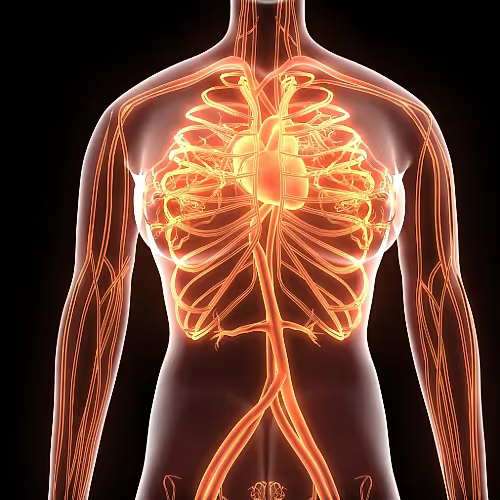

Struggling to manage your heart health?
When your heart and blood vessels are under stress, it can be difficult to maintain energy and well-being. Managing cardiovascular health often means making daily choices that support circulation and reduce inflammation. Simple steps like staying hydrated and prioritizing nutrient intake can help you feel more in control.
Support Heart Function and Circulation Naturally
Targeted support for heart health.
The DRIPBaR offers IV therapies designed to help support cardiovascular health by delivering essential nutrients directly into your bloodstream. These treatments may help improve circulation, reduce oxidative stress, and provide hydration, which can be especially beneficial for those managing high blood pressure or recovering from cardiac events. By focusing on replenishing key vitamins and antioxidants, our approach aims to promote overall heart function and vascular resilience. Regular sessions can complement your existing wellness plan and help you feel more energized day to day.
At The DRIPBaR Huntington Beach, clients can access therapies tailored to their cardiovascular needs, with options that fit a variety of lifestyles and health goals. Our team works with you to determine the best approach for your situation, whether you are looking to maintain heart health or support recovery. Each session is administered by licensed providers in a comfortable, supportive environment. Book your appointment today to take a proactive step toward better cardiovascular wellness.
Did you know?
Cardiovascular disease is the leading cause of death worldwide, affecting millions of adults each year.
Understanding Cardiovascular Disease
Cardiovascular disease refers to a group of conditions that affect the heart and blood vessels, such as coronary artery disease, hypertension, and stroke. These issues often develop over time due to plaque buildup in arteries, which can restrict blood flow and increase the risk of heart attack or stroke. Chronic inflammation and oxidative stress are key contributors to the progression of these conditions. Early recognition and proactive management are important for reducing long-term risks.
Common triggers for cardiovascular disease include high blood pressure, high cholesterol, smoking, diabetes, and a sedentary lifestyle. Managing these risk factors through regular exercise, a balanced diet, and stress reduction can make a significant difference. Preventative care and early intervention help slow disease progression and improve quality of life. Consistent attention to heart health supports better outcomes for those at risk.
Symptoms of Cardiovascular Disease
Symptoms of cardiovascular disease can vary depending on the specific condition but often include chest discomfort, shortness of breath, and fatigue. Some people may notice swelling in the legs or ankles, which can signal fluid retention related to heart function. Irregular heartbeat or palpitations are also common and may be accompanied by dizziness or lightheadedness. These symptoms can develop gradually or appear suddenly, depending on the severity of the underlying issue.
Other signs to watch for include persistent weakness, difficulty exercising, or unexplained weight gain. In some cases, cardiovascular disease may present with subtle symptoms that are easy to overlook, such as mild shortness of breath during routine activities. Early detection and monitoring are important for managing these changes and avoiding complications. Paying attention to new or worsening symptoms can prompt timely evaluation.
It is important to remember that not everyone experiences classic symptoms, especially in the early stages of cardiovascular disease. Some individuals may have silent or atypical presentations, particularly older adults or those with diabetes. Regular check-ups and open communication with healthcare providers help ensure that subtle warning signs are not missed. Addressing symptoms early supports better long-term heart health.
Traditional Treatments
Traditional care for cardiovascular disease often includes a combination of medications, lifestyle changes, and sometimes surgical procedures. Medications may help control blood pressure, lower cholesterol, or avoid blood clots, while lifestyle modifications focus on diet, exercise, and stress management. Cardiac rehabilitation programs can also play a key role in recovery and long-term maintenance. For some individuals, additional therapies such as physical therapy or counseling may be recommended to address specific needs. Ongoing monitoring and regular follow-up visits are important to track progress and adjust treatment as necessary. The approach to care is highly individualized, taking into account each person's risk factors, symptoms, and overall health. Working closely with healthcare professionals helps ensure the best possible outcomes.
How IV Therapy May Help
IV therapy at The DRIPBaR provides a way to deliver essential nutrients and antioxidants directly into the bloodstream, supporting heart and vascular health. This method allows for controlled dosing and rapid absorption, which can be especially helpful for those looking to address fatigue, support recovery, or maintain cardiovascular resilience. By focusing on hydration and replenishing key vitamins, these therapies may help reduce oxidative stress and promote better circulation. Our services are administered by licensed providers in a comfortable setting, ensuring safety and individualized attention. Each session is tailored to your needs and can complement your existing wellness plan. Regular IV therapy may be a valuable addition for those managing risk factors or seeking proactive support for heart health. We encourage clients to discuss their goals and concerns so we can help create a supportive care experience.
Nutrient Support for Heart Wellness
Certain IV therapies can help support cardiovascular health by providing antioxidants and hydration. These offerings may assist with circulation and help reduce oxidative stress. Regular sessions can complement your heart health routine.
Alpha Lipoic Acid (ALA)
Alpha Lipoic Acid (ALA) therapy provides targeted antioxidant support and enhances mitochondrial function. Delivered directly into the bloodstream, it promotes efficient energy production and helps regenerate other antioxidants. This treatment supports metabolic balance and neurological health. It is designed to reduce oxidative stress and improve overall cellular function. Clients seeking integrative wellness options may find this therapy beneficial. The intravenous delivery ensures rapid absorption and effective results.
Ozone Therapy
Ozone Therapy involves infusing medical-grade ozone into a small blood sample to stimulate immune and antioxidant responses. This process aims to improve oxygen delivery and cellular energy production. It supports detoxification and enhances circulation, contributing to overall health. The therapy is administered by licensed providers in a controlled setting. It is suitable for those seeking to support recovery and maintain wellness. Sessions are designed to be safe, comfortable, and tailored to individual needs. This approach complements broader wellness strategies by promoting natural balance.
The DRIPBaR made the whole process easy! From the phone call to the visit in person, they were very knowledgeable, friendly, and helpful. Highly recommend!
Great experience!! The licensed provider was extremely kind and knowledgeable. She made us not only feel better but made it a comfortable and relaxing experience!
Ready to Get Started?
Feel your best with a treatment designed to support your goals! Whether you’re looking for hydration, energy, immune support, recovery, or overall wellness, our team will help you choose the right option and make sure your experience is comfortable from start to finish. Click the Book Appointment button below to pick your reserve a time that fits your schedule.