
Are you struggling with persistent fatigue?
Many expect energy to return with rest, but chronic liver disease can make fatigue linger. Individual experiences vary, and some may notice other symptoms before fatigue. Monitoring changes and seeking professional advice is important for managing ongoing tiredness.
Support for Lasting Liver Wellness
Personalized IV nutrient support.
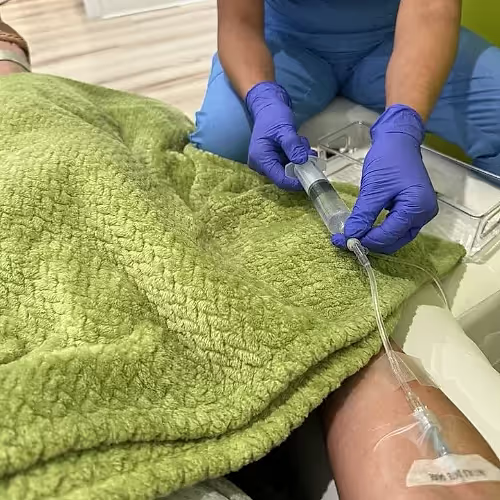
Managing chronic liver disease often requires more than lifestyle changes alone. The DRIPBaR offers IV therapies designed to help replenish nutrients, support detoxification, and promote overall energy. These treatments may help reduce fatigue and support your body’s natural repair processes. Each session is tailored to individual needs for a supportive experience.
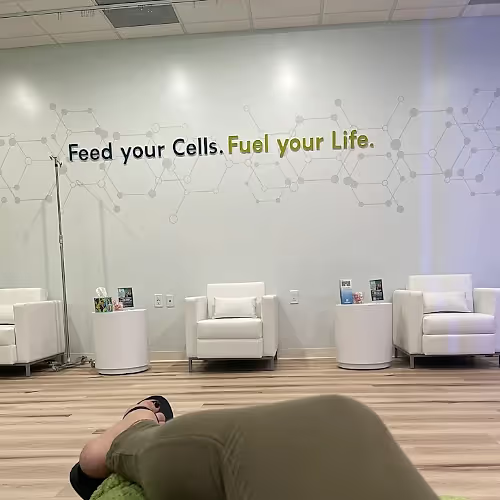
Clients at The DRIPBaR Huntington Beach can benefit from a careful approach that prioritizes safety and comfort. Our licensed providers monitor each session to ensure the right fit for you and minimize risks. If you are seeking additional support for chronic liver disease, consider booking an appointment to explore your options. Take the next step toward feeling your best by scheduling today.
Did you know?
Chronic liver disease can progress silently for years before symptoms become noticeable.
Understanding Chronic Liver Disease
What happens when the liver’s function slowly declines over time? Chronic liver disease develops as the liver sustains ongoing injury, often from causes like viral hepatitis, alcohol use, or metabolic disorders. The liver is essential for detoxification, nutrient storage, and metabolism, so its gradual impairment can affect many body systems. Over months or years, this process can lead to symptoms and complications that impact daily life.
Common triggers include long-term alcohol consumption, viral infections, obesity, and certain genetic conditions. Managing chronic liver disease involves addressing the underlying cause, supporting liver health, and monitoring for complications. Early intervention and ongoing care are important for slowing progression and maintaining quality of life. Lifestyle adjustments, medical therapies, and supportive treatments all play a role in comprehensive management.
Symptoms of Chronic Liver Disease
Unlike acute illnesses, chronic liver disease often develops gradually, so symptoms may be subtle at first. Many people notice persistent fatigue, mild digestive discomfort, or changes in appetite. As the condition progresses, symptoms can become more pronounced and interfere with daily activities. Early signs are sometimes overlooked or mistaken for other health issues.
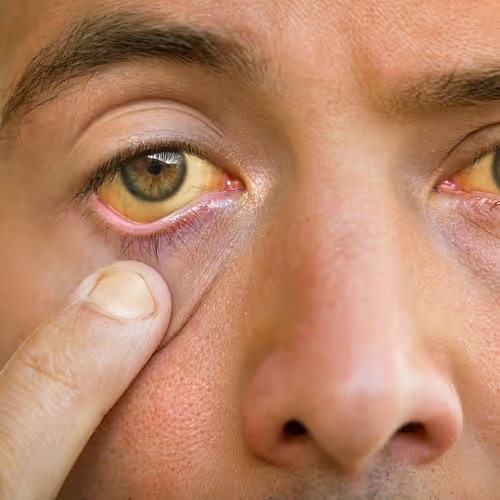
With time, individuals may experience yellowing of the skin or eyes, swelling in the legs or abdomen, and unexplained weight loss. Nausea, easy bruising, and a tendency to feel weak or lightheaded are also common. Some people notice mental fog or difficulty concentrating as the liver’s ability to filter toxins declines. These symptoms can fluctuate and may worsen during periods of stress or illness.
Advanced stages can bring more severe complications, such as fluid buildup in the abdomen, confusion due to toxin accumulation, or increased risk of infections. Malnutrition and immune weakness are also concerns as the liver’s role in nutrient processing diminishes. Recognizing these patterns early and seeking ongoing support can help manage symptoms and improve quality of life.
Traditional Treatments
Standard care for chronic liver disease focuses on caring for the underlying cause and managing complications. This may involve antiviral medications for hepatitis, lifestyle changes for fatty liver disease, or abstaining from alcohol. Nutritional support, regular monitoring, and medications to control symptoms like swelling or itching are also common. In some cases, procedures to manage fluid buildup or bleeding may be needed. Long-term management includes routine lab tests, imaging, and follow-up with healthcare providers. Vaccinations, avoiding certain medications, and maintaining a balanced diet are important for reducing risks. For advanced disease, liver transplantation may be considered. Supportive therapies, such as IV nutrient infusions, can complement traditional care by addressing nutrient deficiencies and supporting overall wellness.
How IV Therapy May Help
IV therapy at The DRIPBaR is designed to deliver targeted nutrients and antioxidants directly into the bloodstream, bypassing digestive limitations. This approach allows for more efficient absorption and can help address nutrient depletion, oxidative stress, and hydration needs that often accompany chronic liver disease. Each session is tailored to individual needs and is supervised by licensed providers to ensure safety and comfort. Our services focus on supporting the body’s natural detoxification and repair processes, which can be especially beneficial for those experiencing fatigue or immune challenges. IV therapy is not a replacement for standard medical treatments but may serve as a valuable complement to your overall wellness plan. By providing controlled dosing and careful monitoring, we aim to help clients feel more resilient and supported on their health journey.
Nutrient Support for Liver Wellness
Targeted IV therapies can help deliver antioxidants and essential nutrients to support liver health. These offerings may assist with detoxification and energy levels. Personalized regimens are designed to complement your wellness goals.
Alpha Lipoic Acid (ALA)
Alpha Lipoic Acid (ALA) therapy provides targeted antioxidant support and enhances mitochondrial function. Delivered directly into the bloodstream, it promotes efficient energy production and helps regenerate other antioxidants. This treatment supports metabolic balance and neurological health. It is designed to reduce oxidative stress and improve overall cellular function. Clients seeking integrative wellness options may find this therapy beneficial. The intravenous delivery ensures rapid absorption and effective results.
Glutathione
Glutathione
Glutathione is a critical antioxidant that helps neutralize free radicals and supports the body’s detoxification processes. Delivered intravenously, this therapy bypasses digestive barriers for immediate absorption and effectiveness. It aids in reducing oxidative stress, promoting immune resilience, and supporting skin and tissue repair. Regular support with glutathione can contribute to improved energy levels and overall wellness. This infusion is designed for those seeking proactive, science-based approaches to maintain their health and vitality.
Time Machine
Time Machine is an intravenous infusion designed to enhance cellular energy and support overall vitality. It delivers key nutrients such as Ascorbic Acid, Taurine, and Magnesium directly to the bloodstream for improved absorption. This approach supports mitochondrial function, cognitive clarity, and tissue regeneration. Regular use may help reduce fatigue and promote skin health. The infusion provides antioxidant protection and supports immune resilience. It is suitable for individuals seeking proactive wellness and recovery support. This therapy can be part of a balanced health routine for sustained benefits.
The DRIPBaR made the whole process easy! From the phone call to the visit in person, they were very knowledgeable, friendly, and helpful. Highly recommend!
Great experience!! The licensed provider was extremely kind and knowledgeable. She made us not only feel better but made it a comfortable and relaxing experience!
Ready to Get Started?
Feel your best with a treatment designed to support your goals! Whether you’re looking for hydration, energy, immune support, recovery, or overall wellness, our team will help you choose the right option and make sure your experience is comfortable from start to finish. Click the Book Appointment button below to pick your reserve a time that fits your schedule.