
Are your symptoms unpredictable?
When symptoms come and go without warning, it can be hard to plan your day. Fluctuating abdominal discomfort, bloating, or changes in bowel habits may disrupt routines. If you notice these patterns, it’s important to find supportive ways to manage them.
Find Relief and Restore Balance
Personalized support options.
Managing Irritable Bowel Syndrome (IBS) can be challenging, but targeted support may help ease digestive discomfort and promote overall gut health. The DRIPBaR offers nutrient-focused therapies designed to address hydration, inflammation, and nutrient gaps that may contribute to IBS symptoms. These approaches can help reduce bloating, support the gut lining, and provide gentle relief for those with sensitive digestion. By focusing on the underlying factors that influence IBS, clients can experience improved comfort and energy.
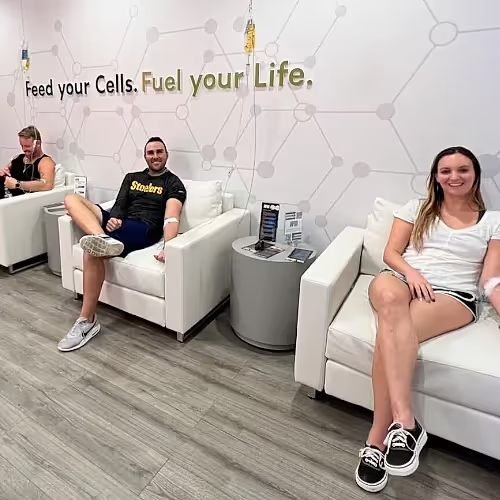
At The DRIPBaR Huntington Beach, clients receive care tailored to their unique needs, with options that fit a variety of lifestyles and dietary preferences. Our team works to create a welcoming environment where you can explore supportive therapies for digestive wellness. If you’re ready to take the next step in managing IBS, book your appointment today.
Did you know?
IBS affects about 10–15% of adults worldwide, often beginning in early adulthood.
Understanding Irritable Bowel Syndrome
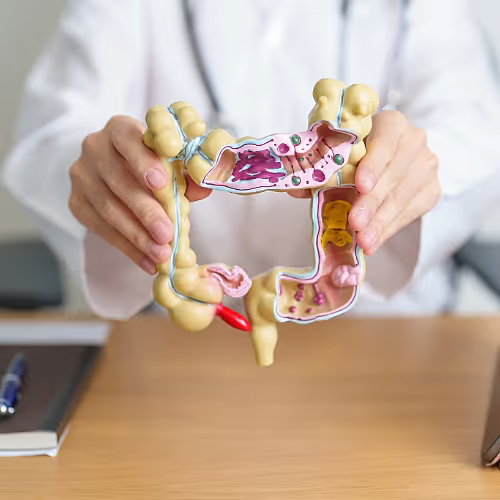
Although many expect digestive issues to be temporary, Irritable Bowel Syndrome (IBS) is a long-term condition that affects how the gut functions. IBS is characterized by chronic abdominal discomfort, bloating, and irregular bowel habits, but it does not cause structural damage to the intestines. The condition is linked to a combination of gut-brain axis changes, heightened intestinal sensitivity, and abnormal gut movement. Stress and hormonal fluctuations can further influence how symptoms appear and change over time.
Common triggers for IBS include certain foods, emotional stress, and imbalances in gut bacteria. Managing IBS often involves a mix of dietary adjustments, stress reduction, and symptom-focused therapies. Many people benefit from tracking their triggers and working with healthcare professionals to develop a plan. Supportive therapies, such as targeted nutrient infusions, can complement these strategies by addressing hydration and nutritional gaps.
Symptoms of Irritable Bowel Syndrome
IBS symptoms often center on abdominal discomfort, which may range from mild cramping to more persistent pain. Bloating and a sensation of fullness are frequent complaints, sometimes accompanied by visible swelling of the abdomen. Changes in bowel habits are common, with some experiencing constipation, others diarrhea, and many alternating between the two. These patterns can shift over time, making it difficult to predict when symptoms will occur.
Gas and irregular stool consistency are also typical, sometimes leading to urgency or incomplete evacuation. Many individuals notice that symptoms worsen after eating certain foods or during periods of heightened stress. Fatigue and brain fog can accompany digestive symptoms, impacting daily activities and concentration. The unpredictable nature of IBS can make social situations and travel challenging for some people.
While IBS does not cause permanent damage to the digestive tract, its symptoms can significantly affect quality of life. Mental well-being may be impacted, as ongoing discomfort and uncertainty about flare-ups can lead to anxiety. Some people find that hormonal changes, such as those related to the menstrual cycle, influence their symptoms. Over time, learning to identify personal triggers and patterns can help in managing the condition more effectively.
Traditional Treatments
Standard care for IBS typically includes dietary modifications, such as adopting a low-FODMAP diet or identifying and avoiding trigger foods. Stress management techniques, including mindfulness and relaxation exercises, are often recommended to help reduce symptom flare-ups. Probiotics and fiber supplements may be suggested to support gut health and regularity. Medications targeting specific symptoms, like antispasmodics or laxatives, are sometimes used under medical supervision. Long-term management focuses on individualized plans that address both physical and emotional aspects of IBS. Regular follow-up with healthcare providers helps monitor progress and adjust strategies as needed. Support groups and counseling can offer additional resources for coping with the condition. Complementary therapies, such as targeted nutrient infusions, may be considered for those seeking holistic support.
How IV Therapy May Help
IV therapy at The DRIPBaR delivers nutrients directly into the bloodstream, bypassing the digestive system and supporting hydration, gut health, and immune balance. This approach may benefit those with dietary restrictions or absorption challenges by providing essential vitamins and minerals in a controlled, supervised setting. Targeted nutrient infusions can help address inflammation, oxidative stress, and fatigue often associated with digestive discomfort. By focusing on the gut-brain connection and overall wellness, these therapies may offer gentle support for symptom management. Clients can explore a range of supportive options tailored to their unique needs, including therapies designed to promote relaxation and reduce stress-related triggers. The DRIPBaR’s services are delivered by licensed providers who prioritize safety and comfort throughout each session. While these therapies are not a replacement for standard medical care, they can complement existing management strategies for IBS. Individuals are encouraged to consult their healthcare provider before starting any new therapy.
Supportive Therapies for Digestive Health
A variety of nutrient-focused therapies are available to help ease digestive discomfort and support gut balance. These options can address hydration, reduce inflammation, and promote overall wellness. Personalized approaches may benefit those managing IBS symptoms.
The DRIPBaR made the whole process easy! From the phone call to the visit in person, they were very knowledgeable, friendly, and helpful. Highly recommend!
Great experience!! The licensed provider was extremely kind and knowledgeable. She made us not only feel better but made it a comfortable and relaxing experience!
Ready to Get Started?
Feel your best with a treatment designed to support your goals! Whether you’re looking for hydration, energy, immune support, recovery, or overall wellness, our team will help you choose the right option and make sure your experience is comfortable from start to finish. Click the Book Appointment button below to pick your reserve a time that fits your schedule.