
Struggling to manage daily fatigue?
After a restless night or a busy day, fatigue can make even simple tasks feel overwhelming. This ongoing tiredness may affect your mood and motivation, making it harder to stay active. Nutrient support like magnesium can help ease muscle tension and promote relaxation.
Feel More Balanced and Energized
Support for daily challenges.
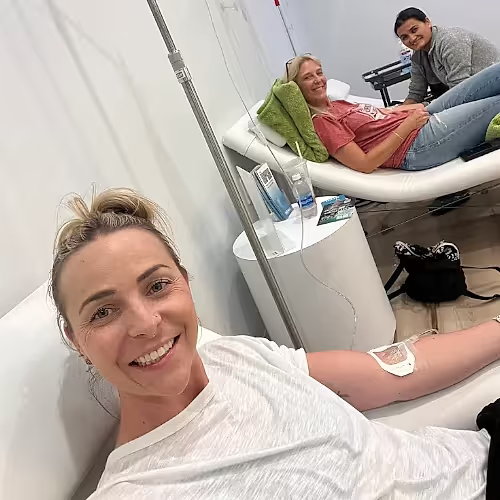
When symptoms of Parkinson’s Disease disrupt your energy and focus, targeted IV therapy may offer gentle support for your neurological and physical well-being. Nutrient infusions can help reduce oxidative stress, support mitochondrial function, and promote muscle relaxation. Many clients find that regular sessions help them feel more stable and alert, with less day-to-day fatigue. Each session is tailored to your needs, with licensed providers monitoring your comfort and progress.
The DRIPBaR Huntington Beach provides a supportive environment where you can explore integrative options for symptom management. Our team helps you build a routine that fits your lifestyle, offering flexible scheduling and ongoing guidance. If you are seeking ways to complement your current care, consider booking an appointment to discuss your goals. Take the next step toward feeling more balanced and resilient.
Did you know?
Parkinson’s Disease affects both movement and non-motor functions, often leading to fatigue, mood changes, and cognitive shifts.
Understanding Parkinson’s Disease
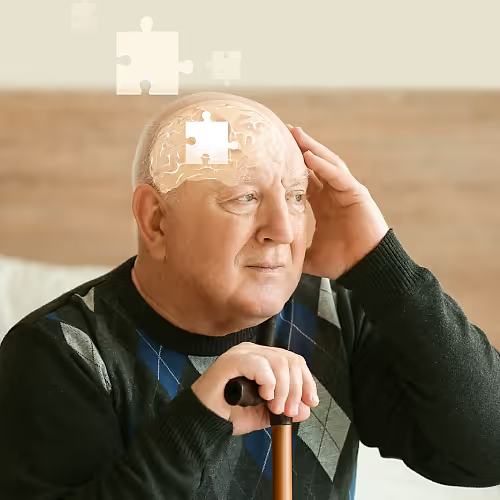
Parkinson’s Disease is a progressive neurological disorder that primarily impacts movement control due to the gradual loss of dopamine-producing neurons in the brain. This loss can result in tremors, muscle stiffness, slowed movement, and balance difficulties, which may become more noticeable over time. Non-motor symptoms such as fatigue, depression, and cognitive changes are also common, affecting overall quality of life. The condition often develops in adults over 60, but early-onset cases can occur.
Genetic factors, environmental exposures, oxidative stress, and mitochondrial dysfunction are believed to contribute to its development. Managing Parkinson’s Disease typically involves a combination of medications, physical therapy, exercise, and lifestyle adjustments. Regular monitoring and adapting care plans are important for addressing changing symptoms. Integrative approaches, including nutrient support, may complement traditional treatments for some individuals.
Symptoms of Parkinson's Disease
If you notice persistent tremors or muscle stiffness, these may be early signs of Parkinson’s Disease that can interfere with daily activities. As the condition progresses, slowness of movement and difficulty with balance often become more pronounced, increasing the risk of falls. Many people also experience changes in facial expression and speech, which can affect communication and social interactions. These symptoms may fluctuate throughout the day, sometimes improving or worsening depending on medication timing.
Non-motor symptoms are also common, including fatigue, depression, anxiety, and sleep disturbances. Some individuals report cognitive changes, such as difficulty concentrating or remembering details, which can impact work and relationships. Digestive issues like constipation and changes in blood pressure may also occur, adding to the complexity of symptom management. Each person’s experience is unique, and symptoms can vary in severity and progression.
Older adults, especially those over 60, are more likely to develop Parkinson’s Disease, but younger individuals can be affected as well. People with a family history or certain environmental exposures may have an increased risk. It is important to seek guidance from healthcare professionals to develop a care plan tailored to your needs. Early recognition and intervention can help maintain independence and quality of life.
Traditional Treatments
Care for Parkinson's Disease often begins with medications that help replenish or mimic dopamine in the brain, such as levodopa, dopamine agonists, and MAO-B inhibitors. These medications can improve motor symptoms like tremors and rigidity, but their effectiveness may change over time, requiring adjustments in dosage or combinations. Physical therapy, occupational therapy, and regular exercise are important components of care, helping to maintain mobility, balance, and daily function. Speech therapy may be recommended for those experiencing changes in voice or swallowing. Lifestyle modifications, including a balanced diet and stress management, can support overall well-being. Ongoing communication with your healthcare team ensures that your treatment plan adapts to your evolving needs.
How IV Therapy May Help
When you are living with Parkinson's Disease, IV nutrient therapy may offer supportive benefits by delivering targeted vitamins, minerals, and antioxidants directly into your bloodstream. This approach allows for consistent dosing and may help address fatigue, oxidative stress, and muscle tension, though individual responses can vary. Licensed providers oversee each session, ensuring your comfort and safety while monitoring for any changes. Many clients appreciate the ability to personalize their care and integrate these services alongside traditional therapies. It is important to remember that IV therapy is not a replacement for prescribed medications or medical advice. Instead, it can serve as a complementary option for those seeking to enhance their wellness routine. Older adults and individuals with complex health needs should consult with their healthcare provider before starting any new therapy. Regular check-ins and open communication help ensure that your care remains safe and effective.
Nutrient Support for Neurological Health
Certain IV therapies provide antioxidants and nutrients that may help support energy, nerve function, and overall well-being for those managing Parkinson’s Disease.
Alpha Lipoic Acid (ALA)
Alpha Lipoic Acid (ALA) therapy provides targeted antioxidant support and enhances mitochondrial function. Delivered directly into the bloodstream, it promotes efficient energy production and helps regenerate other antioxidants. This treatment supports metabolic balance and neurological health. It is designed to reduce oxidative stress and improve overall cellular function. Clients seeking integrative wellness options may find this therapy beneficial. The intravenous delivery ensures rapid absorption and effective results.
NAD+
Nicotinamide Adenine Dinucleotide (NAD) is a coenzyme vital for energy production and cellular repair. This IV therapy delivers NAD+ directly to cells, supporting mitochondrial health and DNA maintenance. It enhances neurotransmitter function and reduces oxidative stress. The infusion helps improve mental clarity, mood, and physical endurance. It is administered under professional supervision to ensure safety and personalized care. This therapy is suitable for adults seeking to support long-term vitality and cognitive function.
Read moreTime Machine
Time Machine is an intravenous infusion designed to enhance cellular energy and support overall vitality. It delivers key nutrients such as Ascorbic Acid, Taurine, and Magnesium directly to the bloodstream for improved absorption. This approach supports mitochondrial function, cognitive clarity, and tissue regeneration. Regular use may help reduce fatigue and promote skin health. The infusion provides antioxidant protection and supports immune resilience. It is suitable for individuals seeking proactive wellness and recovery support. This therapy can be part of a balanced health routine for sustained benefits.
The DRIPBaR made the whole process easy! From the phone call to the visit in person, they were very knowledgeable, friendly, and helpful. Highly recommend!
Great experience!! The licensed provider was extremely kind and knowledgeable. She made us not only feel better but made it a comfortable and relaxing experience!
Read more
Ready to Get Started?
Feel your best with a treatment designed to support your goals! Whether you’re looking for hydration, energy, immune support, recovery, or overall wellness, our team will help you choose the right option and make sure your experience is comfortable from start to finish. Click the Book Appointment button below to pick your reserve a time that fits your schedule.
When might services not be appropriate for licensed providers managing Parkinson's Disease?
Some therapies may not be suitable for individuals with certain health conditions or medication regimens. Licensed providers with Parkinson’s Disease should consult their healthcare provider before starting new treatments. Monitoring for side effects and interactions is important for safety. Personalized care plans ensure the best approach for your needs.