
Struggling to regain energy quickly?
Feeling tired and slow to bounce back after surgery can be discouraging. Many notice lingering fatigue, swelling, or discomfort that makes daily life challenging. Recovery often takes time, but there are ways to support your body’s natural recovery process.
Support Recovery and Restore Vitality
Personalized recovery support.
The DRIPBaR offers targeted support to help your body recover after surgery by replenishing essential nutrients and hydration. Our approach focuses on reducing inflammation, supporting immune function, and promoting tissue repair for a smoother recovery. Each session is designed to address post-surgical fatigue, discomfort, and nutrient depletion. With professional guidance, you can feel confident in your recovery plan.
At The DRIPBaR Huntington Beach, you receive care tailored to your unique needs and recovery goals. Our team monitors your progress and adjusts your plan as needed to help you regain strength and comfort. We encourage you to take an active role in your recovery journey. Book your appointment today to start supporting your post-surgery recovery.
Did you know?
Proper hydration and nutrient intake can significantly influence the speed and quality of post-surgery recovery.
Understanding Post-Surgery Recovery
Post-surgery recovery is the period after a surgical procedure when the body works to recover tissues, manage inflammation, and restore normal function. This process involves repairing damaged cells, replenishing lost fluids and nutrients, and activating the immune system to protect against infection. Recovery times vary depending on the type of surgery, overall health, and individual recovery capacity. Professional support and careful monitoring can help optimize outcomes and reduce complications.
Common triggers for slower recovery include inadequate hydration, poor nutrition, and unmanaged inflammation. Factors such as age, chronic health conditions, and the complexity of the procedure can also play a role. Responsible management involves following medical advice, maintaining wound care, and supporting the body’s needs with rest and balanced nutrition. Adjusting recovery strategies to individual needs can help promote a smoother recovery process.
Common Symptoms of Slow Recovery
Many people experience fatigue and low energy after surgery, which can make daily activities more difficult. Swelling, discomfort, and reduced mobility are also common as the body works to repair tissues. Some may notice changes in appetite or mild nausea during the early recovery phase. These symptoms often improve gradually as recovery progresses.
In some cases, inflammation and soreness may persist longer than expected, especially after more complex procedures. It is not unusual to feel frustrated by slow progress or lingering discomfort. Monitoring for signs of infection, such as redness or fever, is important during this time. Each person’s recovery experience is unique and can be influenced by age, health status, and the type of surgery.
Occasionally, individuals may develop chronic pain or experience delayed wound repair. Nutritional deficits or dehydration can contribute to these challenges. Supportive care and timely adjustments to the recovery plan can help address ongoing symptoms. Open communication with healthcare providers ensures that concerns are managed promptly.
Traditional Treatments
Standard post-surgery recovery care typically includes rest, prescribed medications, wound care, and physical therapy. These approaches help manage pain, reduce inflammation, and support tissue repair. Medical teams may recommend gradual increases in activity and close monitoring of symptoms. Nutrition and hydration are also emphasized to aid the body’s repair processes. Additional supportive therapies, such as supervised IV nutrient infusions, may be considered for those with higher needs or slower recovery. These therapies deliver hydration and nutrients directly to the bloodstream, bypassing the digestive system. While not a replacement for traditional care, they can complement standard treatments by addressing fatigue and nutrient depletion. The best recovery plans are tailored to individual needs and guided by professional input.
How IV Therapy May Help
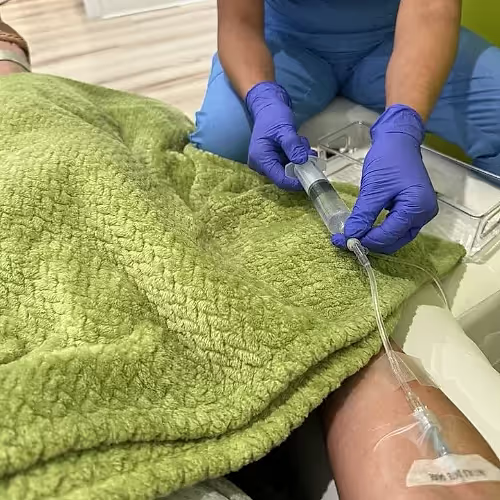
After surgery, many people benefit from targeted support that addresses fatigue, discomfort, and nutrient loss. The DRIPBaR’s services focus on delivering hydration and essential nutrients directly to the bloodstream, which can help support tissue repair and immune function. This approach may be especially helpful for those with reduced appetite or increased nutritional needs. All care is provided under the supervision of licensed providers to ensure safety and comfort. Our recovery support is designed to complement your existing care plan and adapt to your unique situation. By monitoring your progress and adjusting as needed, we aim to help you regain strength and return to daily activities more comfortably. IV therapy offers a controlled way to provide vitamins, minerals, and antioxidants during the recovery process. We encourage open communication and collaboration with your broader healthcare team.
Supportive Therapies for Recovery Needs
Certain therapies can help replenish nutrients, reduce inflammation, and promote tissue repair after surgery. These approaches may support your body’s natural recovery process. Professional guidance ensures each plan is tailored to your recovery.
Post-Op
Ascorbic Acid (Vitamin C), Amino Acids
Post-Op offers targeted intravenous nutrient delivery to support recovery after surgical procedures. By providing Vitamin C and amino acids directly into the bloodstream, it bypasses digestive limitations for faster absorption. This treatment supports collagen production, immune function, and energy restoration. It is suitable for adults seeking enhanced recovery and reduced inflammation. The infusion is administered by licensed providers to ensure safety and personalized care. This approach may help reduce downtime and improve overall recovery outcomes.
Read morePre/Post-Op
Pre/Post-Op is an intravenous therapy designed to support the body’s needs before and after physical stress or procedures. It delivers essential nutrients such as Vitamin C, Magnesium, and Zinc directly into the bloodstream for rapid absorption. This approach helps reduce oxidative stress, supports immune function, and promotes tissue repair. It also aids in restoring energy and mood balance. The therapy is suitable for a variety of individuals seeking to enhance their recovery and overall wellness. It provides targeted support to aid recovery and reduce downtime. This treatment is part of a comprehensive wellness strategy focused on cellular health.
Read moreRed Light Therapy
Red Light Therapy delivers specific wavelengths of red and near-infrared light to the skin and underlying tissues. This process stimulates mitochondrial function, which can enhance cellular energy production and promote tissue repair. The therapy may also help modulate inflammation and improve circulation. Sessions are typically 10 to 20 minutes long and require no downtime. It is often used alongside other wellness treatments to support recovery and resilience. The treatment is non-invasive and designed for comfort. Regular sessions may contribute to improved skin tone and tissue quality over time.
The DRIPBaR made the whole process easy! From the phone call to the visit in person, they were very knowledgeable, friendly, and helpful. Highly recommend!
Great experience!! The licensed provider was extremely kind and knowledgeable. She made us not only feel better but made it a comfortable and relaxing experience!
Read more
Ready to Get Started?
Feel your best with a treatment designed to support your goals! Whether you’re looking for hydration, energy, immune support, recovery, or overall wellness, our team will help you choose the right option and make sure your experience is comfortable from start to finish. Click the Book Appointment button below to pick your reserve a time that fits your schedule.