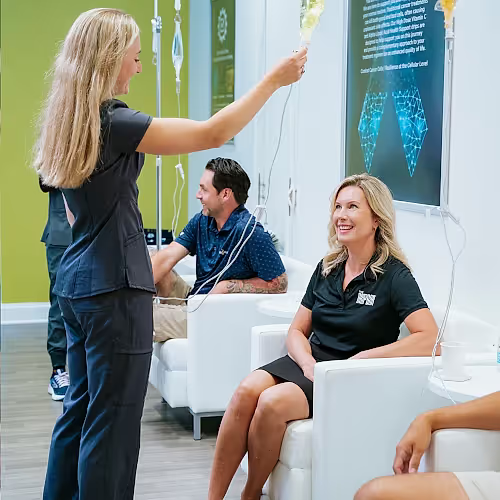

At The DRIPBaR Jacksonville, we often see clients from across the city who want to better understand their vitamin D status as part of their wellness journey. Many are curious about how a Vitamin D test fits into their overall plan, especially if they have limited sun exposure or are managing fatigue. Our team helps clients interpret their results and build routines that support bone health, energy, and immune balance. With our onsite compounding and lab capabilities, we can personalize recommendations based on real data. Whether you are new to supplementation or looking to optimize your current plan, our approach is grounded in safety and education.
Why vitamin D matters here
Vitamin D is frequently discussed in demyelinating conditions because deficiency is common and it interacts with immune regulation. People with these conditions may spend less time outdoors, increasing their risk of low vitamin D. Supporting bone health and muscle function is also important, especially with changes in mobility. Addressing vitamin D status is a practical, measurable step in a broader wellness plan.
Low vitamin D can contribute to fatigue, mood changes, and muscle weakness. While it is not a cure, correcting deficiency may help improve day-to-day resilience. Testing provides a clear baseline for planning. Our team encourages clients to focus on sufficiency and stability, not extremes.
25-hydroxyvitamin D test basics
The 25(OH)D test measures the main circulating form of vitamin D in the blood. It captures contributions from sun, diet, and supplements. This test is the standard for assessing vitamin D status in wellness planning.
Interpreting your lab results
Vitamin D results are typically reported as ng/mL or nmol/L, so it is important to know which unit your lab uses. Levels below about 20 ng/mL are often considered deficient, while 20 to 30 ng/mL may be called borderline or insufficient. Most people aim for a range of 30 to 50 ng/mL for bone health, but higher is not always better. Excess vitamin D can increase the risk of high calcium and kidney issues. Our team helps clients interpret results in context, focusing on sufficiency and safety rather than chasing high numbers.
Reference ranges can vary by lab and individual needs. Always discuss your results with a licensed professional before making changes. Testing is most useful when it informs a stable, sustainable plan.
If your level is low, a conservative supplementation plan is recommended. Retesting after a stable period helps confirm progress. Avoid making decisions based on a single test taken right after a vacation or supplement change.
Vitamin D2 vs D3
Vitamin D supplements come in two main forms: D2 and D3. D3 is often preferred for wellness routines, as it may raise 25(OH)D levels more effectively. Some high-dose prescriptions use D2. The best choice depends on your needs and guidance from a wellness specialist.
Consistency is more important than novelty when it comes to vitamin D supplementation. Take your supplement with a meal containing fat to improve absorption. Avoid stacking multiple new supplements at once, and track how you feel over time.
Planning safe vitamin D supplementation
When building a routine, start by knowing your baseline with a vitamin D test. This helps tailor your plan and avoid excess. Consistent daily dosing, paired with food, supports stable absorption. Our team at The DRIPBaR Jacksonville emphasizes a measured approach, focusing on gradual improvement rather than quick fixes. Tracking your energy, mood, and muscle comfort can help you notice subtle changes. Remember, the vitamin D test is just one part of a comprehensive wellness strategy.
Supplementation should always be conservative and based on your actual needs. High doses without monitoring can lead to toxicity, especially in those with kidney or calcium concerns. Retesting after a few months on a new plan ensures you are staying within a safe range. If your levels do not improve, it may be time to review absorption, consistency, or other health factors with your provider. Wellness is about building sustainable habits, not chasing numbers.
Vitamin D works best when paired with hydration, nutrient-rich meals, and regular movement. Our hydration-first approach at The DRIPBaR Jacksonville helps lay the groundwork for effective supplementation. Sleep, stress management, and pacing are also key to supporting resilience. Small, steady changes often lead to the best results.
Daily wellness foundations for success
Hydration anchors, protein at meals, and consistent sleep routines all support vitamin D’s benefits. Including weight-bearing movement, even gentle strength work, helps maintain bone and muscle health. Cooling strategies are important for those with heat sensitivity. Tracking your daily routines can reveal patterns that support or hinder your progress.
- Hydration anchors: Drink water after waking, with meals, and mid-afternoon.
- Protein focus: Include protein at breakfast, lunch, and dinner.
- Plant servings: Add a plant-based food to most meals.
- Movement routine: Practice weight-bearing or gentle strength activities as tolerated.
- Cooling plan: Use cooling strategies if you are heat-sensitive.
- Sleep anchors: Keep a consistent bedtime and wake time.
- Supplement timing: Take vitamin D with a meal containing fat.
- Track progress: Monitor energy, mood, and muscle comfort daily.
Troubleshooting low vitamin D
If your 25(OH)D levels remain low despite supplementation, check your routine for consistency. Make sure you are taking your supplement with food that contains fat. If issues persist, discuss possible absorption or medical factors with your provider.
Other factors like sun exposure, body composition, and certain medications can influence vitamin D status. Seasonal changes may also affect your levels. Reviewing your full health picture helps create a more effective plan.
Do not increase your dose indefinitely without reassessment. Investigate the underlying cause if your levels do not respond. Safe, steady progress is the goal.
Vitamin D is just one piece of a larger wellness puzzle. At The DRIPBaR Jacksonville, we encourage clients to focus on daily routines that support hydration, nutrition, movement, and sleep. Our team provides guidance on building sustainable habits and tracking meaningful outcomes. By combining lab-informed supplementation with foundational wellness practices, you can support your energy, bone health, and overall resilience. Remember, wellness is a journey, not a destination.
Vitamin D toxicity risks
Excess vitamin D can lead to high calcium levels, which may cause nausea, constipation, excessive thirst, or confusion. These symptoms can overlap with common complaints, so it is important to monitor for changes after increasing supplementation. People with kidney disease, a history of kidney stones, or certain endocrine conditions should be especially cautious. Always consult a licensed professional before making significant changes to your supplement routine. If you feel worse after starting or increasing vitamin D, pause and seek guidance. Safety is always the top priority.
Vitamin D toxicity is rare with conservative dosing and regular monitoring. Retesting and tracking symptoms help you avoid complications. When in doubt, keep your plan simple and clinician-aligned.
If you experience new or severe symptoms, seek medical evaluation rather than adjusting supplements on your own. Early attention may help you avoid more serious issues. Wellness is safest when changes are made thoughtfully.
Integrating vitamin D into your routine safely
Many clients from neighborhoods near Tamaya Market appreciate how easy it is to fit wellness visits into their busy schedules. By starting with a clear vitamin D baseline, you can personalize your supplementation plan and avoid unnecessary risks. Our team at The DRIPBaR Jacksonville helps you build a routine that fits your lifestyle, focusing on gradual, sustainable changes. With onsite lab capabilities, we make it simple to track your progress and adjust as needed. Wellness is about creating habits that last.
If you are considering vitamin D supplementation, begin by gathering your baseline lab result, sun exposure habits, and dietary patterns. Choose a single supplement and take it consistently with a meal. Track your energy, mood, and muscle comfort over several weeks for a clearer picture of your progress.
For those with higher risk factors, such as kidney issues or complex medical histories, extra caution is needed. Discuss your plan with a licensed professional and avoid stacking multiple new supplements at once. Safety and simplicity should always guide your approach.
Personalizing your supplementation plan
Define your primary goal, whether it is correcting deficiency or maintaining sufficiency through winter. Gather context like your baseline lab result and current supplement list. Build a simple, repeatable routine that you can sustain.
Track daily outcomes such as energy stability, mood steadiness, and sleep quality. Retest your vitamin D level after a stable period to confirm progress. Adjust your plan only as needed, based on both labs and how you feel.
If your vitamin D level does not improve, review your adherence, supplement timing, and possible absorption issues. Consult your provider for further evaluation if needed. Avoid making frequent changes without clear data.
Vitamin D is a foundation, not a fix-all. Pairing supplementation with hydration, nutrition, movement, and sleep protection creates a stronger wellness plan. Our team supports you in building habits that promote resilience and stability. By focusing on the basics, you can make meaningful progress over time. Remember, more is not always better. Consistency and moderation are key to long-term success.
When to seek medical guidance
Seek medical evaluation if you experience new or rapidly worsening weakness, vision changes, or balance problems. Other red flags include fever, severe dizziness, confusion, chest pain, or persistent vomiting. High calcium symptoms like severe constipation, confusion, or excessive thirst after high-dose supplementation also warrant prompt attention. Do not ignore severe headache with fever or neck stiffness. If you feel unwell after increasing vitamin D, pause supplementation and consult a licensed professional. Early intervention may help you avoid complications. Your safety is always the priority.
Wellness routines work best when paired with regular check-ins and open communication. If you are unsure about a symptom or lab result, reach out for support. Proactive care helps you stay on track.
Building a relationship with your wellness team creates a foundation for long-term success. Trust and communication are essential. Your health journey is unique, and your plan should reflect that.
If you are managing a demyelinating condition, focus on what you can control: hydration, nutrition, movement, and sleep. Vitamin D is one piece of a larger puzzle. Our team is here to guide and support you every step of the way.
Key takeaways for vitamin D wellness
The 25(OH)D test is the standard for assessing vitamin D status. Sufficiency and stability matter more than pushing levels high. Conservative, consistent routines are safest.
Vitamin D excess can be harmful, especially for those with kidney or calcium concerns. Pair supplementation with hydration, nutrition, and movement for best results. Monitor your progress and adjust as needed.
The DRIPBaR Jacksonville supports vitamin D wellness by offering structured hydration-first services and lab-informed guidance. Our approach is rooted in safety, personalization, and education. Medical assessment and long-term management remain with your clinical team. Together, we help you build a strong foundation for resilience.
Vitamin D, bone health, and energy support
Vitamin D is a key player in bone metabolism and muscle function. For those with demyelinating conditions, maintaining bone strength and energy is especially important. Low vitamin D can increase the risk of bone loss and fatigue. A measured supplementation plan, paired with movement and hydration, supports overall wellness. Our team helps you integrate these elements into your daily routine.
The vitamin D test is a valuable tool for anyone looking to optimize bone health and energy. By knowing your baseline, you can make informed decisions about supplementation. Consistent routines and regular monitoring help you stay within a safe range. If you have questions about your results, our team is here to help. Remember, the vitamin D test is just one part of a comprehensive approach.
Pairing vitamin D with calcium and magnesium is sometimes discussed, but supplementation should be individualized. Food-based sources are often preferred, and additional supplements should be clinician-guided. Balance and moderation are essential for safety.
Building a sustainable routine
Start by defining your primary goal for vitamin D, whether it is correcting deficiency or supporting bone health. Gather your baseline lab result and consider your sun exposure, diet, and risk factors. Choose a single supplement and take it consistently with a meal containing fat. Track your daily outcomes and retest after a stable period. Adjust your plan as needed, always prioritizing safety and simplicity.
If you are not seeing progress, review your adherence and supplement timing. Discuss possible absorption or medical factors with your provider. Avoid making frequent changes without clear data. Sustainable routines are built on consistency and patience.
- Lab readiness: Know your vitamin D units and current supplements.
- Sun exposure: Note your patterns and seasonality.
- Diet review: Track fortified food intake.
- Risk factors: Identify kidney stone or calcium issues.
- Supplement choice: Use one vitamin D product at a time.
- Meal pairing: Take supplements with fat-containing meals.
- Routine tracking: Monitor sleep, mood, and energy daily.
- Safety check: Consult a professional if you have complex health needs.
Daily tracking for progress
A simple daily tracker can help you notice patterns and make informed adjustments. Record your energy stability, mood steadiness, and sleep quality each day. Note whether you took your vitamin D and any significant triggers or wins. Over four weeks, these notes provide valuable insight into what is working. Share your tracker with your wellness team for personalized feedback. Consistent tracking supports better outcomes and safer supplementation.
If you notice new symptoms or changes, pause and review your routine. Early attention helps you avoid complications. Your wellness journey is unique, and your plan should reflect your needs.
Vitamin D is a foundation, not a cure. Pairing it with hydration, nutrition, and movement creates a stronger plan. Our team is here to support you in building habits that last.
Remember that wellness is a journey, not a quick fix. Small, steady changes often lead to the best results. By focusing on daily routines and regular monitoring, you can support your bone health, energy, and overall resilience. Our team at The DRIPBaR Jacksonville is here to guide you every step of the way. Together, we can build a plan that fits your lifestyle and supports your long-term goals.
Final thoughts on vitamin D
Vitamin D is an important part of wellness planning for those with demyelinating conditions. The 25(OH)D test provides a clear baseline for safe, effective supplementation. Focus on sufficiency and stability, not extremes. Pair vitamin D with hydration, nutrition, and movement for best results. Regular monitoring and open communication with your wellness team help keep your plan on track. Your health journey is unique, and your routine should reflect your needs.
If you have questions about your vitamin D status or supplementation plan, reach out for support. Our team at The DRIPBaR Jacksonville is here to help you build a safe, sustainable routine. Wellness is about progress, not perfection. Take the next step with confidence.
By focusing on daily habits and regular check-ins, you can support your energy, bone health, and resilience. The vitamin D test is a valuable tool, but it is just one part of a comprehensive approach. Trust your journey and celebrate your progress.
Thank you for exploring vitamin D and demyelinating conditions with us. Our team is committed to providing education, guidance, and support for your wellness goals. If you are ready to take the next step, we invite you to connect with us at The DRIPBaR Jacksonville. Together, we can build a plan that fits your life and supports your long-term health.
Explore more about vitamin D testing
If you are interested in learning more about vitamin D lab work and its role in wellness, there are excellent resources available. These links provide clear, practical information to help you make informed decisions about your health.
Additional Related Resources
For a straightforward explanation of what a vitamin D blood test checks and why it is ordered, visit this page on vitamin D test basics and what 25(OH)D means. It covers the standard markers used in wellness planning and helps clarify common lab names.
Custom IV Drip: Calcium, Vitamin C, B Complex
This web site is for educational purposes only. It is not intended as a substitute for the diagnosis, treatment and advice of a qualified licensed professional. This site offers people health information and informs them about some of their options, but in no way should anyone consider that this site represents the “practice of medicine.” This site assumes no responsibility for how this material is used. Also note that this website frequently updates its contents, due to a variety of reasons.
At The DRIPBaR Jacksonville, your well-being is our top priority. Our Medical Director, Leslie Smith (License No: 9203170, FL), leads our licensed providers with expert guidance. While Leslie Smith doesn’t see clients on-site, they work closely with our licensed medical professionals, ensuring you receive safe, high-quality, and personalized care during every visit. You’re in trusted hands with a team dedicated to helping you feel your best.
- Terms of Use
- Privacy Policy
- Accessibility
- Sitemap
- (904) 204-1541
- Text Us
- Book Appointment
- Get Directions
- Message Us
- Current Promos
- (904) 204-1541
- Text Us
- Book Appointment
- Get Directions
- Message Us
- Current Promos