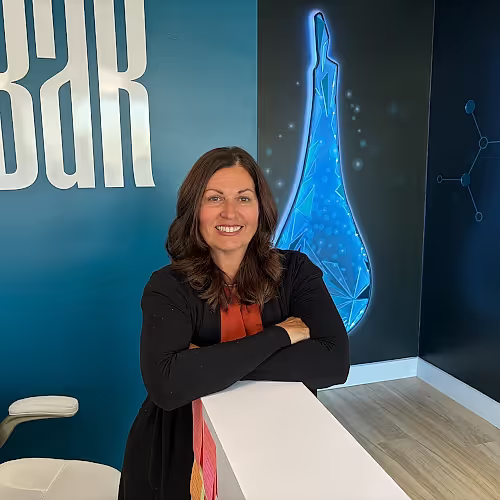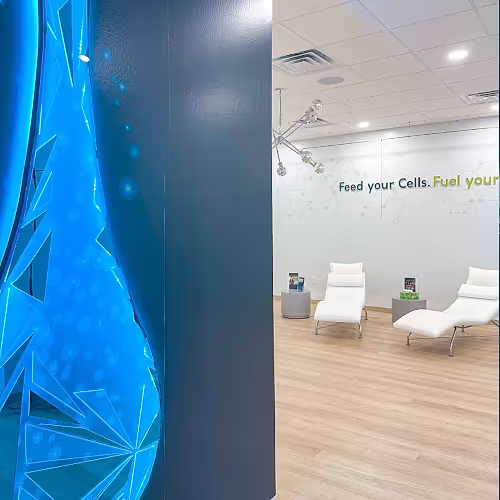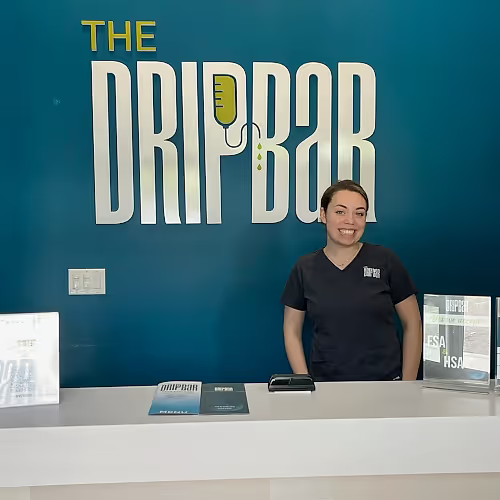

Many people in Johnstown and the surrounding area are discovering new ways to improve their nightly routines. At The DRIPBaR, magnesium IV therapy for sleep support is becoming a popular choice for those seeking a calm, restorative evening. Whether you are a busy professional or an active adult, a supportive environment and knowledgeable staff make it easy to try something new. The clinic’s convenient location means a short drive can lead to a more restful night. Exploring these options can be the first step toward better sleep.
Magnesium-based IV therapy is not a cure, but it may support relaxation and muscle comfort. Many clients notice subtle benefits when this service is paired with healthy sleep habits. The right approach depends on your unique needs and goals.
Why Sleep Support Matters Most
Quality sleep is essential for energy, mood, and overall wellness, yet many adults find it difficult to achieve consistently. Factors like stress, late-night screen use, and irregular routines can disrupt the body’s natural rest cycles. Magnesium is often called the relaxation mineral, and its role in muscle and nerve function makes it a popular choice for those seeking better sleep. At The DRIPBaR Johnstown, magnesium-based IV therapy is offered as part of a broader recovery plan. This approach emphasizes hydration, nutrition, and routine building alongside any wellness service. By focusing on the whole picture, clients can address multiple barriers to restful sleep.
Soother IV Drip Benefits
The Soother IV drip is designed to support relaxation and help ease tension, making it a strong fit for evening recovery routines. Its blend of magnesium, calcium, and taurine is tailored to promote neuromuscular balance and a sense of calm. Many clients choose Soother when they feel wired at night or struggle to unwind after a long day. This drip can complement other healthy habits, such as reducing screen time and maintaining a consistent bedtime. While some notice a gentle sense of relaxation, others may experience more subtle effects. Results depend on individual factors and lifestyle choices.
IV Therapy for Relaxation Support
IV therapy for relaxation support offers a structured, professional setting for those seeking calm. Licensed providers guide each session, ensuring comfort and safety. This approach can be especially helpful for clients who cannot tolerate oral supplements.
Unlike oral magnesium, IV delivery bypasses digestion and can be more comfortable for those with sensitive stomachs. The session includes hydration, which is often overlooked but essential for nighttime comfort. Many clients report feeling more balanced after a drip, especially when it is part of a routine that includes proper nutrition and stress management. The effects are not guaranteed and vary from person to person. It is important to set realistic expectations and focus on building healthy habits. IV therapy should always be delivered with proper screening and oversight. Persistent sleep issues should be discussed with a healthcare provider.
Magnesium Calcium Taurine Drip
The combination of magnesium, calcium, and taurine in the Soother drip is designed to support muscle relaxation and electrolyte balance. Magnesium helps regulate nerve signals and muscle contractions, while calcium works alongside it to maintain smooth muscle function. Taurine is included for its role in cellular hydration and calming support. Together, these ingredients may help ease physical tension and promote a sense of calm as part of an evening routine. Clients often choose this blend when they experience muscle tightness or restlessness at night. The effects are most noticeable when paired with consistent sleep hygiene and a structured recovery plan.
Clients who train late, travel frequently, or experience high stress may benefit from a magnesium-based drip as part of their unwind strategy. The Soother is not a sedative, but it can support the body’s natural shift into rest mode. Pairing the drip with calming activities and a balanced meal can enhance its benefits. It is important to avoid overstacking supplements and focus on what works for your body. Always communicate any health concerns with your wellness provider.
Evening recovery planning should include more than just a drip. Reducing caffeine, limiting screens, and setting a consistent bedtime all play a role. The best results come from a holistic approach that addresses both physical and mental barriers to sleep.
Evening Recovery Routine Planning
Building an effective evening recovery routine starts with understanding your main sleep challenge. Whether you struggle to fall asleep, wake up often, or feel physically tense, magnesium IV therapy for sleep support can be one piece of the solution. Begin by setting a caffeine cutoff and hydrating earlier in the day. Add calming activities like light stretching or journaling to help signal your body it is time to rest. Consistency is key for lasting results. Over time, these habits can help create a more restful night.
A structured plan can make it easier to unwind after a busy day. Start by eating a balanced meal two to four hours before bed, especially if you have trained late or feel depleted. Lower the lights and reduce screen time as bedtime approaches. Incorporate gentle movement or breathwork to help downshift your nervous system. These steps, combined with hydration and targeted support, can set the stage for better sleep.
Morning habits also influence nighttime rest. Getting sunlight exposure early in the day helps anchor your circadian rhythm. Regular meals and light activity can further support your body’s natural sleep-wake cycle. Avoiding late naps and keeping a consistent schedule are simple ways to improve sleep quality.
Hydration and Electrolyte Balance for Sleep
Hydration and electrolyte balance are often overlooked factors in sleep comfort. Dehydration can cause headaches, cramps, and nighttime thirst, making it harder to rest. IV hydration drips can help restore fluid balance, especially for those who sweat heavily or travel often. Sodium and potassium are also important for muscle function and comfort. Addressing these needs can reduce restlessness and support a smoother transition into sleep.
Clients who wake up thirsty or with headaches may benefit from focusing on hydration earlier in the day. Alcohol and caffeine both affect fluid balance and can disrupt sleep if not managed carefully. A hydration-first approach is often best for those whose sleep issues are tied to travel, heat, or late-night workouts. Pairing hydration with calming routines and balanced nutrition can amplify the benefits. Remember, no single service replaces the value of consistent sleep habits. A wellness specialist can help you identify which strategy fits your needs.
- Routine building: Consistency in sleep and wake times supports better rest.
- Hydration focus: Drinking fluids earlier in the day helps you avoid nighttime discomfort.
- Nutrition support: Balanced meals with protein and carbohydrates aid recovery and sleep quality.
- Screen reduction: Limiting bright screens before bed can improve sleep onset.
- Calming activities: Light stretching or breathwork helps signal your body to unwind.
DRIPBaR Sleep Support Services
The DRIPBaR offers a range of sleep support services tailored to individual needs. Options include magnesium-based drips, hydration blends, and recovery-focused sessions. Each service is delivered by licensed professionals in a calm, welcoming environment.
Soother is the most popular choice for clients seeking relaxation and muscle comfort in the evening. Hydration-focused drips are ideal for those who experience sleep disruptions related to dehydration, travel, or late-night activity. Restoration and Vitality blends provide broader recovery support and can be helpful for clients dealing with overall fatigue or stress. The Debut offers a gentle introduction for those new to IV therapy, focusing on balanced foundational support. Each option is paired with education on sleep hygiene and routine building. Results vary, and the best outcomes come from combining these services with healthy lifestyle habits.
Clients are encouraged to discuss their main sleep challenges with a wellness specialist before choosing a service. This helps ensure the selected drip aligns with their goals and current health status. Open communication and realistic expectations are key to a positive experience. The DRIPBaR team is dedicated to providing clear guidance and ongoing support.
Evening Recovery for Johnstown Clients
Many clients from Johnstown appreciate having a trusted wellness resource close to home. The DRIPBaR’s convenient location makes it easy to fit a recovery session into a busy schedule. Whether you are preparing for a big week or recovering from travel, a short drive can lead to a more restful night.
Evening recovery is about more than just timing. It includes what you eat, how you manage caffeine, and the routines you build around bedtime. A magnesium-based IV session can complement these habits by supporting muscle relaxation and hydration. The best results come from a consistent approach that addresses both physical and mental aspects of sleep. Licensed providers are available to guide you through each step.
Clients are encouraged to communicate any health concerns or persistent sleep issues with their provider. Medical evaluation is important for symptoms like loud snoring, breathing pauses, or ongoing fatigue. The DRIPBaR team prioritizes safety and clear education at every visit.
Evening Recovery Steps
A practical evening recovery plan starts two to four hours before bedtime. Begin with a balanced meal and steady hydration to prepare your body for rest. Set a caffeine cutoff and avoid intense exercise late at night. As bedtime approaches, lower the lights and choose calming activities like reading or gentle stretching. Consistency in these steps helps signal your body it is time to unwind.
One to two hours before sleep, focus on downshifting your nervous system. Reduce screen time and move to quiet, low-stimulation activities. Breathwork or a warm shower can further support relaxation. Setting up a cool, dark sleep environment makes it easier to fall and stay asleep. These habits work best when repeated regularly.
Safe Sleep Support
Safety is always the top priority at The DRIPBaR. All IV sessions are delivered by licensed professionals with careful screening and oversight. Clients with ongoing or severe symptoms are encouraged to seek additional medical advice.
Extra caution is recommended for clients with kidney or heart conditions, pregnancy, or those on medications affecting electrolytes. Communicate any history of reactions to IV therapy or severe dehydration before your session. Persistent insomnia, breathing issues, or mental health concerns should be discussed with a healthcare provider. The DRIPBaR team is committed to providing a safe, supportive experience for every client. Open dialogue ensures the best possible outcomes.
Unwind Routine Tips
A simple unwind routine can make a big difference in sleep quality. Start with a calm session, such as a magnesium-based drip, followed by light movement or stretching. Add a few minutes of slow breathing and dim the lights to help your body transition to rest. Repeat these steps several nights a week for the best results.
Clients who keep their routines simple often find it easier to identify what works. Avoid stacking too many supplements or changing multiple habits at once. Focus on consistency and listen to your body’s feedback. Over time, these small changes can add up to better sleep.
Nutrition plays a key role in nighttime comfort. Under-fueling can lead to restlessness and wake-ups during the night. A balanced dinner with adequate protein and carbohydrates supports recovery and helps the body relax. Hydration earlier in the day is also important for avoiding nighttime discomfort. These foundational habits work alongside any wellness service.
If you are unsure where to start, speak with a wellness specialist about your main sleep challenges. They can help you build a plan that fits your lifestyle and goals. Remember, results vary and patience is important. The right routine is one you can maintain over time.
Planning Your Sleep Routine
Start by identifying your biggest sleep challenge, whether it is falling asleep, staying asleep, or waking up tired. Build your routine around this goal, using a combination of hydration, nutrition, and calming activities. Consistency is more important than perfection.
Clients often ask how magnesium IV therapy for sleep support fits into their evening plan. The answer depends on your unique needs and schedule. Pairing a drip with a balanced meal and a calm routine can help maximize its benefits. Remember, no single service replaces healthy habits.
Evening Recovery Routine Checklist
A checklist can help keep your evening routine on track. Include a calm session, light movement, and a few minutes of relaxation or breathwork. Dim the lights and avoid screens as bedtime approaches. Hydrate earlier in the day and eat a balanced dinner. Repeat these steps regularly for the best results.
If you are new to IV therapy, start with a gentle session and see how your body responds. Communicate any concerns with your licensed provider or wellness specialist. Adjust your routine as needed for comfort and consistency.
- Calm session: Choose a magnesium-based drip for relaxation support.
- Light movement: Gentle stretching or a short walk helps downshift your body.
- Breathwork: Slow, deep breathing calms the nervous system.
- Screen reduction: Lower lights and avoid devices before bed.
- Balanced nutrition: Eat a light meal or snack to support recovery.
When to Choose Soother
Soother is a strong choice for clients who feel tense, wired, or physically restless at night. It is best suited for those seeking muscle comfort and a calming experience. If dehydration is a primary concern, a hydration-focused drip may be a better starting point. Always discuss your main sleep challenges with your provider. The right match depends on your unique situation.
Clients who experience muscle tightness, late-night tension, or difficulty unwinding often benefit from Soother. This blend supports relaxation themes and can be paired with other healthy habits for a more complete routine. Remember, results vary and are influenced by lifestyle choices. Open communication with your wellness team helps ensure the best experience. Consistency over time is key.
For those who travel frequently or have irregular schedules, planning ahead is essential. Schedule your session at a time that allows for a calm transition into the evening. Bring a list of medications and eat a light meal beforehand to support comfort. After your session, continue gentle hydration and choose relaxing activities. Setting up a cool, dark sleep environment can further enhance your results. The goal is to create a routine that feels sustainable and supportive.
Hydration and Sleep Comfort Tips
Hydration plays a key role in nighttime comfort. Drink fluids steadily throughout the day rather than right before bed. This helps you avoid nighttime wake-ups and supports muscle relaxation.
Clients who sweat heavily, use alcohol, or train late may need extra attention to fluid and electrolyte balance. Pairing hydration with a balanced meal and calming routine can improve sleep quality. Sodium and potassium are important for muscle function and should not be overlooked. Discuss your needs with a wellness specialist for tailored guidance.
A simple plan is often the most effective. Focus on hydration, nutrition, and consistent routines rather than stacking multiple supplements. Over time, these habits can support better sleep and recovery. Listen to your body and adjust as needed.
Start Your Recovery Journey Today
If you are ready to explore new ways to support your sleep and recovery, The DRIPBaR Johnstown is here to help. Reach out to our team for a quick message-based conversation or stop by for a personalized consultation. Whether you are seeking relaxation, hydration, or a complete recovery plan, our licensed professionals are ready to guide you. Choose the next step that feels right for you and begin building a routine that supports your wellness goals.
Additional Related Resources
To better understand why sleep is so important for recovery and energy, the National Heart, Lung, and Blood Institute provides an in-depth overview on why healthy sleep matters for recovery and energy. This guide explores sleep stages, the impact of rest on daily function, and practical advice for building better routines.
Which daily habits help keep relaxation and recovery strong?
Consistent sleep and wake times help anchor your body’s natural rhythms. Hydrating earlier in the day and eating balanced meals support comfort and energy. Reducing evening screen time and practicing calming activities can further promote relaxation. Small, steady habits often lead to the best results.