
Many of our clients from Loveland appreciate how easy it is to access post-illness hydration support just a short drive away. If you are still feeling depleted, a lactated ringers IV session may help support your recovery routine. This balanced IV option is designed to replenish fluids and electrolytes when oral intake has not been enough. Our team focuses on comfort, safety, and education so you can feel confident in your wellness choices.
After illness, it is common to experience symptoms like headaches, muscle tightness, or lightheadedness, even when you are technically “better.” These sensations often stem from mild dehydration and low electrolyte intake, which can linger after fever or stomach upset. IV hydration with a balanced solution may help address these gaps more efficiently than water alone. By restoring fluid and electrolyte balance, you may notice steadier energy and improved comfort as you return to daily activities.
Why Hydration Matters After Illness
Hydration is the foundation for recovery because fluids support circulation, temperature regulation, and mental clarity. After illness, your body may be behind on fluids due to fever, sweating, or reduced intake. Drinking water helps, but sometimes it is not enough if electrolytes are also depleted. Balanced IV hydration can offer a more direct way to restore what your body needs. This approach may help you feel more refreshed and ready to resume your normal routine.
Electrolytes like sodium, potassium, and calcium play a key role in how your body manages water and supports nerve and muscle function. When these minerals are low, you might feel weak, foggy, or crampy. IV hydration after illness can provide both fluids and electrolytes in a balanced mix. This is especially helpful if your appetite is still off or you are struggling to keep up with oral fluids. Many people find this combination supports a smoother recovery.
Understanding Electrolyte IV Hydration
Electrolyte IV hydration is more than just fluid replacement; it is about restoring balance across body systems. When you receive a 1 liter lactated ringers IV, you are getting a solution designed to closely match your body’s natural fluid makeup. This helps support blood volume, cellular hydration, and nerve signaling. The result is often a steadier sense of energy and comfort, especially after days of feeling run down.
How IV Fluids for Dehydration Work
IV fluids for dehydration deliver hydration directly into your bloodstream. This bypasses the digestive system, making it effective when oral intake is limited. The process is monitored by licensed professionals for safety.
A 1 liter lactated ringers drip contains a blend of sodium, chloride, potassium, calcium, and lactate in sterile water. This balanced formula helps your body retain fluids and restore electrolyte levels more efficiently than plain water. When you are recovering from illness, this can make a noticeable difference in how quickly you regain your strength. The infusion is administered by trained staff who monitor your comfort and response. Most people find the session relaxing and appreciate the immediate hydration boost.
Post illness dehydration can linger even after major symptoms have improved. Signs include dry mouth, darker urine, and fatigue that worsens when you skip fluids. IV hydration is not a replacement for medical care, but it may help when you are stable and looking to support your recovery. The goal is to help you feel steadier and more comfortable as you transition back to your usual activities.
Post Illness Dehydration
After a stomach bug or fever, your body can lose fluids and electrolytes faster than you can replace them by drinking alone. This is why post illness dehydration is so common. IV hydration offers a way to catch up more efficiently, especially if you are struggling with low appetite or ongoing fatigue. The balanced mix in lactated ringers supports both hydration and electrolyte needs.
Electrolyte IV hydration is particularly helpful for those who have experienced vomiting or diarrhea. These symptoms can quickly deplete your body’s reserves, leaving you feeling weak or lightheaded. By restoring both fluids and essential minerals, IV hydration can help you feel more like yourself. It is important to wait until acute symptoms have improved before scheduling a session. Always consult with a healthcare provider if you have severe or persistent symptoms.
IV hydration is not a cure, but it may support your comfort during recovery. Many people notice improved energy and focus after rehydrating. Results vary depending on your baseline hydration and overall health.
What to Expect From Your Session
During your visit, you will receive a 1 liter lactated ringers IV in a calm, comfortable setting. The session begins with a brief screening and vital checks to ensure safety. Licensed providers will explain the process and answer any questions you have. Most people feel a gentle cooling sensation at the IV site and may notice a gradual improvement in hydration-driven symptoms. Afterward, you are encouraged to eat a balanced meal and continue steady oral hydration.
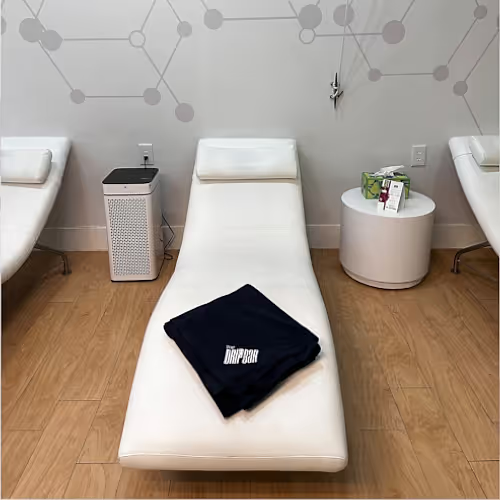
The experience is designed to be relaxing, with plush seating and attentive care from our team. You can expect the session to last about 45 to 60 minutes, depending on your needs and comfort. Many guests report feeling more refreshed and steady within hours, especially if dehydration was a major factor. Our staff will provide aftercare tips to help you maintain hydration and support your ongoing recovery.
It is normal to feel the need to urinate soon after your session, as your body processes the extra fluids. Some people experience a mild chill or coolness during the infusion, which is temporary. If you have any concerns or unusual symptoms, our team is always available to assist. Your comfort and safety are our top priorities.
IV Hydration After Illness
IV hydration after illness is most effective when your acute symptoms have improved. This means no ongoing vomiting or severe diarrhea. It is best to schedule your session when you are stable and able to tolerate some oral fluids.
If you are unsure about timing, our team can help you decide when IV hydration might be appropriate. We recommend eating a light meal before your visit to reduce the risk of lightheadedness. Steady hydration in the days following your session will help you maintain the benefits. Listen to your body and rest as needed for optimal recovery.
Electrolyte Balance and Energy Support
Electrolyte balance is crucial for muscle function, nerve signaling, and circulation stability. When you are depleted, supporting these minerals can help you feel steadier and less fatigued. Energy support from IV hydration comes mainly from correcting dehydration-driven fatigue. True energy recovery also depends on nutrition, sleep, and gradual return to activity. Our approach emphasizes a holistic routine for best results.
We avoid the “instant fix” narrative and instead focus on responsible education. IV hydration may help support your comfort, but it is not a substitute for rest, food, or medical care. Results vary from person to person, and ongoing wellness depends on daily habits. Our team is here to guide you through safe, effective recovery strategies. If you have questions about add-ons like vitamin C or B vitamins, we can discuss options that fit your needs.
Many guests choose to pair their hydration session with targeted nutrients for added support. Options like magnesium, zinc, or glutathione are available based on your goals and screening. Personalization is key, and we always prioritize safety and clear communication. Let us know your concerns so we can help you build a sensible recovery plan.
Post Illness Recovery Routine
A strong post illness recovery routine includes steady hydration, balanced meals, and extra rest. For the next 48 hours, sip fluids throughout the day and include electrolytes if your appetite is still low. Focus on gentle, easy-to-digest foods like soups, oatmeal, or yogurt with added protein. Prioritize sleep by going to bed earlier and limiting caffeine late in the day. Gradually return to activity as your energy improves.
If you are an athlete or active adult, ease back into workouts with light walks before resuming intense training. Listen to your body and avoid pushing too hard too soon. Consistency in hydration and nutrition will support your bounce-back. Our team can help you map out a recovery plan that fits your schedule and goals. Remember, full recovery takes time and patience.
Check in with yourself for signs of lingering dehydration, such as dry mouth, dark urine, or fatigue that worsens when you skip fluids. If you notice these patterns, consider scheduling a hydration session or adjusting your daily habits. Always seek medical advice if you experience severe or worsening symptoms. Your well-being is our priority, and we are here to support you every step of the way.
Safety and Screening for IV Hydration
We see many guests from Loveland who value our careful screening and safety protocols. Before each session, our licensed providers review your recent symptoms, medications, and medical history. This ensures that IV hydration is appropriate and safe for your situation. If you have any red flag symptoms or complex health conditions, we will recommend medical evaluation instead.
Screening protects your health and reinforces our commitment to responsible care. We ask about kidney and heart conditions, recent hospital visits, and any medications that affect fluid balance. Open communication helps us tailor your session to your needs. Our goal is to provide a supportive, comfortable experience every time.
Medication and Health Considerations
Be sure to disclose all medications, including diuretics and blood pressure drugs. This information helps us avoid complications and ensure your safety. Our team is trained to recognize when IV hydration may not be suitable.
Common side effects are minor and may include bruising at the IV site or a mild chill during the infusion. Most sessions are well tolerated, but we encourage you to speak up if you feel uncomfortable. Rare reactions can occur, so our staff monitors you closely throughout your visit. Your comfort and safety are always our top priorities.
When to Seek Medical Advice
If you experience severe symptoms like chest pain, confusion, or persistent high fever, seek medical care immediately. IV hydration is not appropriate for severe or rapidly worsening conditions. Always prioritize your safety and consult a healthcare provider when in doubt.
Our team provides clear education on when to choose IV hydration and when to seek medical advice. If you are unable to keep fluids down, have ongoing vomiting or diarrhea, or notice severe dehydration signs, medical evaluation is essential. We reinforce that IV hydration is a supportive wellness option, not a replacement for medical treatment. Your health and well-being come first. We are always available to answer your questions and guide you to the right resources.
We document all education points and confirm that screening is complete before every session. This includes reviewing expectations, aftercare, and red flag symptoms. Our approach is transparent and client-centered. We want you to feel informed and empowered in your wellness journey.
If you have questions about the process or your eligibility, our staff is happy to help. We encourage honest communication about your symptoms and health history. This partnership ensures a safe, effective experience. Our commitment to safety and education sets us apart and helps you feel confident in your care.
Personalized Recovery Support
Every recovery journey is unique, and we tailor our approach to your needs. Let us know your goals and concerns so we can recommend the best options. Your comfort and progress are our priorities.
We offer a range of add-ons and supportive therapies to complement your hydration session. Options like vitamin C, B vitamins, or magnesium can be discussed based on your preferences and screening. Personalization ensures you get the most out of your visit. Our team is here to help you build a recovery plan that fits your lifestyle.
Planning Your Recovery Visit
Before your session, eat a balanced meal and hydrate normally. Arriving well-fed helps reduce lightheadedness during the infusion. Plan for some rest afterward to support your recovery.
Many guests choose a 1 liter lactated ringers IV as a simple, hydration-forward option. This session is especially popular among those who want to address mild dehydration and electrolyte imbalance after illness. Our team can help you decide if this approach fits your needs. If you are unsure, we are happy to answer your questions and guide you through the process. The session is designed to be comfortable and supportive.
After your visit, continue steady oral hydration and include electrolytes if your appetite is still low. Focus on gentle nutrition and extra rest for the next couple of days. Gradually return to your normal activities as your energy improves. Our team is available for follow-up questions or support. Your recovery is a partnership, and we are here to help you every step of the way.
Post Illness Hydration Checklist
Use this checklist to support your recovery: Eat a balanced meal before your session. Continue drinking fluids and include electrolytes if needed. Choose easy-to-digest foods for the next two days. Prioritize sleep and avoid late caffeine. Listen to your body and adjust your routine as needed.
If you notice signs of dehydration or fatigue, consider scheduling a follow-up session. Our team can help you map out a sensible recovery plan. Your comfort and progress matter to us.
- Balanced meal first: Eat before your session to reduce lightheadedness.
- Steady fluids: Continue drinking water and include electrolytes if appetite is low.
- Gentle nutrition: Choose easy-to-digest foods for the next two days.
- Prioritize sleep: Go to bed earlier and avoid late caffeine.
- Gradual activity: Ease back into workouts and daily routines as energy returns.
Plan Your Recovery Routine
Our team is here to help you design a recovery routine that fits your schedule and goals. We can suggest a cadence for hydration sessions based on your needs and lifestyle. If you are returning to work or training, we recommend a gradual approach. Consistency in hydration, nutrition, and rest will support your bounce-back. Let us know your preferences so we can personalize your plan. We are committed to making your recovery as smooth as possible.
If you have questions about add-ons or supportive therapies, we are happy to discuss options. Personalization is key to getting the most out of your visit. Our staff will guide you through choices like vitamin C, B vitamins, or magnesium based on your goals. Your comfort and well-being are our priorities.
Ready to support your recovery? Book your session today and let us help you feel your best. We look forward to welcoming you and guiding you through a safe, effective experience.
Driving Directions From Loveland
Visit The DRIPBaR Johnstown Today
- Start in Loveland, Colorado, USA.
- Follow E 1st St toward N Denver Ave.
- Continue on N Denver Ave and merge onto E Eisenhower Blvd / E US-34 heading east toward Johnstown. (About 6.1 miles / 12 minutes)
- Turn onto Union St in Johnstown.
- Follow Union St toward Larimer Pkwy. (About 0.5 miles / 2 minutes)
- Arrive at The DRIPBaR Johnstown, 4834 Larimer Pkwy, Johnstown, CO 80534, United States.
Start Your Recovery Journey
If you are feeling depleted after illness, a hydration-focused session may help support your comfort and recovery. Our team is here to answer your questions and help you map out a plan that fits your needs and schedule. We emphasize safety, education, and a supportive environment for every guest. Book your visit today and take the next step toward feeling your best. Remember, full recovery includes steady hydration, balanced nutrition, and rest. Let us help you build a routine that supports your wellness goals. We look forward to welcoming you to The DRIPBaR Johnstown.