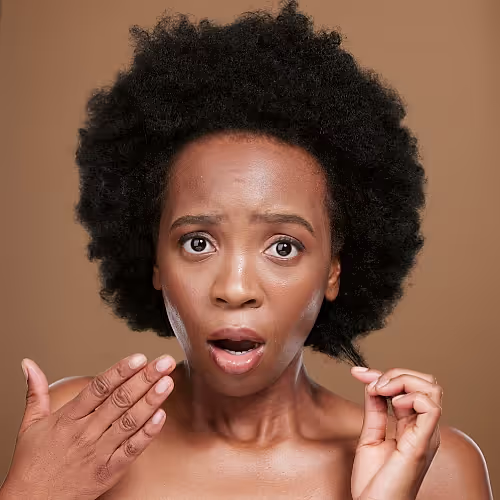

Is hair thinning getting worse?
Many people notice their hair thinning over time and wonder if it will continue to progress. Comparing different approaches can help you understand which options may fit your needs best. Knowing the steps involved in each method can make the process less overwhelming.
Support Stronger, Fuller Hair Naturally
Personalized support for hair.
Hair loss can be distressing, but targeted support may help address underlying factors like nutrient deficiencies and scalp health. At The DRIPBaR, our approach focuses on delivering hydration and essential nutrients directly to support hair follicle strength and resilience. This method aims to promote scalp circulation, reduce inflammation, and encourage healthier hair growth. Regular sessions are designed to complement your existing wellness routine and provide ongoing support.
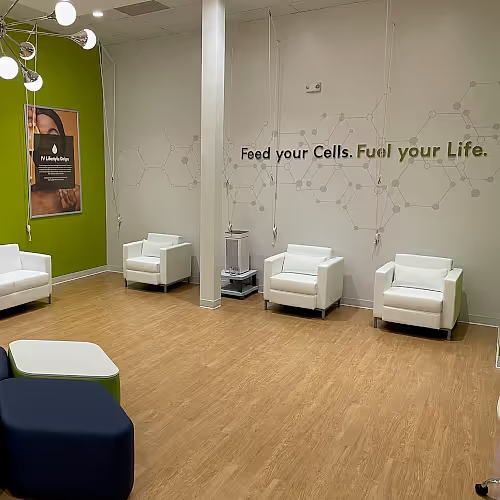
The DRIPBaR Johnstown offers a welcoming environment where you can explore options tailored to your needs. Our team works with you to create a plan that fits your goals and lifestyle. Each visit is supervised by licensed providers to ensure your comfort and safety. Book your appointment today to take the next step toward supporting your hair health.
Did you know?
Hair loss affects both men and women, with increased risk after age 30 due to genetics, hormones, and lifestyle factors.
Understanding Hair Loss and Recovery
Hair loss occurs when hair follicles become weakened or inactive, leading to thinning or shedding. This process can be influenced by genetics, hormonal shifts, poor scalp circulation, or nutrient deficiencies. Inflammation and oxidative stress also play a role in disrupting the normal hair growth cycle. Addressing these underlying mechanisms is important for supporting healthy hair.
Common triggers include stress, illness, certain medications, and changes in hormone levels such as those seen in thyroid disorders or menopause. Responsible management involves identifying contributing factors, maintaining a balanced diet, and considering supportive therapies that nourish the scalp and follicles. Early intervention and ongoing care may help encourage regrowth.
Common Symptoms of Hair Loss
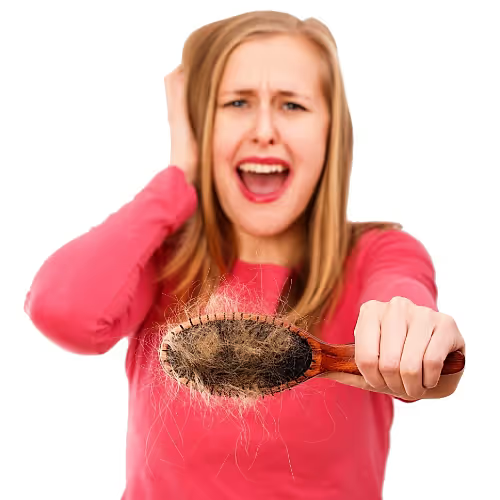
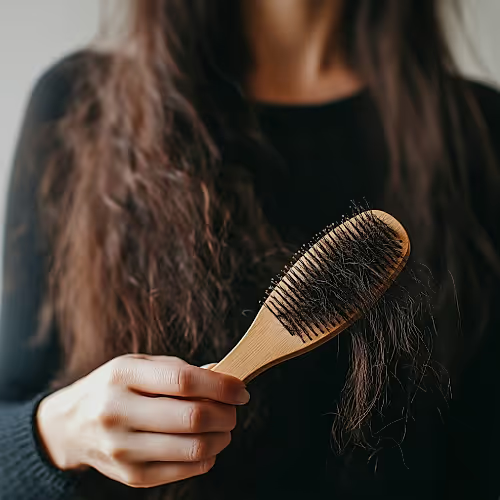
Hair loss often begins with gradual thinning on the scalp, which may be more noticeable at the crown or along the hairline. Some individuals experience increased shedding during brushing or washing, leading to visible hair on pillows or in the shower. The texture of the hair can change, becoming finer, weaker, or more brittle over time. In some cases, small bald patches or diffuse thinning across the scalp may develop.
Other symptoms can include a dry or itchy scalp, increased sensitivity, or inflammation around hair follicles. Women may notice a widening part or overall reduction in hair volume, while men often see receding hairlines or patchy loss. These changes can be gradual or sudden, depending on the underlying cause. Emotional stress and self-consciousness are also common responses to visible hair changes.
Patterns of hair loss vary, with some people experiencing temporary shedding after illness, pregnancy, or periods of high stress. Others may have persistent thinning due to genetic factors or chronic conditions. Recognizing these patterns and seeking guidance early can help identify the best approach for support and management.
Traditional Treatments
Traditional treatments for hair loss include topical medications such as minoxidil and oral prescriptions like finasteride, which are designed to slow shedding and stimulate regrowth. More advanced options, such as platelet-rich plasma (PRP) therapy or hair transplant surgery, may be considered for persistent or severe cases. These interventions target the hair follicles directly or aim to restore healthy scalp conditions. Supportive care often involves addressing underlying factors like hormonal imbalances, nutritional deficiencies, or inflammation. Lifestyle modifications, including stress management and a balanced diet, can play a role in maintaining hair health. Regular monitoring and adjustments to the care plan help ensure the chosen approach remains effective. Combining multiple strategies may offer the best results for many individuals.
How IV Therapy May Help
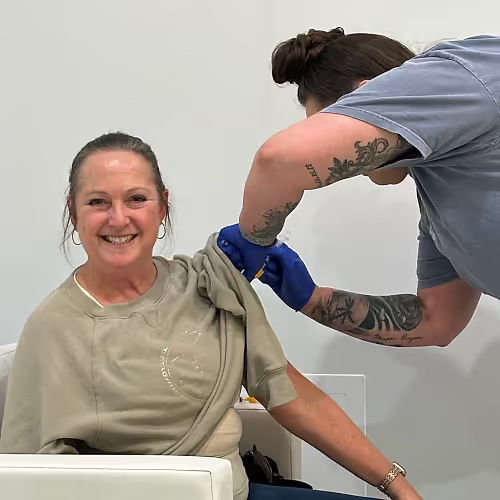
IV therapy at The DRIPBaR delivers targeted hydration and nutrients directly into the bloodstream, supporting the scalp and hair follicles at a cellular level. This approach allows for consistent dosing of vitamins, minerals, and antioxidants that may be difficult to obtain in sufficient amounts from diet alone. By focusing on hydration, circulation, and inflammation reduction, these therapies aim to create a healthier environment for hair growth and resilience. Licensed providers oversee each session to ensure safety and comfort throughout the process. Clients benefit from a personalized plan that addresses their unique needs and goals, whether they are experiencing early thinning or seeking to maintain hair strength. Integrative support can complement traditional treatments and may help improve hair texture, density, and shine over time. Ongoing care and regular sessions provide opportunities to monitor progress and adjust as needed. This balanced approach supports both immediate and long-term hair health.
Nutrient Support for Hair Wellness
Certain offerings provide hydration, antioxidants, and essential nutrients that help create a supportive environment for hair growth. These therapies aim to nourish the scalp, reduce inflammation, and promote stronger, healthier hair. Regular sessions can complement other hair care strategies.
Firm
Firm delivers a blend of essential nutrients directly into the bloodstream to support skin, hair, and nail health. Key ingredients like Ascorbic Acid and Biotin promote collagen and keratin production, which are vital for tissue repair and strength. This infusion helps improve skin hydration and elasticity while supporting hair follicle health and nail integrity. It also includes B-Complex vitamins that aid cellular repair and neurological function. Suitable for adults seeking a wellness-based approach to beauty, Firm complements topical care with internal nourishment. Regular use may enhance overall appearance and resilience to environmental stressors.
Glutathione
Glutathione
Glutathione is a critical antioxidant that helps neutralize free radicals and supports the body’s detoxification processes. Delivered intravenously, this therapy bypasses digestive barriers for immediate absorption and effectiveness. It aids in reducing oxidative stress, promoting immune resilience, and supporting skin and tissue repair. Regular support with glutathione can contribute to improved energy levels and overall wellness. This infusion is designed for those seeking proactive, science-based approaches to maintain their health and vitality.
Such a great experience! can’t wait to come back
Very clean, very nice staff. Enjoyed the experience
Ready to Get Started?
Feel your best with a treatment designed to support your goals! Whether you’re looking for hydration, energy, immune support, recovery, or overall wellness, our team will help you choose the right option and make sure your experience is comfortable from start to finish. Click the Book Appointment button below to pick your reserve a time that fits your schedule.