
Are memory changes disrupting daily life?
Memory lapses and confusion can make everyday activities feel overwhelming. These changes may progress gradually, affecting independence and relationships. Finding effective support can help maintain quality of life.
Support Cognitive Health and Clarity
Personalized brain health support.
The DRIPBaR offers tailored IV therapies designed to provide nutrients that may help support brain function and cognitive clarity. These therapies focus on delivering antioxidants and essential vitamins directly to the bloodstream, potentially reducing oxidative stress and supporting cellular health. Many clients seek these services to help manage symptoms like brain fog, fatigue, and mild memory changes. While not a cure, consistent support can contribute to overall wellness and quality of life.
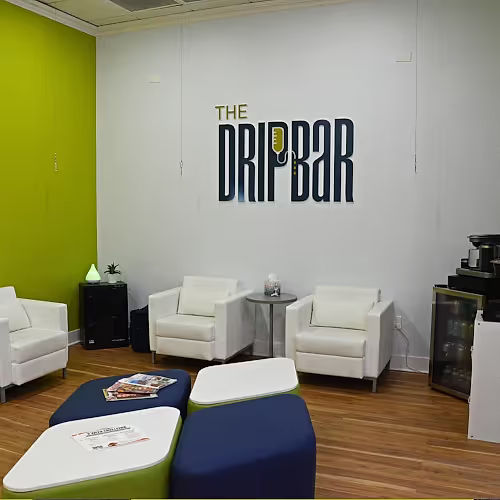
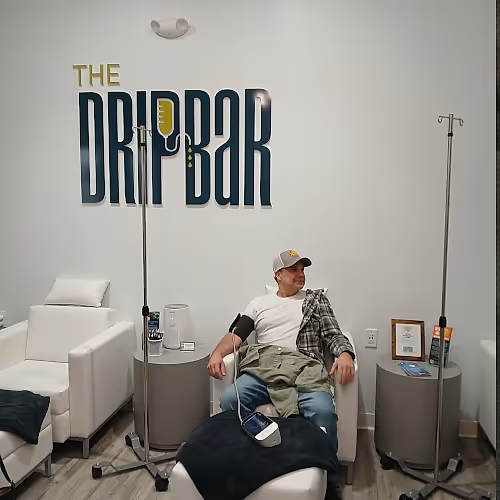
At The DRIPBaR Johnstown, our team works with you to identify supportive options that fit your needs and wellness goals. Each session is administered by licensed providers in a comfortable, supervised setting. If you or a loved one are interested in exploring IV therapy for cognitive support, we invite you to schedule an appointment today.
Did you know?
Alzheimer’s is the most common cause of dementia, accounting for up to 80% of cases in older adults.
Understanding Alzheimer's & Dementia
Alzheimer’s & Dementia are progressive neurological disorders that lead to memory loss, confusion, and changes in behavior. These conditions are marked by the buildup of abnormal proteins in the brain, which disrupt communication between nerve cells and eventually cause brain tissue to shrink. Over time, individuals may experience increasing difficulty with daily tasks, language, and decision-making. Early symptoms can be subtle, but they often worsen as the condition advances.
Common triggers include aging, genetic factors, cardiovascular health, and chronic inflammation. While there is no cure, management focuses on slowing progression and improving quality of life through medications, lifestyle changes, and supportive therapies. Nutritional support, such as B-complex vitamins, may help maintain nerve cell health. Proactive care and early intervention can make a meaningful difference.
Symptoms of Alzheimer's & Dementia
Alzheimer’s & Dementia often begin with mild forgetfulness, such as misplacing items or struggling to recall recent events. As the condition progresses, individuals may have trouble finding words, following conversations, or solving problems. These early symptoms can be mistaken for normal aging, but they tend to worsen over time.
Later stages bring more pronounced memory loss, confusion about time or place, and difficulty recognizing familiar people. Changes in mood, personality, and judgment are also common, sometimes leading to agitation or withdrawal. Everyday tasks like managing finances or preparing meals may become challenging.
Physical symptoms may include changes in movement, sleep disturbances, and increased vulnerability to infections. Some people experience hallucinations or delusions. As independence declines, ongoing support and care become essential for safety and well-being.
Traditional Treatments
Conventional care for Alzheimer's & Dementia focuses on managing symptoms and maintaining quality of life. Medications such as cholinesterase inhibitors and memantine are commonly prescribed to help with memory and thinking. Behavioral therapies and environmental adjustments can support independence and reduce agitation. Lifestyle interventions, including regular exercise, a brain-healthy diet, and social engagement, are encouraged to promote cognitive function. Supportive care addresses sleep issues, depression, and anxiety, while also providing resources for caregivers. Early intervention and a comprehensive care plan can help improve daily functioning. Regular monitoring and adapting strategies as needs change are important for ongoing management. There is currently no simple answer, but a combination of medical and supportive therapies offers the best approach.
How IV Therapy May Help
IV nutrient therapy at The DRIPBaR is designed to deliver targeted vitamins, minerals, and antioxidants directly into the bloodstream, supporting brain health and cellular resilience. This approach may help reduce oxidative stress, promote mitochondrial function, and provide hydration, all of which are important for cognitive wellness. Sessions are administered by licensed providers in a comfortable, supervised environment. Many clients appreciate the convenience and individualized attention provided during each visit. While IV therapy is not a replacement for medical treatment, it can complement existing care plans by addressing nutritional gaps and supporting overall wellness. The DRIPBaR’s services are tailored to individual needs and may be especially helpful for those seeking proactive strategies to manage memory changes or brain fog. Consistent support and a holistic approach can make a meaningful difference in daily life. If you are interested in learning more, our team is ready to help you explore your options.
Nutritional Support for Brain Health
Certain IV therapies offer targeted nutrients that may help support cognitive clarity and brain function. These services focus on delivering antioxidants and vitamins to promote neurological wellness. Regular sessions can complement your overall care plan.
Hyperbaric Chambers
Hyperbaric Chambers use pressurized oxygen to increase the amount of oxygen dissolved in blood plasma, which supports faster tissue repair and reduces inflammation. This therapy enhances cellular energy production and helps balance immune function. Sessions typically last between 60 and 90 minutes and are conducted under professional supervision. Clients often experience relaxation and improved mental clarity after treatment. Benefits may accumulate with repeated sessions as part of a wellness routine. This approach complements other therapies aimed at recovery and vitality.
Read moreNAD+
Nicotinamide Adenine Dinucleotide (NAD) is a crucial coenzyme involved in energy production and DNA repair within cells. This intravenous therapy delivers NAD+ directly to support mitochondrial function and enhance cellular resilience. By bypassing digestive limitations, it offers faster absorption and targeted metabolic support. The treatment may help improve mental clarity, reduce fatigue, and support overall vitality. It is designed for individuals seeking proactive wellness and cognitive enhancement. NAD+ levels naturally decline with age and stress, making replenishment important for maintaining health. This therapy provides a science-based approach to support long-term cellular function.
Such a great experience! can’t wait to come back
Very clean, very nice staff. Enjoyed the experience
Read more
Ready to Get Started?
Feel your best with a treatment designed to support your goals! Whether you’re looking for hydration, energy, immune support, recovery, or overall wellness, our team will help you choose the right option and make sure your experience is comfortable from start to finish. Click the Book Appointment button below to pick your reserve a time that fits your schedule.
What nutritional approaches may benefit Alzheimer's & Dementia?
Nutritional support with antioxidants, B-complex vitamins, and magnesium may help maintain brain health. These nutrients can support energy metabolism and reduce oxidative stress. A balanced diet and targeted supplementation are often recommended. Consult your healthcare provider for personalized advice.