
Are flare-ups disrupting your life?
Living with unpredictable flare-ups, fatigue, and pain can make daily routines challenging. Many people struggle to find consistent relief and support for their symptoms. Understanding your options can help you manage these ups and downs more effectively.
Support for Immune Balance and Energy
Targeted wellness support.
Managing autoimmune symptoms often means addressing fatigue, inflammation, and unpredictable flare cycles. The DRIPBaR offers IV therapies designed to deliver hydration and nutrients directly to your system, supporting immune balance and energy. These treatments can help reduce oxidative stress, promote tissue repair, and provide relief during periods of increased symptoms. Many clients find this approach complements their existing care and helps them feel more resilient.
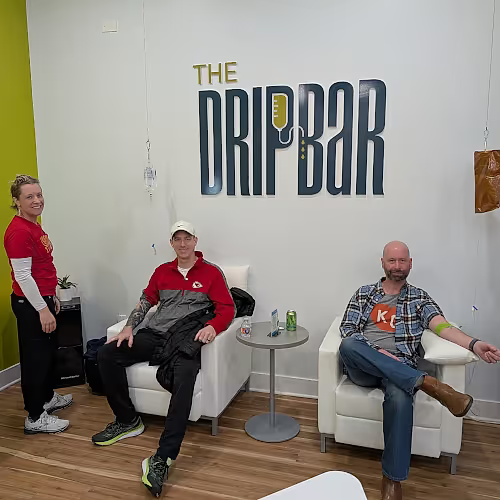
At The DRIPBaR Johnstown, our team works with you to tailor IV therapy to your needs, focusing on comfort and safety. Sessions are supervised by licensed providers and are designed to fit into your wellness routine. If you are ready to explore supportive care for autoimmune challenges, book your appointment today.
Did you know?
Autoimmune conditions are more common in women and often begin between ages 20 and 50.
Understanding Autoimmune Conditions
Autoimmune conditions develop when the immune system mistakenly targets the body’s own tissues, leading to chronic inflammation and tissue damage. This can affect various organs and systems, resulting in symptoms like joint pain, fatigue, and skin changes. The underlying causes are complex, involving genetic, environmental, and lifestyle factors. Over time, persistent immune activity can create cycles of flare-ups and remissions, making management challenging.
Common triggers include infections, stress, and imbalances in the gut microbiome. While conventional treatments focus on suppressing immune activity, supportive care can help address nutrient depletion and oxidative stress. A balanced approach often combines medical management with lifestyle changes and integrative therapies. Early recognition and ongoing support are key to improving quality of life.
Symptoms of Autoimmune Conditions
Fatigue is one of the most common symptoms, often making even simple tasks feel overwhelming. Many people also experience joint pain, muscle aches, and stiffness that can limit mobility and daily activities. Flare-ups may bring on skin rashes, digestive discomfort, or swelling, with symptoms varying widely from person to person.
Some individuals notice their symptoms worsen with stress, infections, or changes in routine. Others may have periods of remission where symptoms improve, followed by sudden increases in discomfort. This unpredictability can make planning and maintaining routines difficult.
Over time, chronic inflammation may affect multiple systems, leading to issues like brain fog, sleep disturbances, or changes in mood. Early intervention and ongoing support can help manage these symptoms and reduce their impact on daily life.
Traditional Treatments
While many expect a quick fix, managing autoimmune conditions usually requires a long-term, multifaceted approach. Standard treatments often include medications such as corticosteroids, immunomodulators, or biologics to control inflammation and suppress immune activity. These therapies can help reduce symptom severity and help avoid flare-ups, but may also carry side effects and require regular monitoring. Lifestyle adjustments, including stress management and dietary changes, are often recommended to support overall health. Some individuals explore complementary therapies to address fatigue, nutrient depletion, or oxidative stress. Integrative care may involve physical therapy, counseling, or nutritional support. It is important to work closely with healthcare providers to ensure all treatments are coordinated and safe. Regular follow-up helps track progress and adjust care as needed.
How IV Therapy May Help
Many expect symptom relief to come solely from medication, but supportive therapies can play a valuable role. IV infusions at The DRIPBaR provide hydration and targeted nutrients that may help reduce inflammation, support tissue repair, and promote overall wellness. By delivering vitamins, minerals, and antioxidants directly into the bloodstream, these therapies bypass digestive barriers and offer controlled dosing under the supervision of licensed providers. This approach can be especially helpful during periods of increased fatigue or flare-ups. Imagine someone managing unpredictable joint pain and low energy who wants to feel more resilient day to day. IV therapy can be tailored to support immune balance, replenish depleted nutrients, and help the body recover from stress. While not a replacement for medical treatment, these services may complement your care plan and help you pursue your wellness goals. Each session is designed with your comfort and safety in mind.
Nutrient Support for Immune Balance
Certain IV therapies deliver hydration and nutrients that help support immune function and reduce inflammation. These offerings are designed to complement your care plan and promote recovery. Many clients find them helpful for managing fatigue and flare cycles.
Glutathione
Glutathione
Glutathione is a critical antioxidant that helps neutralize free radicals and supports the body’s detoxification processes. Delivered intravenously, this therapy bypasses digestive barriers for immediate absorption and effectiveness. It aids in reducing oxidative stress, promoting immune resilience, and supporting skin and tissue repair. Regular support with glutathione can contribute to improved energy levels and overall wellness. This infusion is designed for those seeking proactive, science-based approaches to maintain their health and vitality.
Restoration
Restoration delivers hydration and key nutrients directly into the bloodstream to support cellular energy and immune function. Ingredients such as Magnesium, Calcium, and Vitamin C help replenish electrolytes and antioxidants. This infusion aids in reducing fatigue and promoting muscle relaxation. It is designed for those seeking to improve overall wellness and recovery. Restoration supports mental clarity and physical balance through targeted nutrient replenishment.
Read moreShield
Shield provides a targeted blend of nutrients delivered intravenously to support immune system strength and cellular repair. It includes antioxidants and vitamins that help reduce oxidative stress and promote tissue repair. This infusion is designed for individuals seeking to enhance their resilience and recover from physical or immune challenges. The direct delivery method ensures rapid nutrient absorption and effective support. It is suitable for a wide range of wellness needs and recovery goals.
Read moreThe Debut
The Debut is a balanced intravenous infusion that provides essential hydration and nutrients such as Vitamin C, Magnesium, and Zinc. It supports cellular energy production, immune defenses, and cognitive function. This therapy bypasses the digestive system for rapid absorption and effectiveness. It is suitable for individuals new to IV therapy or those seeking a general wellness boost. The infusion promotes resilience against daily stress and helps restore vitality. It offers a gentle, effective way to support overall health and recovery.
Such a great experience! can’t wait to come back
Very clean, very nice staff. Enjoyed the experience
Read more
Ready to Get Started?
Feel your best with a treatment designed to support your goals! Whether you’re looking for hydration, energy, immune support, recovery, or overall wellness, our team will help you choose the right option and make sure your experience is comfortable from start to finish. Click the Book Appointment button below to pick your reserve a time that fits your schedule.