
Are flare-ups disrupting your routine?
Sudden joint pain and swelling can make daily activities difficult. Gout often returns, affecting mobility and comfort. Managing symptoms consistently is key to maintaining your lifestyle.
Relief for Recurring Joint Discomfort
Support for joint wellness.
Managing gout requires more than just addressing pain during flare-ups. The DRIPBaR offers supportive therapies that focus on reducing inflammation, easing joint stiffness, and promoting overall recovery. Our approach combines hydration, targeted nutrients, and wellness services to help you regain comfort and mobility. Consistent care may help reduce the frequency and severity of symptoms over time.
At The DRIPBaR Johnstown, you can access integrative options that complement your existing gout management plan. Our team is ready to help you explore therapies that fit your needs and support your long-term joint health. Book your appointment today to take the next step toward greater comfort and mobility.
Did you know?
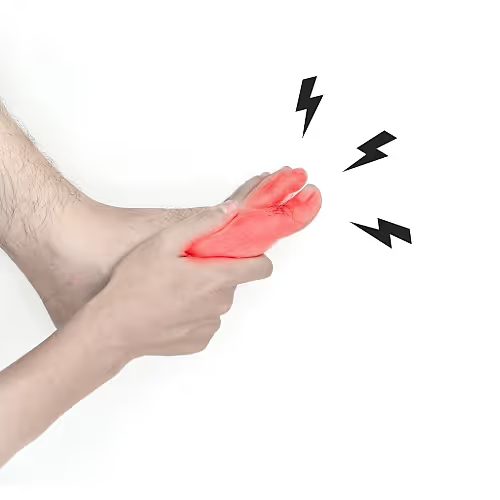
Gout most commonly affects the big toe but can also impact other joints like the ankles, knees, and wrists.
Understanding Gout and Its Effects
Imagine waking up to sudden, severe pain in your big toe or ankle. Gout is a form of arthritis caused by excess uric acid in the bloodstream, leading to sharp urate crystals forming in joints. This process triggers intense inflammation, resulting in pain, swelling, and limited movement. While the big toe is often affected, gout can also impact other joints such as the knees, wrists, and elbows.
Common triggers include diets high in purines, dehydration, obesity, kidney issues, and certain medications. Managing gout involves both addressing acute flare-ups and making lifestyle adjustments to help avoid recurrences. Staying hydrated, maintaining a balanced diet, and following a consistent wellness plan can help reduce the risk of future attacks. Early intervention and ongoing support are important for long-term joint health.
Common Symptoms of Gout
When does gout usually make itself known? Most people first notice a sudden, sharp pain in a joint, often at night or early morning. The affected area quickly becomes swollen, red, and warm to the touch. This intense discomfort can make even gentle movement difficult.
As the flare continues, stiffness and tenderness may linger for days or even weeks. The pain can spread to other joints, such as the ankles, knees, or fingers, especially if gout is not managed effectively. Some individuals experience repeated episodes, with symptoms returning in the same or different joints.
Between flare-ups, joints may feel normal or slightly stiff, but chronic gout can lead to ongoing discomfort and reduced mobility. Over time, untreated gout may cause joint deformities or the development of hard urate deposits under the skin. Early recognition and consistent management are essential to minimize long-term effects.
Traditional Treatments
Many expect gout to resolve quickly with medication, but effective management often requires a combination of strategies. Standard treatments include anti-inflammatory medications, pain relievers, and drugs that lower uric acid levels. These approaches help control symptoms during flare-ups and reduce the risk of future attacks. Lifestyle modifications play a crucial role in long-term care. Staying hydrated, maintaining a healthy weight, and following a low-purine diet can help manage uric acid levels. Regular monitoring and working closely with healthcare providers support ongoing joint health and minimize complications.
How IV Therapy May Help
While traditional treatments focus on immediate symptom relief, supportive therapies can offer additional benefits for joint comfort and recovery. IV therapy delivers hydration and targeted nutrients directly into the bloodstream, helping to reduce inflammation and support tissue repair. These services are designed to complement your existing care plan and may improve overall well-being when used consistently. Integrative wellness options at The DRIPBaR focus on easing discomfort, promoting circulation, and supporting the body's natural recovery processes. Regular sessions can help maintain joint mobility and resilience, especially between flare-ups. Our approach emphasizes safety, comfort, and personalized care to help you manage symptoms and support long-term joint health.
Targeted Support for Joint Recovery
Specialized wellness offerings can help reduce inflammation, ease muscle tension, and support joint recovery. These therapies focus on hydration, circulation, and nutrient delivery. Consistent use may promote comfort and aid in recovery after flare-ups.
Soother
Soother is a restorative intravenous infusion that delivers key nutrients like Magnesium, Calcium, and Taurine directly into the bloodstream. This approach supports muscle relaxation, mental balance, and improved sleep quality. The infusion bypasses digestive limitations for faster nutrient absorption. It is designed for individuals seeking relief from stress, tension, and fatigue. The formula promotes mental clarity and physical recovery. This treatment offers a gentle way to restore balance and resilience. It fits well within a proactive wellness routine.
Such a great experience! can’t wait to come back
Very clean, very nice staff. Enjoyed the experience
Ready to Get Started?
Feel your best with a treatment designed to support your goals! Whether you’re looking for hydration, energy, immune support, recovery, or overall wellness, our team will help you choose the right option and make sure your experience is comfortable from start to finish. Click the Book Appointment button below to pick your reserve a time that fits your schedule.