
Struggling with ongoing bladder pain?
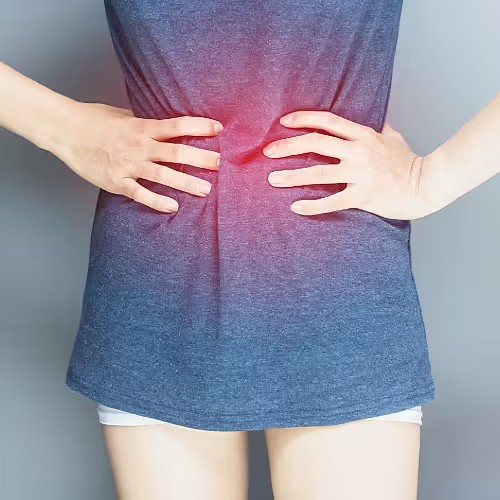
Interstitial cystitis often causes persistent pelvic discomfort and urinary urgency, making daily routines challenging. Symptoms can fluctuate, leading to unpredictable flare-ups that disrupt work, rest, and relationships. Tracking symptom patterns over time may help identify triggers and support better management.
Find Relief and Restore Comfort Naturally
Gentle support for bladder health.
Many people with interstitial cystitis seek ways to reduce discomfort and improve quality of life. The DRIPBaR offers targeted therapies designed to help calm inflammation, support tissue repair, and ease pelvic tension. These approaches may complement existing care plans by delivering nutrients that support recovery and resilience. Clients often notice gradual improvements in comfort and daily function with consistent support.
At The DRIPBaR Johnstown, clients can access therapies tailored to their unique needs and symptom patterns. Our team works with you to help identify supportive options and track progress over time. Each session is overseen by licensed providers to ensure safety and comfort. Book your appointment today to explore gentle, holistic support for bladder wellness.
Did you know?
Interstitial cystitis affects more women than men and is often identified between ages 30 and 50.
Understanding Interstitial Cystitis
Interstitial cystitis, also called painful bladder syndrome, is a chronic condition marked by bladder pain, pressure, and frequent urges to urinate. The cause is not fully understood, but factors may include defects in the bladder lining, immune system activity, nerve sensitivity, and pelvic floor dysfunction. These mechanisms can lead to ongoing discomfort and a significant impact on daily life. Many people experience symptoms that range from mild to severe and may fluctuate over time.
Common triggers for flare-ups include certain foods or beverages, stress, hormonal changes, and physical activity. Because antibiotics are not effective, management focuses on symptom relief and improving quality of life. Approaches often include dietary changes, pelvic floor therapy, and supportive treatments to reduce inflammation and support recovery. Tracking symptoms and working with a knowledgeable licensed provider can help individuals find strategies that work for them.
Symptoms of Interstitial Cystitis
Interstitial cystitis often presents with persistent pelvic pain, a sense of bladder pressure, and frequent urges to urinate. Many people notice that symptoms can worsen at certain times, such as after eating specific foods or during periods of stress. Pain during sexual activity and a constant feeling of bladder fullness are also common. These symptoms can disrupt daily routines and make it difficult to rest or concentrate.
Flare-ups may occur unpredictably, sometimes triggered by dietary choices, hormonal shifts, or physical exertion. The severity of discomfort can range from mild to intense, and some individuals experience cycles of improvement and relapse. Tracking symptom patterns can help identify personal triggers and guide management strategies. Over time, people may develop coping techniques to minimize the impact of symptoms on their lives.
In addition to pain and urgency, some individuals report increased sensitivity in the pelvic region and difficulty with certain activities. Emotional stress can further intensify symptoms, creating a cycle of discomfort and anxiety. Support from healthcare providers and consistent self-care routines are important for managing the condition. By understanding symptom patterns, individuals can work toward greater comfort and improved quality of life.
Traditional Treatments
Traditional management of interstitial cystitis focuses on relieving symptoms and improving daily function. Common approaches include dietary modifications to avoid trigger foods, bladder training, and pelvic floor physical therapy. Oral medications may be prescribed to help reduce pain, inflammation, or urinary urgency. In some cases, bladder instillation therapies are used to deliver soothing solutions directly to the bladder. Supportive therapies such as stress-reduction techniques and gentle exercise can also play a role in symptom management. Since antibiotics are not effective for this non-infectious condition, care plans are tailored to individual needs and symptom patterns. Regular follow-up with a knowledgeable licensed provider helps monitor progress and adjust strategies as needed. Combining multiple approaches may offer the best chance for sustained relief and improved quality of life.
How IV Therapy May Help
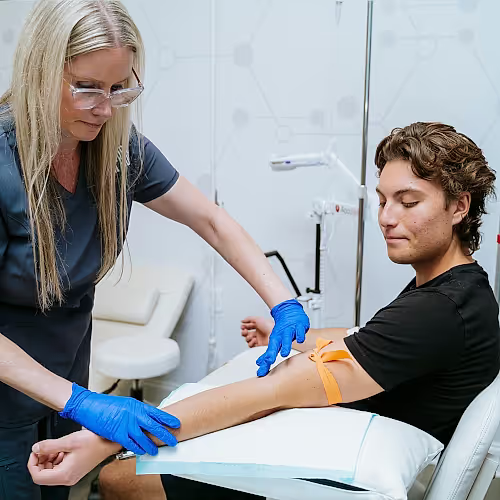
IV nutrient therapy at The DRIPBaR delivers targeted hydration, vitamins, and minerals directly into the bloodstream, supporting tissue repair and immune balance. This approach may help reduce inflammation, ease pelvic muscle tension, and promote relaxation for those experiencing chronic bladder discomfort. By bypassing the digestive system, these therapies provide efficient absorption and can complement other management strategies. Licensed providers oversee each session, ensuring a safe and comfortable experience tailored to individual needs. Clients often find that regular sessions support their overall wellness and help manage the ups and downs of chronic symptoms. The DRIPBaR’s offerings are designed to work alongside traditional care, providing an additional layer of support for bladder health. Tracking improvements over time can help individuals identify what works best for them. Our goal is to empower clients with gentle, holistic options that fit their lifestyle and wellness goals.
Supportive Therapies for Bladder Wellness
Specialized therapies can help reduce pelvic discomfort and support tissue repair. These offerings are designed to promote relaxation and ease inflammation. Regular sessions may help maintain comfort and improve daily function.
Soother
Soother is a restorative intravenous infusion that delivers key nutrients like Magnesium, Calcium, and Taurine directly into the bloodstream. This approach supports muscle relaxation, mental balance, and improved sleep quality. The infusion bypasses digestive limitations for faster nutrient absorption. It is designed for individuals seeking relief from stress, tension, and fatigue. The formula promotes mental clarity and physical recovery. This treatment offers a gentle way to restore balance and resilience. It fits well within a proactive wellness routine.
Such a great experience! can’t wait to come back
Very clean, very nice staff. Enjoyed the experience
Ready to Get Started?
Feel your best with a treatment designed to support your goals! Whether you’re looking for hydration, energy, immune support, recovery, or overall wellness, our team will help you choose the right option and make sure your experience is comfortable from start to finish. Click the Book Appointment button below to pick your reserve a time that fits your schedule.