
Struggling to recover after exercise?
Intense physical activity can leave muscles depleted and energy levels low. Many people find that soreness and fatigue linger longer than expected. Adjusting your recovery approach may help you return to your routine more comfortably.
Support Recovery and Reduced Fatigue
Targeted support for recovery.
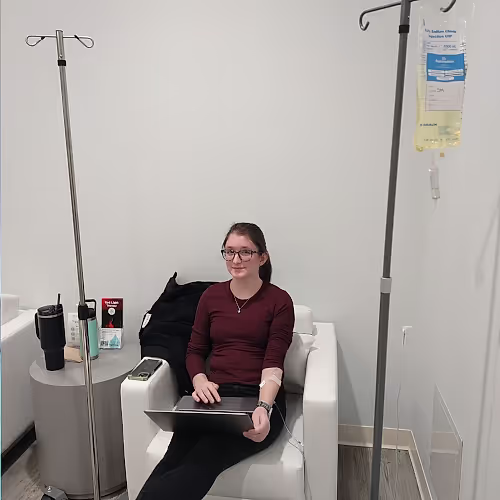
After exercise, the body needs to restore fluids, electrolytes, and essential nutrients to repair muscle tissue and reduce soreness. IV therapy offers a direct way to deliver hydration and nutrients, helping support recovery and improved energy. This approach can complement traditional recovery methods, offering an option for those seeking additional support. Many find that targeted nutrient delivery helps them feel ready for their next workout sooner.
The DRIPBaR Johnstown provides specialized IV therapies designed to address post-workout needs. Our team tailors each session to your activity level and recovery goals, offering a safe and comfortable environment. Whether you are an athlete or simply enjoy an active lifestyle, our services can help you bounce back. Book your appointment today to support your recovery process.
Did you know?
Muscle recovery is most effective when hydration and nutrient replenishment begin within an hour after exercise.
Understanding Post-Workout Recovery
Traditional recovery methods like rest, hydration, and nutrition help the body repair muscle tissue and restore energy after exercise. IV therapy provides an alternative by delivering fluids and nutrients directly into the bloodstream, which may accelerate absorption and support tissue repair. The body’s recovery process involves replenishing lost electrolytes, repairing microscopic muscle damage, and reducing inflammation. Addressing these needs promptly can help reduce soreness and support a quicker return to activity.
Common triggers for delayed recovery include inadequate hydration, insufficient nutrient intake, and high-intensity or prolonged workouts. Managing these factors through a balanced approach that includes rest, proper nutrition, and supportive therapies can help optimize recovery. Listening to your body and adjusting your routine as needed is important for long-term progress. Integrating advanced recovery options may offer additional support for those with demanding activity levels.
Symptoms of Delayed Recovery
Muscle soreness is a frequent symptom after strenuous exercise, often peaking within 24 to 48 hours. This discomfort can range from mild stiffness to more pronounced aches, sometimes limiting movement. Fatigue is also common, as the body uses up energy stores during intense activity. Some individuals notice a temporary decrease in strength or endurance following challenging workouts.
Dehydration can occur when fluids lost through sweat are not adequately replaced, leading to symptoms such as dry mouth, headache, or dizziness. Electrolyte imbalances may contribute to muscle cramps or feelings of weakness. Inflammation and oxidative stress can also increase after exercise, potentially prolonging recovery time. These symptoms may be more noticeable after new or particularly intense routines.
For some, recovery is delayed by factors like inadequate rest, poor nutrition, or overtraining. Persistent soreness or fatigue may signal the need for a modified approach. Monitoring how your body responds to different activities can help guide adjustments to your recovery plan. Seeking targeted support may help reduce downtime and support ongoing progress.
Traditional Treatments
Standard post-workout recovery strategies include hydration, balanced nutrition, rest, and gentle movement. These approaches help the body repair muscle tissue, replenish energy stores, and restore fluid balance. Stretching and active recovery can also support flexibility and circulation. Many people find that combining these methods helps manage soreness and fatigue. Some individuals seek additional support through therapies like massage, compression, or nutrient supplementation. IV therapy is an option that delivers fluids and nutrients directly into the bloodstream, potentially accelerating recovery. While these approaches can complement traditional methods, they are not substitutes for adequate rest and nutrition. A personalized recovery plan that considers your activity level and goals is often most effective.
How IV Therapy May Help
IV therapy at The DRIPBaR is designed to deliver hydration, electrolytes, and targeted nutrients directly into the bloodstream, supporting the body's natural recovery process. This approach allows for rapid absorption, which may help reduce muscle soreness, support tissue repair, and restore energy levels after physical activity. By providing a carefully balanced blend of vitamins, minerals, and antioxidants, our services can complement your existing recovery routine. Licensed providers oversee each session to ensure safety and comfort throughout the experience. Clients often choose IV therapy as part of a broader strategy to optimize their post-workout recovery. This method can be especially helpful for those with demanding training schedules or active lifestyles who want to minimize downtime. While IV therapy is not a replacement for rest or nutrition, it offers a supportive option for those seeking to enhance their recovery. Our team works with you to tailor each session to your needs and goals.
Specialized Support for Active Recovery
Our offerings provide hydration, nutrient replenishment, and circulation support to help ease muscle soreness and fatigue after exercise. These services are designed to complement your recovery routine. Many clients find they feel more refreshed and ready for their next activity.
100% Hydration
Lactated Ringers
100% Hydration uses an intravenous solution to rapidly restore fluid and electrolyte balance. Lactated Ringers provide essential minerals that support nerve and muscle function. This therapy bypasses the digestive system for faster absorption and helps improve energy levels and physical recovery. It supports cardiovascular health by optimizing blood volume and circulation. Suitable for those seeking enhanced hydration and wellness support, this treatment offers a practical approach to maintaining balance and resilience.
Read morePowerpack
Powerpack provides a targeted blend of vitamins, minerals, and amino acids to support physical and cognitive performance. This infusion delivers nutrients such as Ascorbic Acid, Magnesium, and L-Carnitine directly into the bloodstream for rapid absorption. It helps reduce fatigue, enhance muscle recovery, and improve mental focus. Suitable for active individuals and those needing nutritional replenishment, this therapy supports overall wellness and stamina. The formula is designed to aid energy production and immune resilience. Regular use may contribute to sustained vitality and improved recovery times.
Read moreVitality
Vitality provides a targeted blend of nutrients to help restore physical energy and improve mental focus. It supports muscle repair and circulatory health through ingredients like Magnesium and B-Complex vitamins. Delivered intravenously, this therapy bypasses digestive limitations for rapid nutrient absorption. It is suitable for those with active lifestyles or recovering from fatigue. Vitality aims to enhance overall stamina and cognitive performance. This infusion offers a balanced approach to wellness and recovery. Many clients seek it to support sustained energy and resilience.
Such a great experience! can’t wait to come back
Very clean, very nice staff. Enjoyed the experience
Read more
Ready to Get Started?
Feel your best with a treatment designed to support your goals! Whether you’re looking for hydration, energy, immune support, recovery, or overall wellness, our team will help you choose the right option and make sure your experience is comfortable from start to finish. Click the Book Appointment button below to pick your reserve a time that fits your schedule.